



Minneapolis' Metro Transit opens new light rail system
The Green Line is an 11-mile light-rail line connecting downtown Minneapolis, the University of Minnesota and downtown St. Paul.

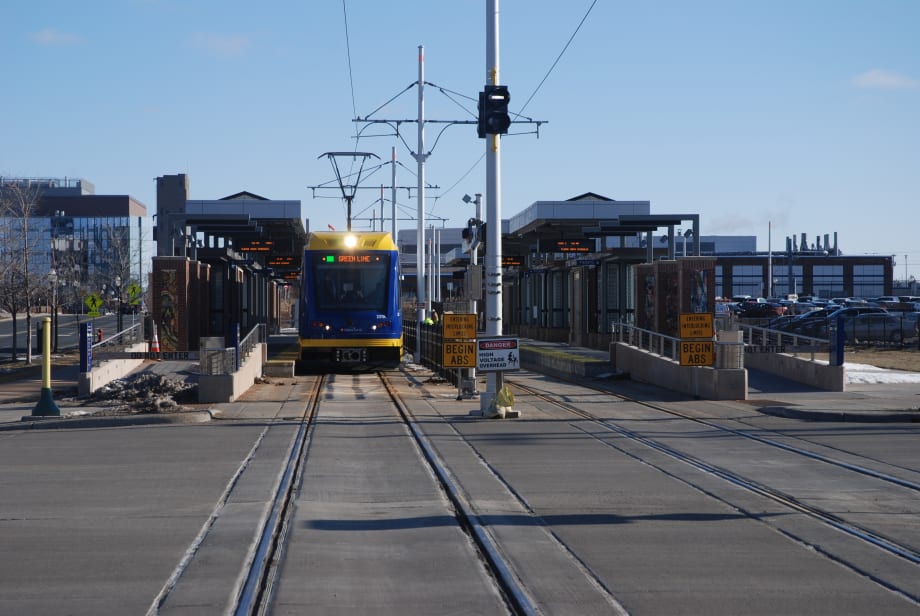
Photo courtesy Metro Transit

Minneapolis/St. Paul-based Metro Transit opened its second light rail line, the METRO Green Line, formerly called the Central Corridor, on Saturday. The line, which was delivered by the Metropolitan Council on time and on budget, is the largest completed public works project in Minnesota history at a total cost of $957 million.
The construction of the METRO Green Line employed 5,500 people and created 200 permanent new operations jobs. Construction spurred more than $2.5 billion in development along the line.
“With more than 3.2 million residents in the Minneapolis-Saint Paul area and thousands more expected in the coming decades, expanding transportation choices is critical to the region’s success," said U.S. Department of Transportation Acting Under Secretary of Transportation for Policy Peter Rogoff. "Projects like the new Green Line will make a huge difference for hardworking families, students and seniors who deserve reliable transportation options to get to work, school and other opportunities.”
The Green Line is an 11-mile light-rail line connecting downtown Minneapolis, the University of Minnesota and downtown St. Paul. The METRO Green Line includes 18 new light rail stations. The Green Line will also serve five downtown Minneapolis stations that are shared with the METRO Blue Line, which travels south from Minneapolis to the Minneapolis-St. Paul International Airport and the Mall of America in Bloomington.
Metro Transit is also in preliminary engineering on its Green Line Extension, which includes an additional 16 miles of double track as well as 16 new stations. It will be part of an integrated system of transitways, including connections to the Blue Line, the Northstar Commuter Rail line and Metro Transit bus routes.
More Management

VIA Metropolitan Transit Reports 2 Million More Passenger Trips as Better Bus Plan Gains Momentum
San Antonio's transit agency said accelerated service improvements are driving ridership growth, offering another example of how increased frequency and workforce investments can translate into stronger transit performance.
Read More →
ABAF Study Reveals Growing Insurance Crisis for Motorcoach Operators
Preliminary findings show 98% of operators faced premium increases over the past five years, while shrinking insurer participation is putting added pressure on businesses and customers.
Read More →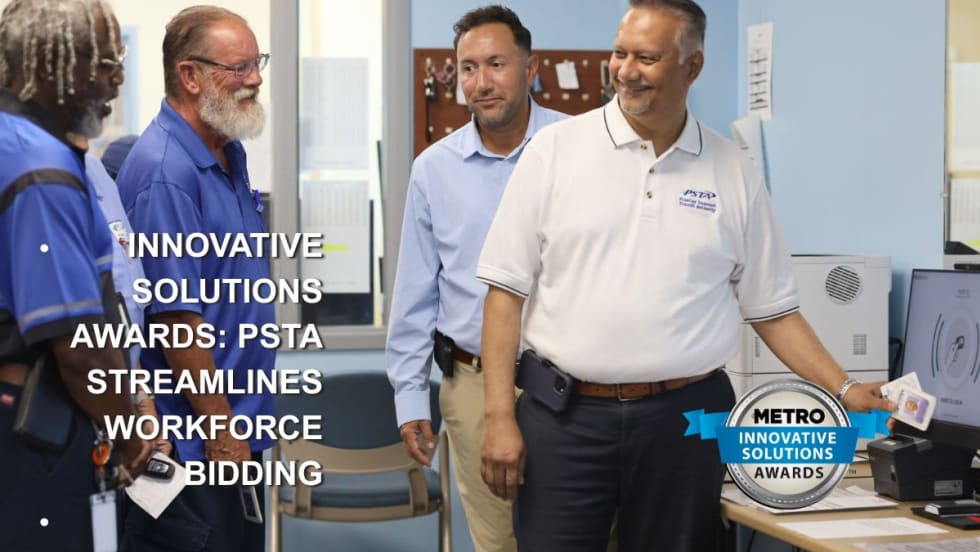
PSTA Modernizes Workforce Management with Digital Bidding System
The award-winning Workforce Transit Modernization project replaced paper bidding with a transparent digital platform, cutting administrative effort while improving access for operators.
Read More →
Chicago to Host Public Transportation's Biggest Gathering at APTA TRANSform & EXPO 2026
North America’s largest public transportation gathering returns to Chicago, connecting transit decision-makers with the technologies, ideas, and partnerships driving the industry forward.
Read More →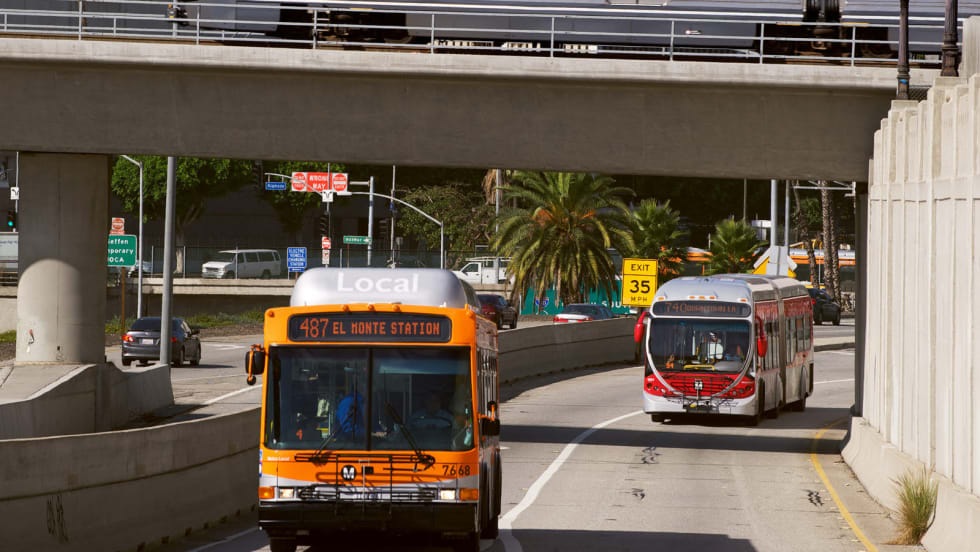
New Tricks for Old Bureaucracies: Joshua Schank on Making Transit Innovation Stick
Former LA Metro Chief Innovation Officer Joshua Schank discusses why good ideas aren't enough, how transit agencies can overcome resistance to change, and why today's challenges demand more innovation.
Read More →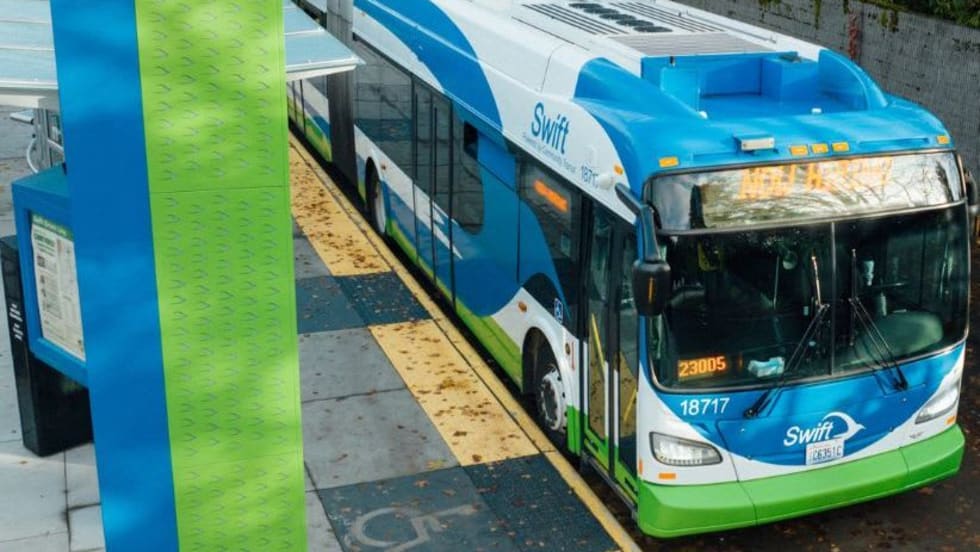
Washington's Community Transit Sets Six-Year Roadmap for Growth, Expansion
Approved TDP targets more bus service, new mobility options, Swift BRT expansion, and a potential Everett Transit annexation.
Read More →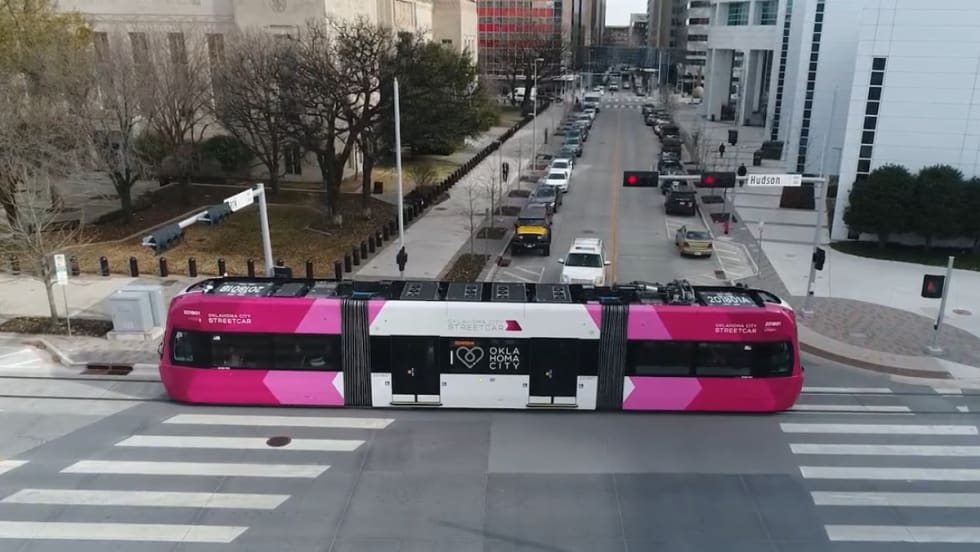
OKC Streetcar Makes Zero-Fare Service Permanent
Ridership increased an average of 71% compared with the same period a year earlier during the fare-free pilot.
Read More →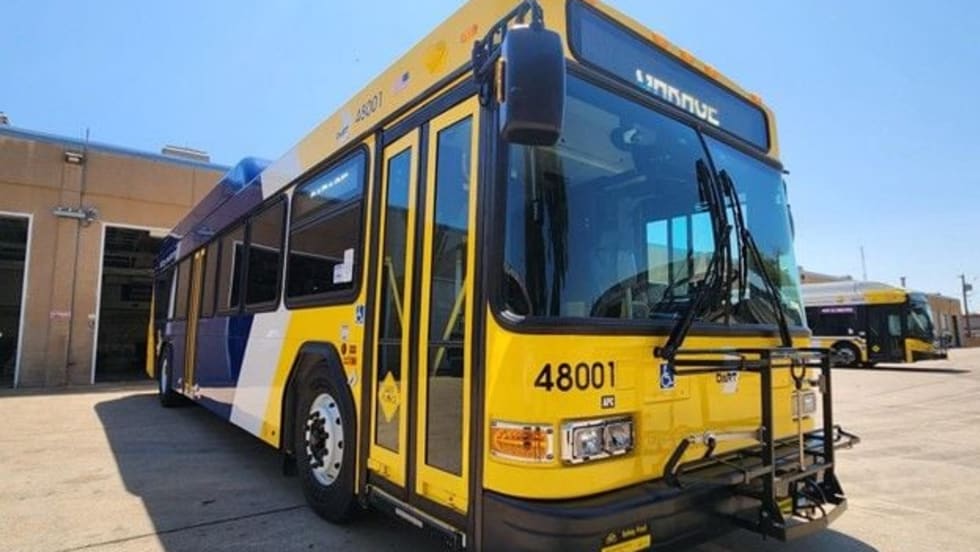
DART Customer Satisfaction Reaches Six-Year High
Overall satisfaction rose to 74.9%, while the agency’s Net Promoter Score reached a record 33.7.
Read More →
House Surface Transportation Bill Advances as Transit Funding Debate Intensifies
A bipartisan transportation package moving through Congress could redefine how the U.S. funds highways, transit, and motorcoach travel, while igniting new fights over electrification, regulation, and federal priorities.
Read More →
How Data, Strategy, and Community Engagement Are Reshaping Transit
In this edition of METROspectives, strada360 CEO Steve Lassey discusses how transit agencies can better align planning with operations, leverage data to improve decision-making, and build public trust as they prepare for the future of mobility.
Read More →