




Related: KCATA adopts new brand, improved paratransit services
Missouri Gov. signs bill funding Kansas City transit
The bill, approved with bipartisan support in the Missouri General Assembly, provides about $35 million in annual funding for the Kansas City Area Transportation Authority. The legislation also permanently locks the tax in place, meaning it will no longer be subject to legislative renewal.
July 14, 2015
KCATA
1 min to read

KCATA
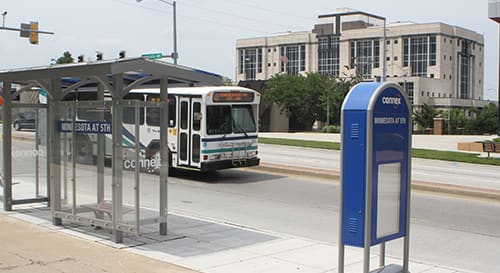
Missouri Gov. Jay Nixon signed a bill into law that renews a half-cent sales tax critical for funding public transportation in Kansas City.
The bill, approved with bipartisan support in the Missouri General Assembly, provides about $35 million in annual funding for the Kansas City Area Transportation Authority. The legislation also permanently locks the tax in place, meaning it will no longer be subject to legislative renewal.
Public transit counts heavily on the sales tax, which makes up more than a third of the KCATA’s annual budget.
“This is such an important piece of legislation for Kansas City,” said KCATA President/CEO Joe Reardon. “This money is the lifeblood needed for connecting people to economic opportunity. It sets in place the foundation for building a seamless transit network tying the metro area together.”
The sales tax has been in place since 1971 when Missouri lawmakers authorized Kansas City and St. Louis to impose up to a one-cent sales tax for transit.
Both cities approved half-cent sales taxes, which were originally supposed to be reviewed by the legislature every two years.
The St. Louis tax was made permanent in 2003, while the Kansas City tax was only extended until the end of this year.
More Management
LA Metro Ridership Continues Growth as Rail Gains Accelerate
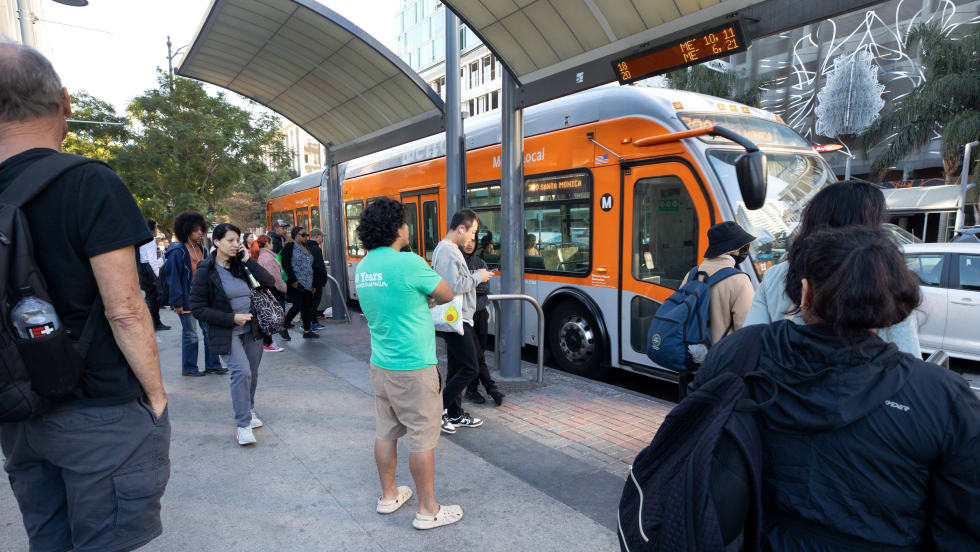
New rail connections and major events help drive continued ridership gains, with Metro recording its eighth consecutive month of year-over-year rail growth.
Read More →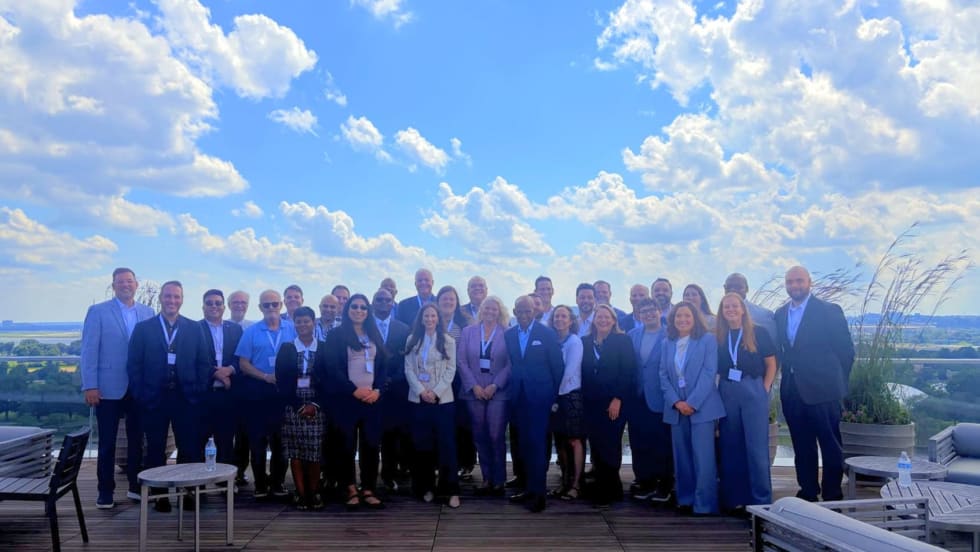
TransDASH Summit Focuses on Measuring What Matters in Transit
Transit agencies unveil a national performance platform designed to benchmark customer experience, safety, community value, and other outcomes.
Read More →
Jacksonville’s NAVI Project Charts a New Course for Autonomous Public Transportation
Through its NAVI program, JTA is showing how autonomous vehicles, intelligent infrastructure, and coordinated operations can work together to deliver everyday public transportation.
Read More →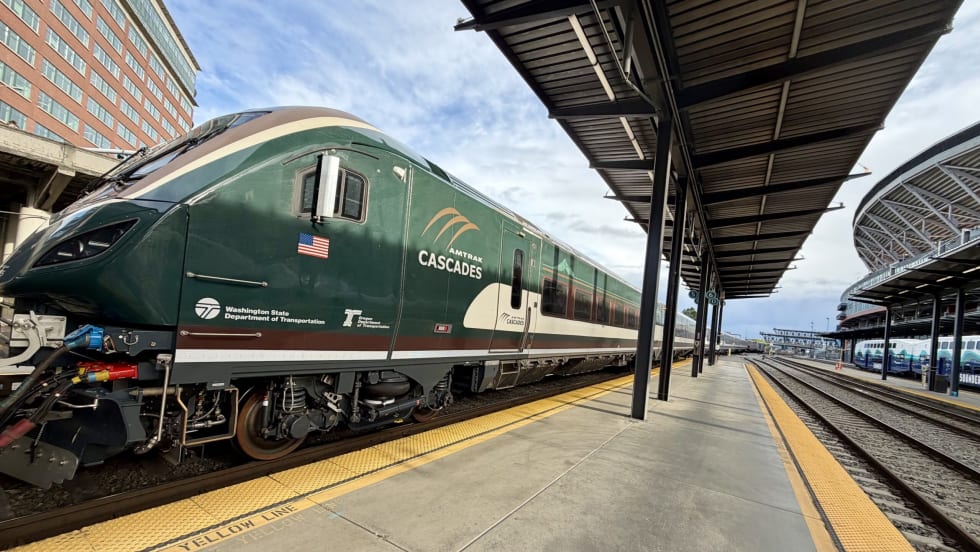
FRA Announces $5.3B in Rail Investments, Including $2B for Amtrak
Funding will support grade-crossing improvements, infrastructure upgrades, and new Amtrak equipment in 23 states.
Read More →
Finding the ‘Happy Medium’: Optimizing Maintenance Without Sacrificing Reliability
The key to maintenance optimization isn’t doing less work—it’s doing the right work at the right time on the right assets.
Read More →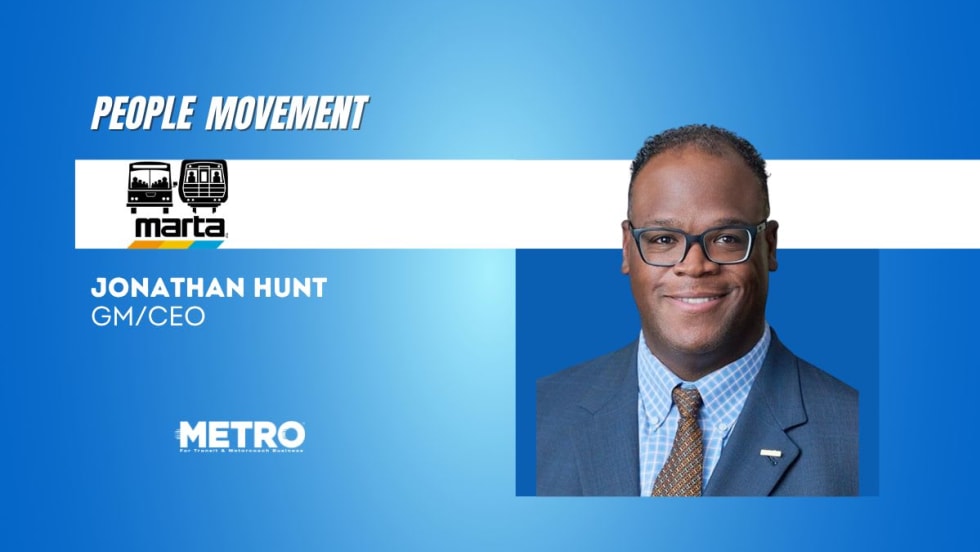
People Movement: MARTA Drops Interim Tag on GM/CEO Hunt and More
In this edition, METRO covers recent appointments and announcements at the FMCSA, HDR, SilverRide, and more, showcasing the individuals helping to shape the future of transportation.
Read More →
VIA Metropolitan Transit Reports 2 Million More Passenger Trips as Better Bus Plan Gains Momentum
San Antonio's transit agency said accelerated service improvements are driving ridership growth, offering another example of how increased frequency and workforce investments can translate into stronger transit performance.
Read More →
ABAF Study Reveals Growing Insurance Crisis for Motorcoach Operators
Preliminary findings show 98% of operators faced premium increases over the past five years, while shrinking insurer participation is putting added pressure on businesses and customers.
Read More →
PSTA Modernizes Workforce Management with Digital Bidding System
The award-winning Workforce Transit Modernization project replaced paper bidding with a transparent digital platform, cutting administrative effort while improving access for operators.
Read More →
Chicago to Host Public Transportation's Biggest Gathering at APTA TRANSform & EXPO 2026
North America’s largest public transportation gathering returns to Chicago, connecting transit decision-makers with the technologies, ideas, and partnerships driving the industry forward.
Read More →