



Mobile app replaces subway ads with art
Once the app is running, simply pointing your device at any of the 100 most widely circulating subway platform advertisements will cause the device to overlay curated digital art content, creating an augmented experience that blocks unwanted advertising.

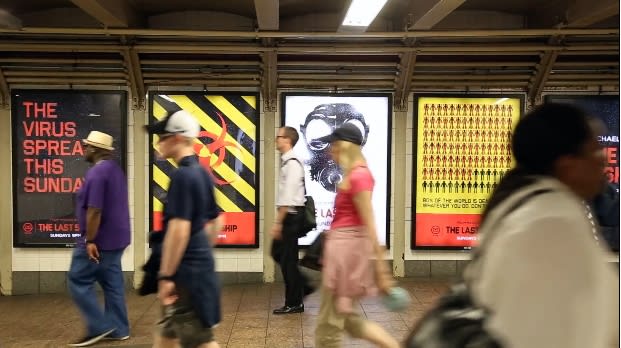
A new mobile app aims to bring in "cultural richness" befitting a "great metropolis" by transforming New York subway ads into works of art.
Littered throughout almost every station is a repetition of movie, television, product, and alcohol ads, which take advantage of NY’s immense captive transit audience and turn the daily commute into one long commercial for the latest products and commercial messages.
NO AD, created by Re+Public (PublicAdCampaign + The Heavy Projects) in collaboration with The SubwayArtBlog, aims to remedy this imbalance by using the preexisting advertising infrastructure as a new digital exhibition space.
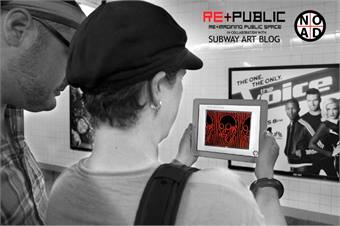
Users are encouraged to download the free iOS or Android app to their smart devices. Once the app is running, simply pointing your device at any of the 100 most widely circulating subway platform advertisements will cause the device to overlay curated digital art content, creating an augmented experience that blocks unwanted advertising.
Because the advertising is constantly changing in the subways, so to will the content users see through the app. Each week NO AD will auto update, replacing the new advertisements with original content. In an effort to keep the
user experience fresh, the company will collaborate with prominent cultural institutions to drastically alter the nature of the content offered, from street art, to photography, to music, poetry, and moving images, you can expect the NO AD app to continually provide new content.
We intend NO AD to bring a rich variety of cultural content to users and integrate itself into your daily commute. It is, however, not by chance that we do this using the preexisting advertising infrastructure. Overexposure to commercial has been linked to our behavior and psyche, with studies from the PIRC suggesting “...that advertising may be encouraging society to save less, borrow more, work harder and consume greater quantities of material goods.”
This behavior, in turn, puts an unnecessary burden on our environment and ourselves as we forgo personal experiences for material obsession. We see NO AD as a precursor to a viable physical ad blocking software that, used in conjunction with soon to be available heads up display technologies, will drastically alter our relationship to visual imagery in our shared public spaces.
More Rail
Amtrak, CN Reach Agreements to Strengthen Passenger Rail Service, Safety
The agreement resolves a more than decade-long proceeding before the Surface Transportation Board concerning the terms and conditions for Amtrak services, such as the City of New Orleans, Illini/Saluki, and Wolverine.
Read More →
New York MTA Advances Final Contract for Second Avenue Subway Expansion
Contract Four is the largest in the Second Avenue Subway Phase 2 project and includes construction of station infrastructure, tracks, and signals for the subway expansion, MTA officials said. Work on Contract Four will begin in 2027.
Read More →
San Diego MTS Breaks Monthly Trolley Ridership Record
Agency officials said July’s ridership indicates MTS’s continued recovery from the pandemic.
Read More →
Report Examines NJ TRANSIT Reliability, Funding Challenges
The Garden State Initiative analysis examines the roles of Amtrak infrastructure, fleet management, and agency operations while recommending a more performance-based approach to improving reliability.
Read More →
Stadler, CapMetro Sign Long-Term Rail Fleet Support Agreement
Beginning in 2027, Stadler will provide on-site technical expertise, spare parts support, training, and obsolescence management to help extend the reliability and longevity of CapMetro’s GTW fleet.
Read More →
Biz Briefs: Alstom Lands Canadian Contract, LYT to Supply California TSP, and More
In METRO's latest installment, we take a look at recent news from Complete Coach Works, Beep, FlixBus, and more partnerships making headlines across the transportation sector.
Read More →
CATS Gold Line Marks 5 Years of Service, 2.8M Passenger Trips
With a six-mile expansion planned, the Charlotte streetcar is positioned to connect more neighborhoods and major transit hubs across the region.
Read More →
Why Simulating Pedestrian Movement Has Become Essential for Modern Rail Stations
Pedestrian microsimulation is helping rail planners identify bottlenecks, test station designs, and prepare complex transit hubs for growing passenger volumes.
Read More →
Amtrak Begins Major Construction at New York’s Sunnyside Yard
The new maintenance facility will support Amtrak’s Airo trainsets while improving maintenance efficiency and turnaround times in New York.
Read More →
Chicago Leaders Unveil Plans for O’Hare Airport Express Train
The privately developed project would offer a 15-minute trip between downtown and O’Hare’s Terminal 2, with trains operating every 15 minutes on a dedicated track. The service would use battery-electric trains and three existing freight rail rights-of-way.
Read More →