



Moovit adds bike sharing availability in 200 cities
users are able to do all of this from within one service, including finding and renting bikes from established services, like Santander Cycles in London, CityCycle in Brisbane, Australia or Bixi in Montreal.

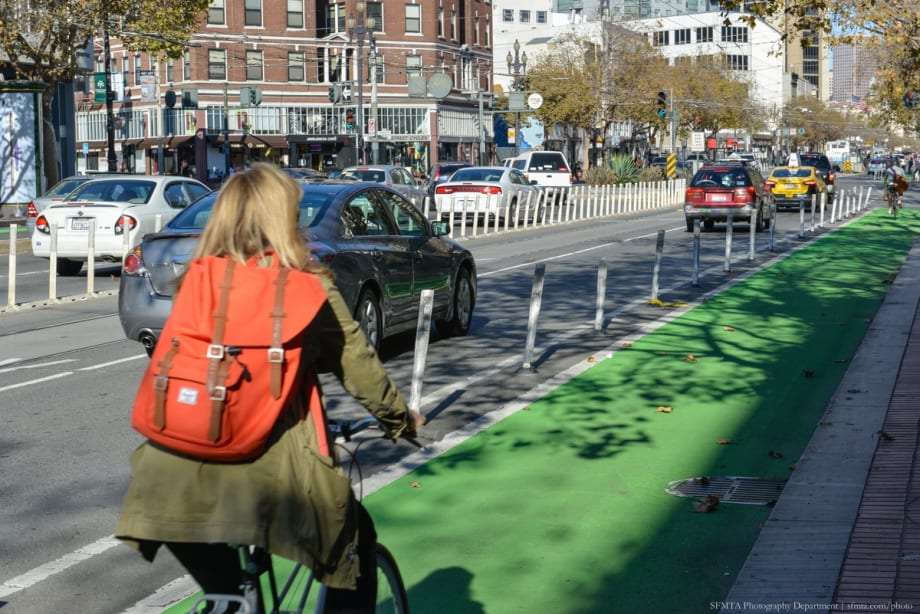
SFMTA

Public transportation planning app Moovit announced a new feature for iOS and Android users that enables commuters to share bikes in more than 200 cities.
While there are dedicated bus, train, bike and all sorts of other transportation apps available, having to download a whole bunch of them just to get across town by different means of transport is a bit of a drag.
Now, Moovit users are able to do all of this from within one service, including finding and renting bikes from established services, like Santander Cycles in London, CityCycle in Brisbane, Australia or Bixi in Montreal.
“We always aim to provide our users with access to as many localtransport options as possible,” Alex Mackenzie Torres, Moovit’s CMO, says. “The integration of bike sharing into the app gives our users more freedom in deciding how they want to travel around their cities and also provides more eco-friendly options for getting around.”
To use the new feature, all you need to do is search for your preferred bike location on the map and see where they are available (or where there are slots available to return one). Then tapping "get directions" will take you straight to your chosen ride or empty slot.
The bike sharing feature is available in the U.S., Canada, the U.K., major European countries, Japan and Australia.
More New Mobility
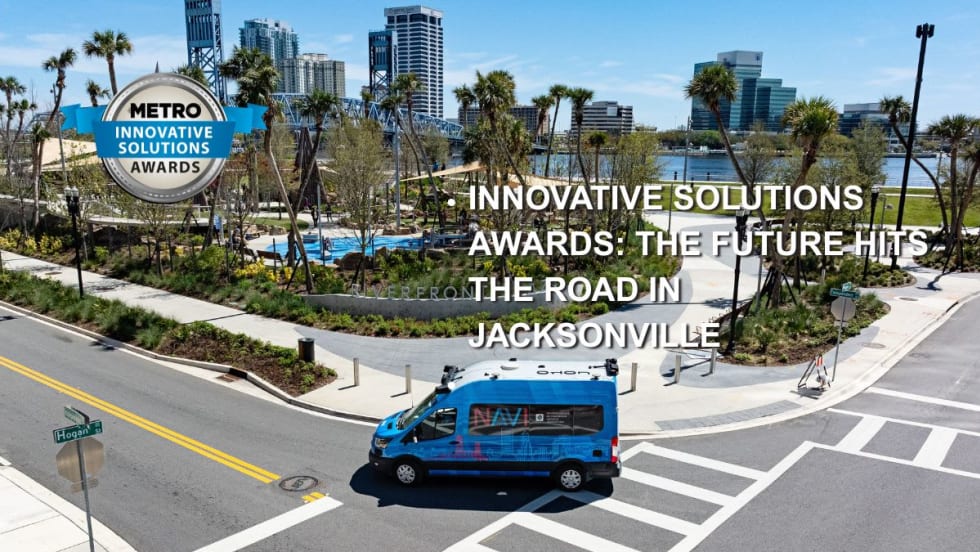
Jacksonville’s NAVI Project Charts a New Course for Autonomous Public Transportation
Through its NAVI program, JTA is showing how autonomous vehicles, intelligent infrastructure, and coordinated operations can work together to deliver everyday public transportation.
Read More →
Biz Briefs: Luminator Marks Milestone and More
From manufacturers and suppliers to transit agencies and motorcoach operators, these updates offer a snapshot of the projects, partnerships and business moves driving the industry forward.
Read More →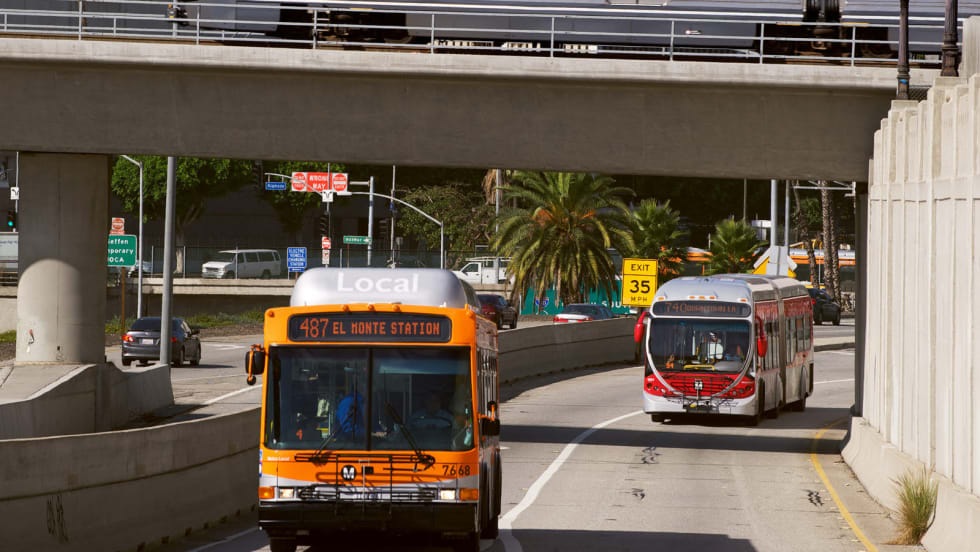
New Tricks for Old Bureaucracies: Joshua Schank on Making Transit Innovation Stick
Former LA Metro Chief Innovation Officer Joshua Schank discusses why good ideas aren't enough, how transit agencies can overcome resistance to change, and why today's challenges demand more innovation.
Read More →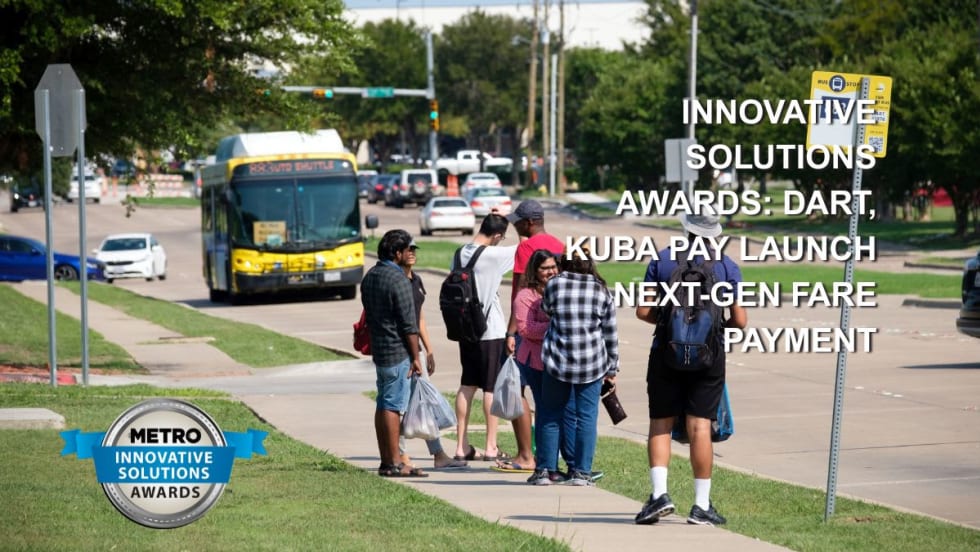
How DART's GoPass Is Redefining Regional Mobility
Serving 14 transit agencies, GoPass simplifies multimodal travel by allowing riders to plan, pay for, and manage an entire trip through one app.
Read More →
Biz Briefs: OCTA Taps Clean Energy for Hydrogen Station, Stadler to Supply Via Rail Vehicles, and More
From manufacturers and suppliers to transit agencies and motorcoach operators, these updates offer a snapshot of the projects, partnerships and business moves driving the industry forward.
Read More →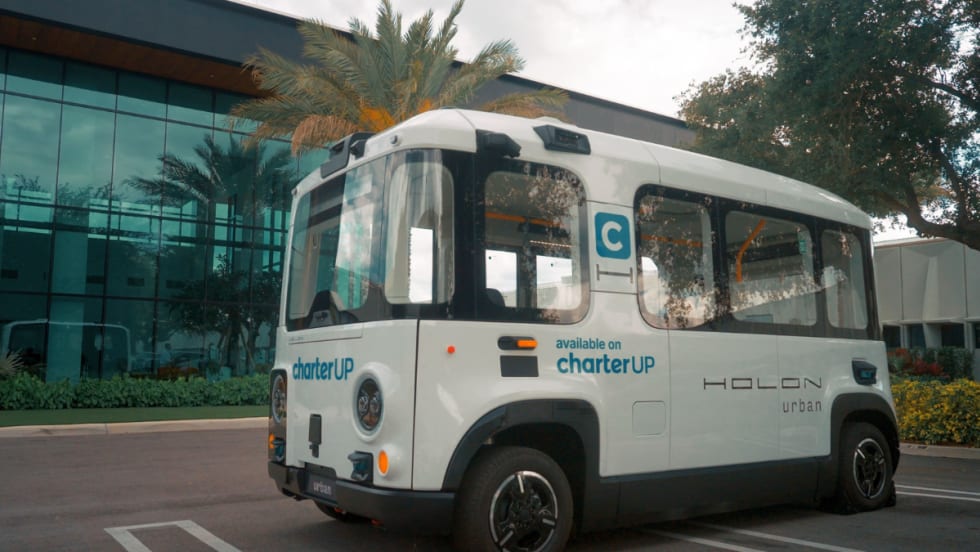
CharterUP Expands Into New Mobility and Autonomous Transportation
Vice President of New Mobility Stephen Joos discusses how CharterUP is leveraging its nationwide transportation network, technology platform, and autonomous vehicle partnerships to expand into workforce mobility, campus shuttles, and transit solutions.
Read More →
METRO Magazine Announces 2026 Innovative Solutions Awards Winners
Projects Recognized for Advancing Mobility Through Technology, Accessibility, Workforce Innovation, and Operational Excellence
Read More →
Biz Briefs: STV teams with Amtrak, Motorcoach Operators Boost Fleet and Land Contracts, and More
From manufacturers and suppliers to transit agencies and motorcoach operators, these updates offer a snapshot of the projects, partnerships and business moves driving the industry forward.
Read More →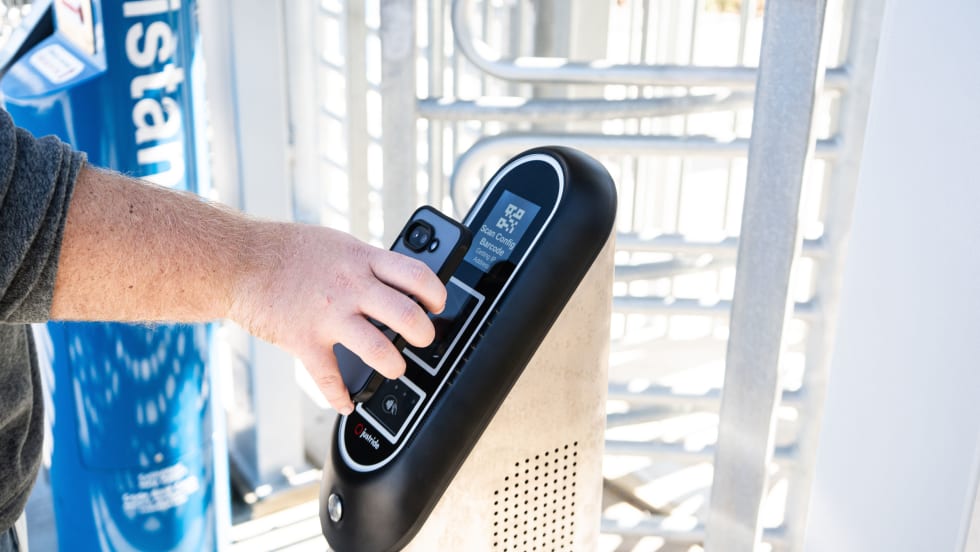
Biz Briefs: Masabi Teams with St. Louis Metro and More
In METRO's latest installment, we take a look at recent news from Transdev, Hitachi, and more partnerships making headlines across the transportation sector.
Read More →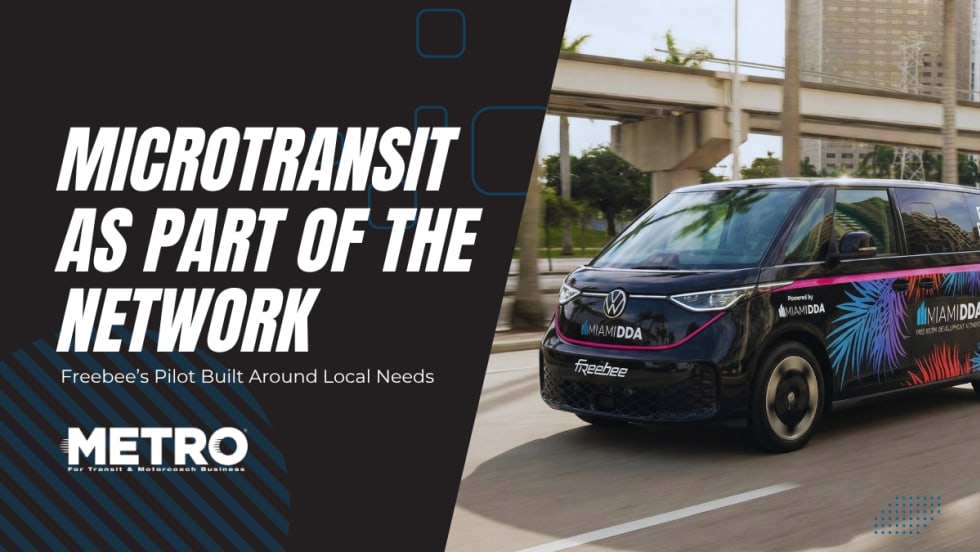
Microtransit's Next Test: Becoming Part of the Network
Freebee shows how electric microtransit is moving beyond pilots to fill network gaps, connect riders to transit, and prove lasting value.
Read More →