



MTA Controls OT Costs in 2021 Despite Pandemic Measures
Overtime spending was $217 million less than it was in 2018, with a projection of $1 billion in overtime reductions through 2024.
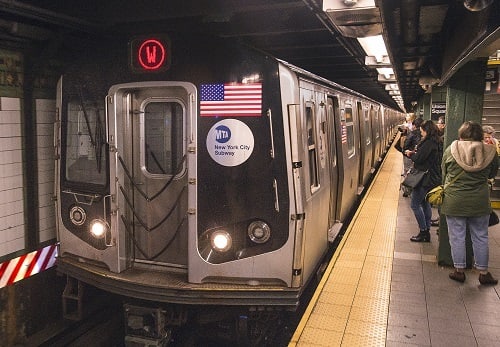
Despite significant operational challenges faced by the MTA and its operating agencies, overtime spending was reduced overtime spending in 2021 when compared to pre-pandemic levels.
MTA/Patrick Cashin
New York’s Metropolitan Transportation Authority (MTA) announced that overtime spending remained at the 2020 level despite strategic assignments of overtime to ensure the best possible levels of service on subways and buses. Staffing levels in 2021 had been reduced due to attrition and a hiring freeze brought on by the COVID-19 pandemic.
Despite significant operational challenges faced by the MTA and its operating agencies, overtime spending was reduced overtime spending in 2021 when compared to pre-pandemic levels. Overtime spending was $217 million less than it was in 2018, with a projection of $1 billion in overtime reductions through 2024.
These reductions were achieved through a variety of initiatives put in place over the last three years, including the adoption of strengthened policies, practices, and procedures and the introduction of new tools designed to help the MTA better manage the strategic use of overtime.
“The fact we were able to hold the line during a period in which staffing shortages required the use of scheduled overtime as a strategic way to maintain the levels of subway and bus service expected by New Yorkers speaks to the effectiveness of systemic controls,” said Chief Administrative Officer Lisette Camilo. “Even with staffing levels recovering following a hiring freeze caused by the pandemic, our approach will not change. The MTA will continue to reduce spending on manageable overtime.”
The Long Island Rail Road and MTA Police saw overtime savings of $21 million and $6 million respectively. New York City Transit accounted for 64% of total overtime spent, due in large part to deliberate additional overtime spent to protect service. Absentee coverage accounted for $93 million in 2021 due to on average 1,950 full-time vacant positions during the year.
The percentage of MTA employees who earned overtime at a level less than 10% of their base salary has steadily grown over the last two years, from 29.5% in 2018 to 44.9% in 2021.
The reductions follow the authority's aggressive efforts to improve overtime management through the implementation of a series of recommendations that came out of a report issued by the law firm Morrison & Foerster in 2019. Enactment of those recommendations is expected to save a billion dollars in overtime between 2020 and 2024, with total overtime spending $217 million less than it was in 2018.
Much of the success in controlling overtime the past few years can be attributed to the innovative actions each agency has implemented. A few examples of these actions are:
Using new electronic overtime approval forms for real-time oversight of requested hours.
Assessing compliance with overtime policies as part of mid-year reviews and performance appraisals.
Implementing weekly overtime activity reports to validate hours and pay as authorized and approved.
Improving project prioritization to minimize unnecessary overtime.
In 2022, the MTA will maintain its focus on achieving overtime cost reductions identified by the agencies, while continuing to focus on the successful implementation of the Morrison & Foerster timekeeping recommendations.
More Management

Brian Dickson on Building Stronger, More Resilient Transportation Organizations
Bus Business Consultants Founder Brian Dickson discusses the leadership principles, operational discipline, and strategic planning that separate transportation companies positioned for long-term success from those stuck in survival mode.
Read More →
LA Metro Breaks Ground on Vermont BRT Project
The 12.4-mile corridor is projected to serve 66,200 daily riders, reduce travel times by up to 24%, and create the nation's busiest bus rapid transit corridor.
Read More →
Building Stronger Leaders, More Resilient Transit Teams
Dr. Carol Parker Walsh discusses leadership development, employee retention, workplace culture, and preparing transit’s workforce for AI and automation.
Read More →
Roman Cornell on ABC Companies’ Evolution and the Future of Passenger Transportation
The company’s CEO discusses carrying forward a third-generation family legacy, ABC’s continued evolution in passenger transportation, support for increasingly complex fleets, and how technology and continued investment could help operators improve uptime.
Read More →
CATS Launches West Charlotte Microtransit Zone, Expands Transit Services
The new microtransit zone connects residents to key destinations as Charlotte Area Transit System rolls out the first phase of its 2055 Transit System Plan.
Read More →
VIA Bus Ridership Grows 10.1% Through August 2026
San Antonio's VIA Metropolitan Transit reported the highest bus ridership growth among major Texas transit systems. Federal Transit Administration data ranked it second among the nation's 50 largest transit systems.
Read More →
CSA Group Releases Climate Resilience Standard for Transit, Passenger Rail
Developed with support from the Standards Council of Canada, CSA D700 guides assessing climate-related risks and planning adaptation measures for transit and passenger rail systems.
Read More →
ETA CEO John Maglio on Transit Technology, Innovation, and Building Agency Trust
ETA founder and CEO John Maglio explores the evolution of transit technology, the importance of reliable systems, and how stronger partnerships can help agencies improve operations and the passenger experience.
Read More →
COTA Launches First Customer Experience Action Plan to Improve Transit Service
The new plan outlines improvements to service reliability, accessibility, communication, and the overall rider experience across Central Ohio's transit system.
Read More →
LA Metro September Ridership Climbs 3.9%, Led by Rail Growth
The agency recorded more than 27.2 million boardings, with rail ridership increasing 12.4% year over year and the D Line posting the largest gains.
Read More →