



MTI Report Examines the Hidden Toll of Mental Health, Assaults on Transit’s Frontline
The study included a literature review, data collection and analysis, and an overview of reported public transit assault-related events, a discussion of contributing factors, and documentation of 10 public transit agency case study sites.


The mental health conditions of transit workers are sometimes overlooked, according to MTI.
Photo: Marc A. Hermann
New Mineta Transportation Institute (MTI) research, “Understanding the Prevalence of Mental Health and Behavioral Distress in Transit Assaults and Presenting Targeted Response and Mitigation Methods to Reduce Victimization Trends,” gathered and analyzed existing literature and data to improve understanding of the prevalence of mental health and behavioral distress in transit assault events.
The study included a literature review, data collection and analysis, and an overview of reported public transit assault-related events, a discussion of contributing factors, and documentation of 10 public transit agency case study sites.
Helping Transit's Frontline
In 2023, U.S. transit agencies reported 2,200 major assault injuries sustained on public transit vehicles or within transit environments, the highest annual number recorded in the history of Federal Transit Administration data collection.
Recommendations for the public transit industry based on this project’s findings include:
Establish a consistent and clear definition of assault.
Expand de-escalation training to include mental health awareness and utilize real-world scenarios and implement further specialized training for frontline workers and supervisors.
Actively pursue legislative support at both the state and federal levels to protect transit workers.
Establish/strengthen court advocacy and other support programs, such as Employee Assistance Programs (EAPs).
Expand law enforcement presence and foster collaborative relationships with local law enforcement agencies and community-based organizations.
Improve data collection and associated analyses in support of risk assessment and management activities.
Implement and mandate operator safety barriers across the transit bus fleet.
Expand and enhance video surveillance systems, particularly in high-risk areas.
Expand community outreach campaigns that may prove effective in addressing factors that contribute to assault events.
“Some agencies, such as LA Metro, have implemented robust surveillance and community partnership programs, emphasizing early intervention and support for vulnerable populations,” explain the study’s authors. “Still, significant gaps remain, particularly in standardizing the definition and reporting of assaults, ensuring sufficient funding for training, and addressing systemic issues such as homelessness and substance misuse. These challenges highlight the need for coordinated national and agency-tailored approaches to improve safety and support within the transit sector.”
Keeping Frontline Workers Top of Mind
The mental health conditions of transit workers are sometimes overlooked, according to MTI. Frontline workers, especially those who are regularly exposed to verbal abuse and assault, need protection and support services.
MTI believes its research can aid transit professionals and other stakeholders to better understand why and how mental health plays a role in transit assaults and how to integrate this understanding into response efforts to make transit safer for everyone.
More Security and Safety

Transit Agencies Highlight Safety Gains at National Summit
Leaders from 15 major transit systems shared crime-reduction results and safety initiatives while discussing the role of continued federal support.
Read More →
DART Launches Major Security, Fare Enforcement Initiative
The 90-day demonstration will deploy coordinated security teams at five light rail stations while testing controlled access and gathering data to guide future investments.
Read More →
RTD Launches NextRide App to Consolidate Trip Planning, Fares, Security Reporting
The app expands on RTD’s existing NextRide web application and allows customers to view real-time vehicle locations and service alerts, purchase and store digital fares, and access customer support.
Read More →

TAPTCO Updates OSHA Compliance Training for Transit Maintenance Operations
The revamped program addresses 26 OSHA standards for maintenance facilities, with TAPTCO pointing to training, documentation, and everyday shop hazards as continuing challenges for transit operations.
Read More →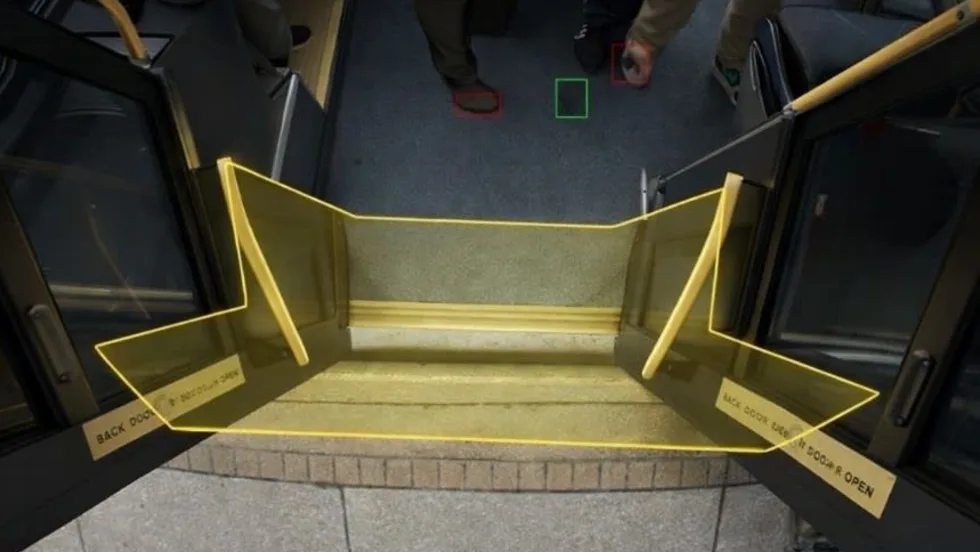
How VaporVision Adds Value to Transit Door Systems
Wabtec engineers explain how the system improves doorway detection, strengthens diagnostics and gives transit agencies and OEMs greater operating flexibility.
Read More →
FRA Announces $5.3B in Rail Investments, Including $2B for Amtrak
Funding will support grade-crossing improvements, infrastructure upgrades, and new Amtrak equipment in 23 states.
Read More →
Chicago, Maryland Expand Non-Law-Enforcement Safety, Rider Support
The CTA and MTA are launching new programs aimed at de-escalation, crisis response, rider assistance, and greater transparency.
Read More →
LA Metro, City of West Hollywood, and Partners Advance Smarter Bus Lane Enforcement
The award-winning partnership combines AI-powered detection with human oversight to improve bus reliability, accessibility, and enforcement efficiency.
Read More →
LA Metro Reports 57% Decline in Homelessness on Transit System Since 2024
The agency's latest homelessness count offers new data on how care-based services and cross-sector partnerships can complement traditional transit security strategies.
Read More →
FTA Launches 'Transit Moves America' Dashboard to Highlight Agency Safety and Performance
The online dashboard transforms National Transit Database information into a public-facing resource that allows users to compare transit agencies on key operational and safety metrics.
Read More →