



N.Y. MTA plan 'redraws' Queens bus service to boost speed, reliability
NYC Transit bus stops are the closest-spaced in the country, some of which are as close as two blocks apart.

New York’s Metropolitan Transportation Authority (MTA) released a draft plan for the Queens Bus Network Redesign, a key milestone in a customer-focused process to reimagine the century-old Queens bus system to better serve customers, shorten commute times, speed up buses, increase intermodal connections, and provide more frequency and choices to travel within the borough and to Brooklyn, Manhattan, and the Bronx.
The MTA will continue its extensive public outreach as it presents the draft plan to Queens communities and seeks feedback for a bus network that was truly redrawn with a “blank-slate” approach.
The Queens Bus Network Redesign’s draft plan sought to address customer concerns that were expressed during public outreach of the redesign’s Existing Conditions report, which sought to accurately depict the status, operations, and flaws of the current Queens bus network using customer feedback, ridership, and demographics data, as well as service performance and operations data. The redesign’s goals included:
Improving service reliability.
Improving bus speeds.
Expanding bus priority such as bus lanes and use of traffic signal priority technology by working with New York City Department of Transportation (NYC DOT).
Improving traffic enforcement through use of MTA’s automated bus lane enforcement initiative and close collaboration with NYC DOT and NYPD.
Improving connectivity at population centers and destinations, at intermodal transfer locations, and at emerging residential and commercial developments.
Balancing bus stop spacing from an average of 850 feet apart to 1,400 feet by consolidating or removing closely spaced or under-utilized bus stops. On average, a bus takes 20 seconds to more than one minute to pull into a bus stop and then reenter traffic. NYC Transit bus stops are the closest-spaced in the country, some of which are as close as two blocks apart. When reviewing candidates for stops, NYC Transit considers factors such as geography and proximity to schools, colleges, hospitals, community centers, libraries, or senior centers.
Improving connections between areas with high densities of residents with mobility impairments and existing and future accessible subway stations.
Working with the NYC DOT to improve bus stop accessibility and customer amenities such as shelters, bus bulbs and real-time digital service information signs.
Under the Fast Forward plan to improve bus service, NYC Transit is redesigning the bus networks in every borough of New York City, starting with the Staten Island Express Bus Redesign that was implemented in August 2018 and has resulted in tangible improvements in bus speeds and reliability, and increases in frequency and trips. The MTA recently released the proposed final plan for the Bronx Bus Network Redesign, and recently launched the Brooklyn Bus Network Redesign.
More Bus
Biz Briefs: New Flyer Delivers in Columbus, Houston, Beep and Freebee Merge, and More
In this edition of Biz Briefs, we spotlight the latest developments shaping the future of mobility.
Read More →
People Movement: Dan Dipert Coaches Adds Third-Generation Leader, Keolis Names New Valley Metro VP/GM, and More
In this edition, we also cover recent appointments and announcements at the Wabtec, SilverRide, HNTB, and more, showcasing the individuals helping to shape the future of transportation.
Read More →
New York MTA Plans Largest Bus Fleet Upgrade in More Than a Decade
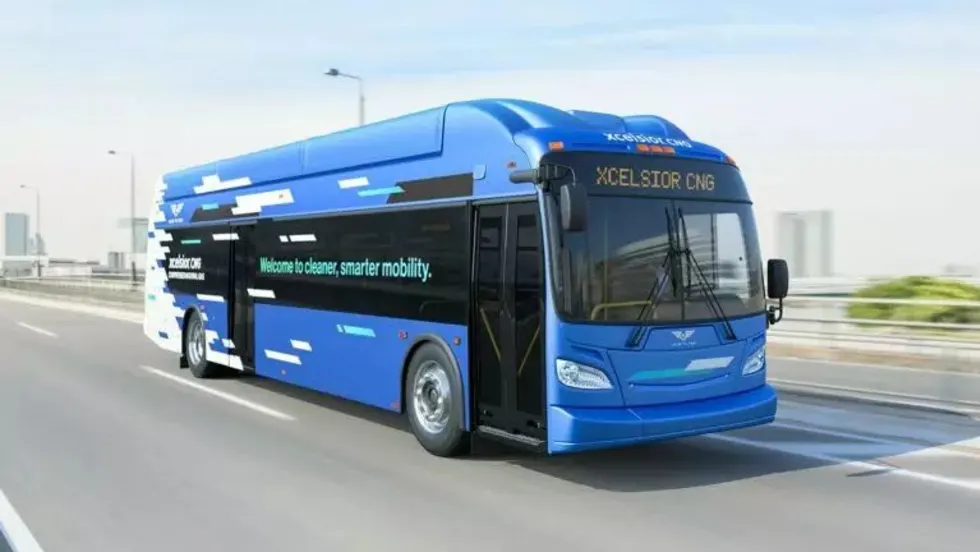
The agency is seeking manufacturers for 650 new CNG buses to replace aging vehicles, improve reliability, and advance its broader fleet modernization strategy.
Read More →
Building a Flexible Path to Transit Electrification
John Hroncich discusses BAE Systems’ modular and scalable approach, lessons learned from decades of real-world operations, and how agencies can identify electrification strategies that fit their fleets.
Read More →
Bus Tech Talk: Keeping Transit Technicians Ahead of the Technology Curve
LA Metro’s Obed Mejia discusses technician training, evolving maintenance technology, fleet replacement, and strategies for getting the most out of today’s transit fleets.
Read More →
Biz Briefs: RIPTA Unveils New Frontrunners, Clevland RTA Adds New Siemens, and More
In METRO's latest installment, we take a look at recent news from Siemens, Prevost, Dodge, and more partnerships making headlines across the transportation sector.
Read More →
People Movement: Holly Arnold Joins Transdev and More
In this edition, we also cover recent appointments and announcements at Pace, CamTran, MCI, and more, showcasing the individuals helping to shape the future of transportation.
Read More →
The High Cost of Transit Buses: Industry Leaders Look to Procurement Reform
Transit leaders and policymakers examine how standardized bus designs, streamlined procurement, and predictable funding could help agencies stretch budgets and deliver better service.
Read More →
The Business Voice Behind Public Transportation
As chair of APTA’s Business Members Board of Governors, Ray Melleady explains how more than 850 business members are partnering with transit agencies to advance funding, innovation, and industry-wide collaboration.
Read More →
From Surviving to Thriving: Building Stronger Transportation Organizations
Bus Business Consultants founder Brian Dickson shares lessons on leadership, organizational health, and creating options for long-term success in a changing transportation industry.
Read More →