



N.Y. MTA seeking train ticketing app
LIRR and Metro-North are seeking proposals from companies that can develop an app that will let customers buy tickets right on their mobile devices and display their tickets on screen for visual inspection by conductors and/or barcode verification. Responses are due by March 15.

The digital revolution has reduced Long Island Rail Road (LIRR) and Metro-North Railroad customers' reliance on paper timetables and now it may do the same for paper tickets.
LIRR and Metro-North customers might soon be able to choose a new, more convenient way to buy train fares: instant digital tickets via smartphone or tablet. For those who choose to use them, it would mean an end to traveling to stations early to spend time buying tickets, or waiting for tickets to arrive in the mail.
The two railroads are seeking proposals from companies that want to help make digital ticketing a reality. The railroads are asking companies to develop an app that will let customers buy tickets right on their mobile devices and display their tickets on screen for visual inspection by conductors and/or barcode verification. As an alternative, customers would be able to print tickets at home.
“A large and growing segment of our customers already have their smartphones or tablets out with them as they ride,” said Metro-North President Howard Permut. "So ticketing via smartphone will help our customers avoid having to put down what they're doing and rummage through a wallet or purse. That means convenience for customers and time savings for our conductors. This has the potential to become the preferred way for customers to purchase tickets."
"Mobile ticketing will offer customers the convenience of print-at-home ticketing as well as onboard payment using credit and debit cards,” said LIRR President Helena E. Williams. “It also will provide many efficiencies for our operation, including reducing onboard cash sales and fare disputes. The LIRR's successful mobile ticketing pilot last summer for the PGA TOUR at Bethpage showed customers are eager for mobile ticketing."
The request for proposals results from successful pilot programs undertaken at each railroad.
Last August, 5,894 golf fans taking the train to The Barclays PGA Tour event bought round trip train tickets online from a company participating in the pilot. Once making the purchase, customers received their train tickets via email to print at home or download to their smartphone. LIRR staff validated the tickets via handheld barcode reader.
A follow-up survey of 368 digital ticket holders declared that the ticketing was a big winner. The survey found that 99% of respondents were "very satisfied" with their overall online ticketing experience, with 81% giving the process a top grade of 5 and 18% giving it a grade of 4 on a scale of 1 to 5. The survey asked, "Would you purchase future train tickets online?" One hundred percent of the participants answered "Yes."
Beginning last July, Metro-North began a smartphone ticketing pilot in which railroad employees acted as customers. During the pilot, railroad employees downloaded a free app to their personal iPhone, Android or Blackberry. The app let the testers buy any type of ticket (one-way, round trip, 10-trip, monthly), with any origin and destination using their credit or debit cards.
The time- and date-stamped electronic ticket appeared on the purchaser's phone screen as a secure image that conductors validated visually. The electronic ticket also appeared a bar code that conductors verified by scanning with special hand-held devices.
The request for proposals was issued on January 22. Responses are due by March 15. The MTA expects to award a contract by July 2013. The winning firm would begin a pilot program customers could try by the spring of 2014, and full rollout would begin by the early fall of 2014.
More Rail
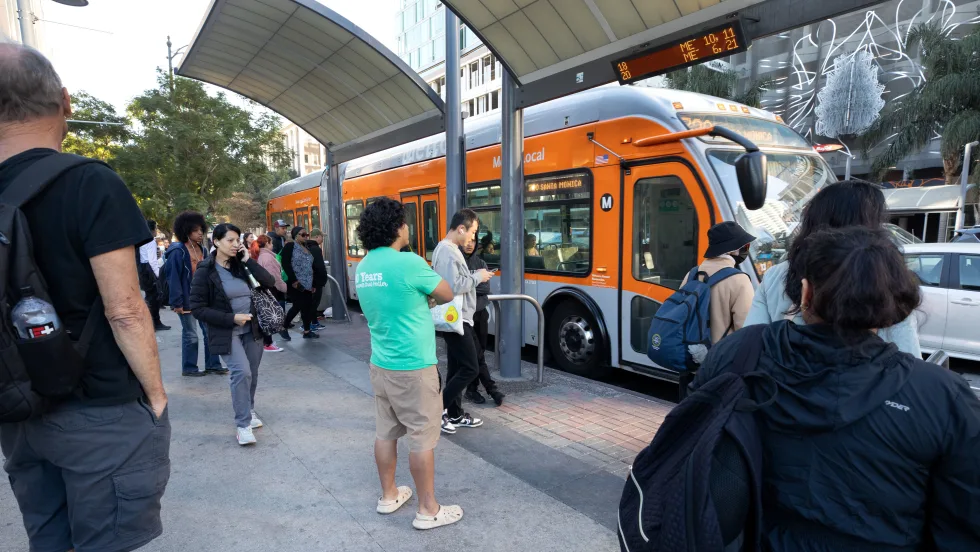
LA Metro September Ridership Climbs 3.9%, Led by Rail Growth
The agency recorded more than 27.2 million boardings, with rail ridership increasing 12.4% year over year and the D Line posting the largest gains.
Read More →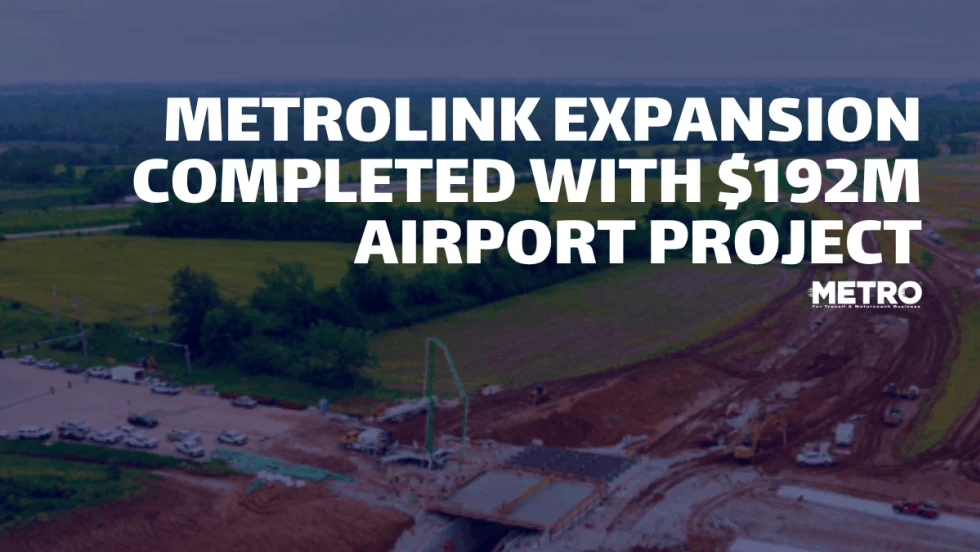
First Full MetroLink Rail Expansion Completed in 20 Years with $192M Airport Project
The project links two St. Louis-area airports by light rail while adding roadway and bike trail connections to improve regional access and mobility.
Read More →
Utilimarc Launches SmartReplace to Optimize Fleet Replacement Decisions
AI-powered SmartReplace helps fleets prioritize vehicle replacements, model budget scenarios, and build more defensible long-term strategies.
Read More →
Scenes from APTA TRANSform & EXPO 2026
Transit leaders, manufacturers, and industry professionals gathered in Chicago to explore new technologies, share ideas, and discuss the future of public transportation.
Read More →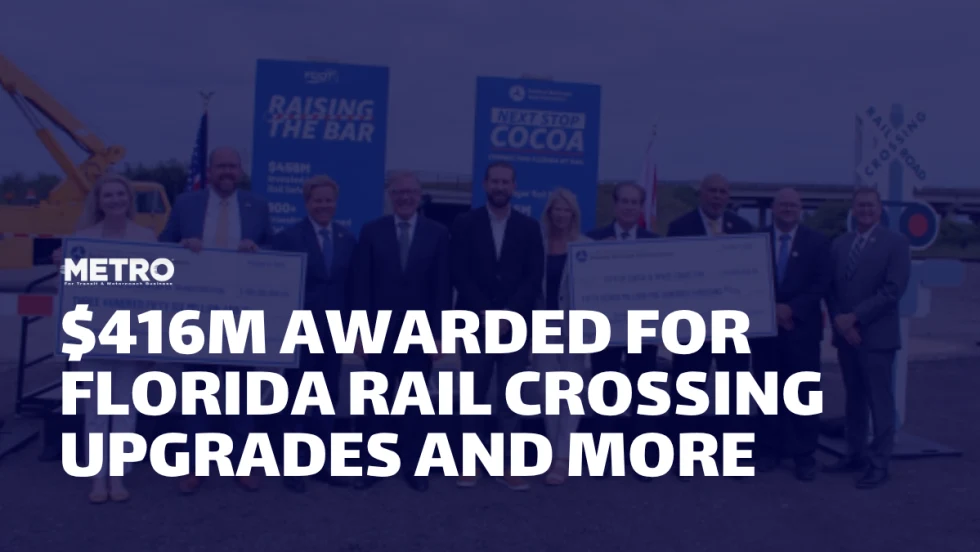
USDOT Awards $416 Million for Florida Rail Crossing Safety Upgrades, New Brightline Station
The projects aim to reduce risks for motorists and pedestrians at rail crossings while expanding passenger rail access along Florida’s Space Coast.
Read More →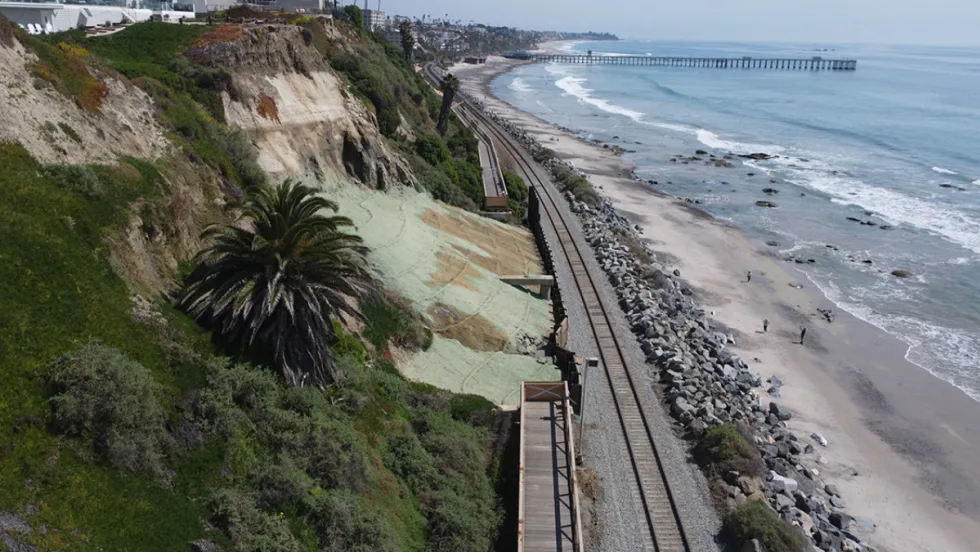
OCTA Declares Emergency to Protect Rail Corridor From Coastal Erosion
The California agency is accelerating shoreline protection and plans to place approximately 690,000 cubic yards of sand along the San Clemente coast to protect a key passenger and freight rail link.
Read More →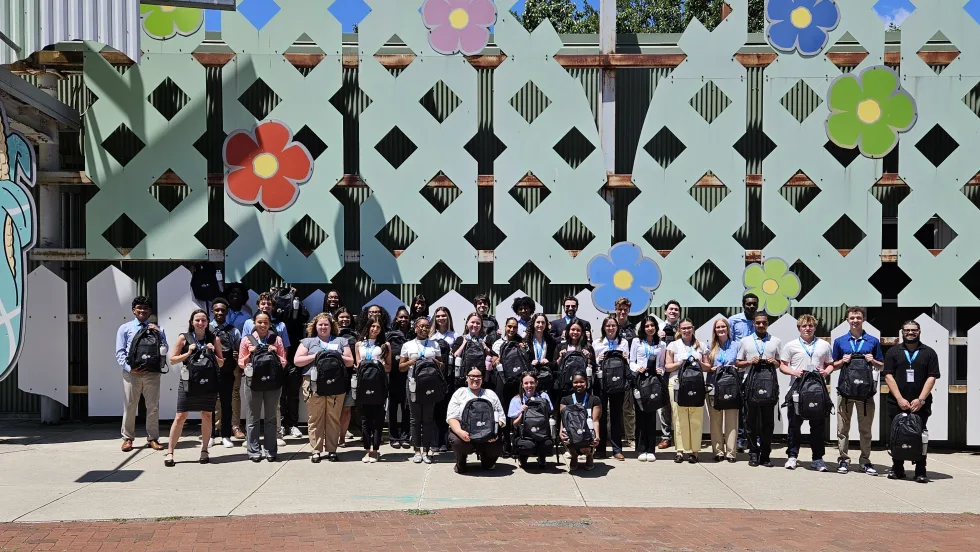
More Than a Summer Job: Building the Next Generation of Transit Talent
The Delaware River Port Authority and PATCO have transformed their internship program into a hands-on professional development experience that introduces students to the breadth of transportation careers — and creates a pipeline for future employees.
Read More →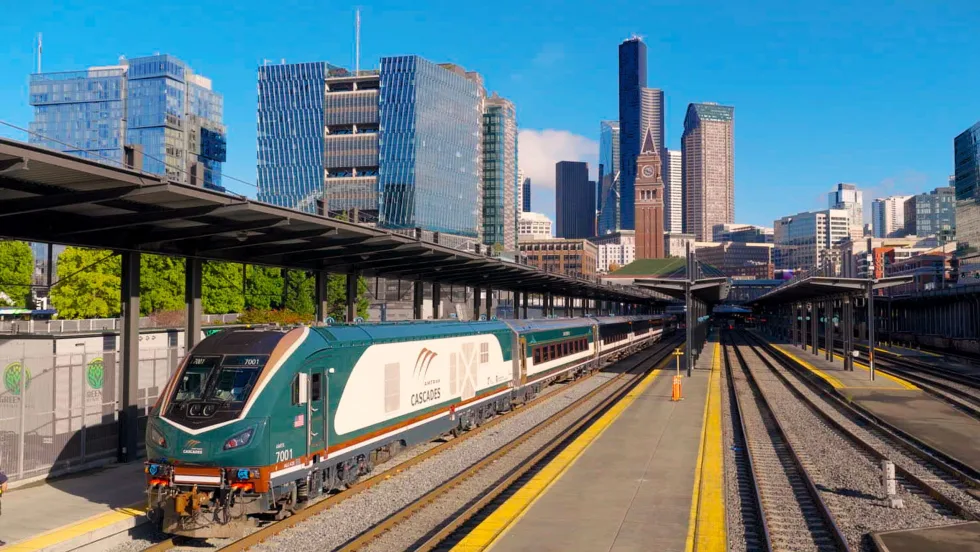
Airo Trains Make Their Amtrak Cascades Debut in the Pacific Northwest
Effective immediately, two cutting-edge Airo trainsets will join the Amtrak Cascades route, operating four daily trips between Vancouver, B.C., Seattle, Portland, and Eugene, Oregon, marking the first introduction of Airo trains into passenger service anywhere in the country.
Read More →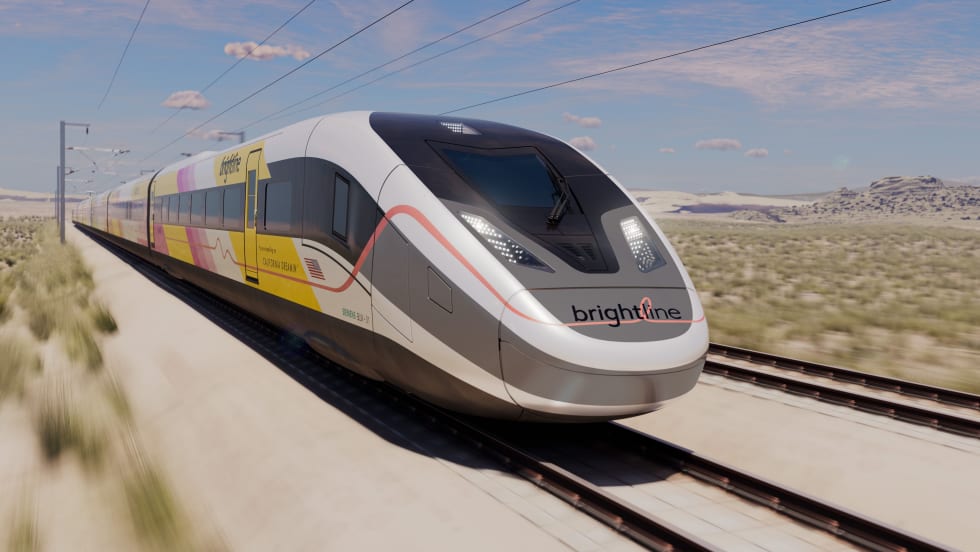
Florida's Brightline Announces Financial Restructuring
Brightline Florida says train operations will continue as normal as certain parent entities enter Chapter 11 and financial stakeholders provide $490 million in new long-term capital.
Read More →
ENC Lands MATA Contract and More in Biz Briefs
In this edition of Biz Briefs, we spotlight the latest developments shaping the future of mobility.
Read More →