




Related: N.Y. MTA moves into 21st century with strong focus on tech, rolling stock
N.Y. MTA to add over 2,000 new buses over the next five years
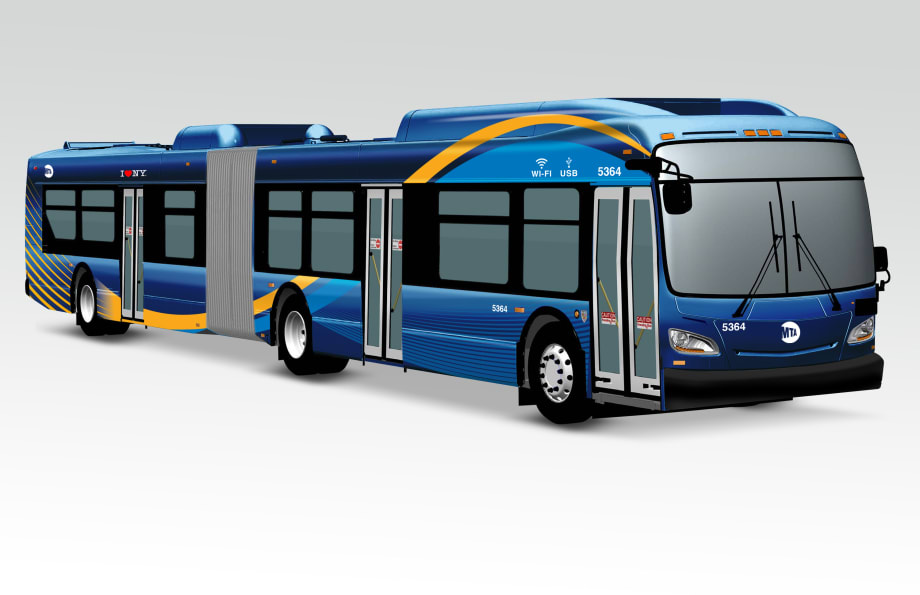
The New Flyer buses will feature free WiFi, USB charging ports, and digital information screens and begin hitting New York streets next month.
March 8, 2016
3 min to read
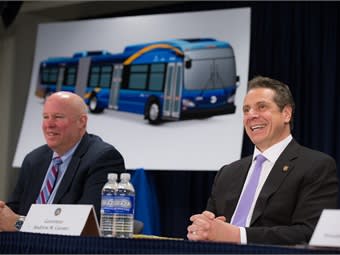
Governor Andrew M. Cuomo announced that the MTA would add 2,042 state-of-the-art new buses to its transportation fleet over the next five years. The Governor, joined by MTA Chairman and CEO Thomas Prendergast and MTA New York City Transit President Ronnie Hakim, introduced the next generation vehicles to the public, as well as previewed enhanced amenities like USB charging ports and Wi-Fi. The new buses, which will replace nearly 40 percent of the MTA’s current fleet and represent a $1.3 billion investment of Capital Program resources, will begin hitting streets next month.
“Today’s world demands connectivity, and we’re meeting that challenge with state-of-the-art buses and a major overhaul of the MTA’s fleet. This upgrade will create a stronger, more convenient and more connected mass transit system for years to come,” said Governor Cuomo.
The buses, which will have a distinct new look and feel, are a vital part of the state’s efforts to significantly transform and modernize the MTA, its infrastructure, and its fleet to meet the growing demands of the 21st century. The state is contributing $8.3 billion to help fund the MTA’s $26.1 billion 2015-19 Capital Program.
All new buses will include added amenities designed to dramatically improve the overall customer experience, including the charging ports and free Wi-Fi hotspots on all rides. A new pilot program to install digital information screens on 200 buses will begin this year, providing customers with the most up to date information available on upcoming stops, available transfers, weather, and other information.
The Governor has called on the MTA to accelerate the deployment of new technology on city buses to improve the passenger experience and enhance a system that is more than a century old.
By 2020, 2,042 buses will be equipped with Wi-Fi hotspots. Seventy-five of the first new buses will make their debut in the 2nd and 3rd quarter of this year in Queens, and over the next two years another 70 buses will begin operating in Brooklyn, 209 in the Bronx, and 18 in Manhattan. The remaining new buses will be assigned to various routes throughout the five boroughs from 2018 through 2020. Additionally, the MTA is in the process of upgrading existing busses with Wi-Fi and USB charging ports. By the end of 2017, all express buses will be retrofitted with Wi-Fi and USB charging ports.
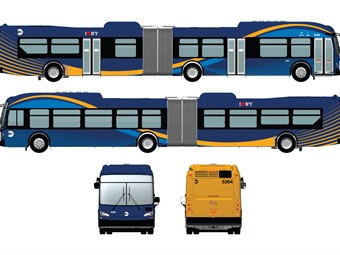
The Wi-Fi will provide a new level of connectivity to New Yorkers, bringing ease and convenience to those working, reading emails, or checking in on their social media accounts without impacting their cellular data plans. The number of USB ports on buses will range from 35-55, depending on the make and model, and will be conveniently located throughout the bus.
Digital information screens will also provide customers with travel information to reduce anxiety about missing stops and better enable customers to plan and arrive at their destinations on time. Buses will have two to three LCD screens mounted inside the bus, displaying everything from automated stop announcements, available transfers at each stop, news, weather and advertising as well as real-time communication from the bus command center.
With nearly 8.7 million travelers per day, these upgrades are part of a robust plan to fully transform the MTA into an innovative, state-of-the-art system with improved customer service and first-class amenities.
The first 75 buses slated to roll out this year are being manufactured by New Flyer Industries, which is planning to open a new facility Western New York in November 2016 to assemble major components on these buses, bringing 30 new jobs to New York.
More Bus
Biz Briefs: New Flyer Delivers in Columbus, Houston, Beep and Freebee Merge, and More
In this edition of Biz Briefs, we spotlight the latest developments shaping the future of mobility.
Read More →
People Movement: Dan Dipert Coaches Adds Third-Generation Leader, Keolis Names New Valley Metro VP/GM, and More
In this edition, we also cover recent appointments and announcements at the Wabtec, SilverRide, HNTB, and more, showcasing the individuals helping to shape the future of transportation.
Read More →
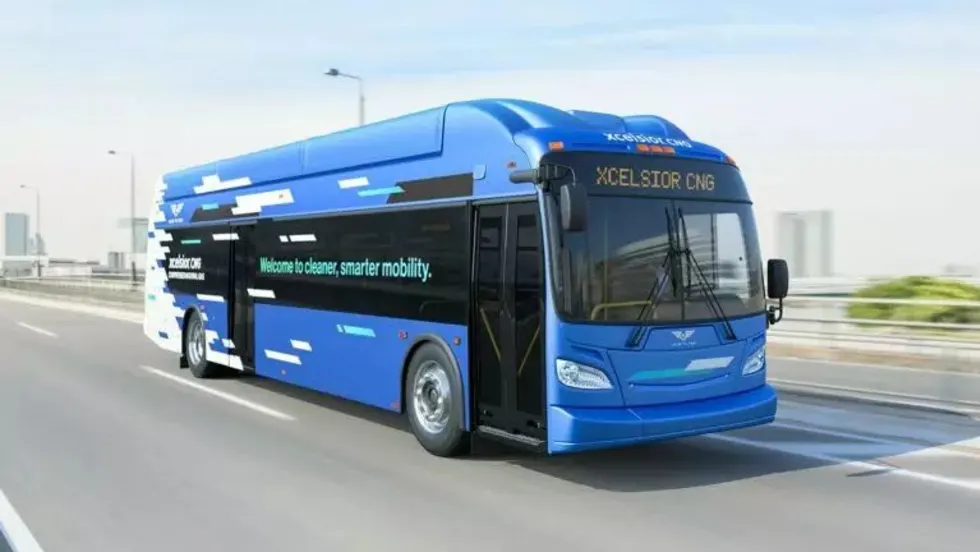
New York MTA Plans Largest Bus Fleet Upgrade in More Than a Decade
The agency is seeking manufacturers for 650 new CNG buses to replace aging vehicles, improve reliability, and advance its broader fleet modernization strategy.
Read More →
Building a Flexible Path to Transit Electrification
John Hroncich discusses BAE Systems’ modular and scalable approach, lessons learned from decades of real-world operations, and how agencies can identify electrification strategies that fit their fleets.
Read More →
Bus Tech Talk: Keeping Transit Technicians Ahead of the Technology Curve
LA Metro’s Obed Mejia discusses technician training, evolving maintenance technology, fleet replacement, and strategies for getting the most out of today’s transit fleets.
Read More →
Biz Briefs: RIPTA Unveils New Frontrunners, Clevland RTA Adds New Siemens, and More
In METRO's latest installment, we take a look at recent news from Siemens, Prevost, Dodge, and more partnerships making headlines across the transportation sector.
Read More →
People Movement: Holly Arnold Joins Transdev and More
In this edition, we also cover recent appointments and announcements at Pace, CamTran, MCI, and more, showcasing the individuals helping to shape the future of transportation.
Read More →
The High Cost of Transit Buses: Industry Leaders Look to Procurement Reform
Transit leaders and policymakers examine how standardized bus designs, streamlined procurement, and predictable funding could help agencies stretch budgets and deliver better service.
Read More →
The Business Voice Behind Public Transportation
As chair of APTA’s Business Members Board of Governors, Ray Melleady explains how more than 850 business members are partnering with transit agencies to advance funding, innovation, and industry-wide collaboration.
Read More →
From Surviving to Thriving: Building Stronger Transportation Organizations
Bus Business Consultants founder Brian Dickson shares lessons on leadership, organizational health, and creating options for long-term success in a changing transportation industry.
Read More →