



N.Y. MTA to cut $4B in capital program costs
The savings measures are detailed in a new report, include slashing administrative costs by 15 percent, and overhauling project approval and track work procedures.

The New York Metropolitan Transportation Authority (MTA) plans to generate a total of $4 billion in savings for the current five-year capital program while maintaining the benefits of a program that protects the safety and reliability of trains and buses, expands the system and creates billions in economy activity across New York State.
The savings measures are detailed in a new report, "Making Every Dollar Count: Capital Program."
Last April, the state's Capital Program Review board approved the MTA's revised 2010-2014 Capital Program, which called for $26.3 billion of investments over five years. The program included a $2 billion cost reduction that was achieved by reducing rolling stock costs, shifting to a component-based station rehabilitation program, and sharing shop space across agencies. A series of strategies will allow the MTA to save an additional $2 billion, reducing the cost of the program to $24.2 billion.
"The critical importance of the MTA's Capital Program to protecting the transportation system and creating New York jobs doesn't excuse the need to implement it as efficiently and effectively as possible," said MTA Chairman/CEO Jay H. Walder. "We cut $2 billion from our capital program last year by planning our program more effectively. Today I'm committing the MTA to doubling the savings we've achieved in our capital program to $4 billion, not by deferring vital projects but instead by finding better ways of delivering benefits."
The MTA is working internally to reduce its costs and externally to help its contractors to do the same. The report details actions under way to reduce administrative costs, eliminate cumbersome processes, leverage new technologies and ensure that management of the program is as efficient and effective as possible:
Slash administrative costs ($150 million savings): The MTA will reduce administrative payroll expenses by 15 percent, just as was done with the MTA's annual Operating Budget.
Create project approval gates ($800 million savings): The MTA will review every capital project through approval gates at each stage of its development to ensure that the agency is moving forward at the lowest cost. This strategy, combined with a softer construction market, has already delivered savings of $800 million.
Make changes to track work ($300 million savings): The MTA and its agencies are taking steps to overhaul the way employees and contractors perform work on tracks, saving more than $300 million.
Change rolling stock acquisition and maintenance ($300 million savings): The MTA is reducing costs of buying and maintaining trains and buses by changing design specifications, increasing competition among suppliers, getting more life out of existing units, and embracing new technologies. These changes will save $300 million.
The MTA also is working to become a better business partner with the contractor community, reducing red tape on its end, and helping to find productivity improvements and cost reduction strategies on their end.
"We recognize that there's no appetite for new taxes in New York today, and that makes it all the more important that we find ways to make these investments as efficiently and effectively as possible," Walder said. "At the same time, we continue to pursue innovative and pragmatic ways to move investments forward with our federal, state and local partners, because we can't afford to eliminate or defer any of these critical projects."
More Bus
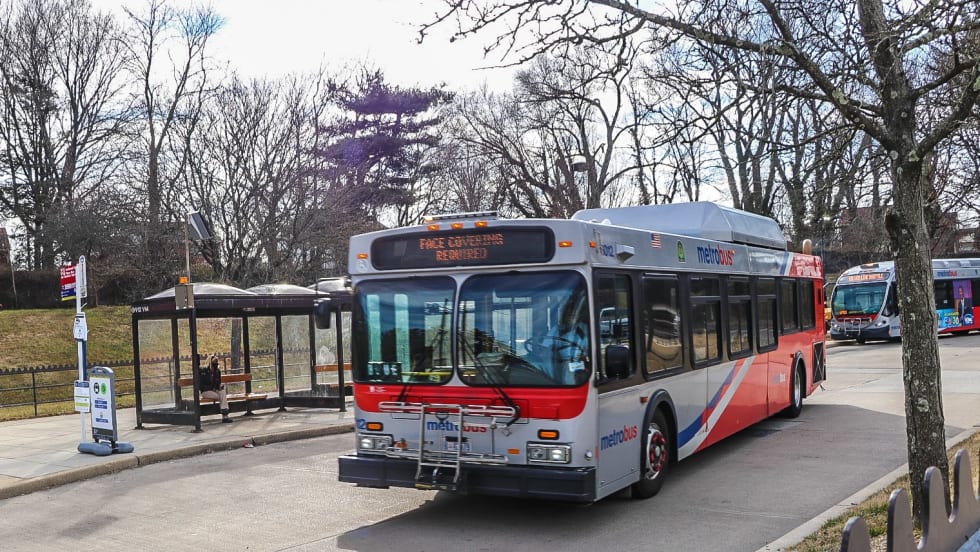
Report: Transit Bus Manufacturing Supports 34,100 Jobs, $5.1B in GDP
The “Buses Mean Business” report examines the transit bus manufacturing industry’s economic footprint, supply chain, and rising demand for vehicle replacements.
Read More →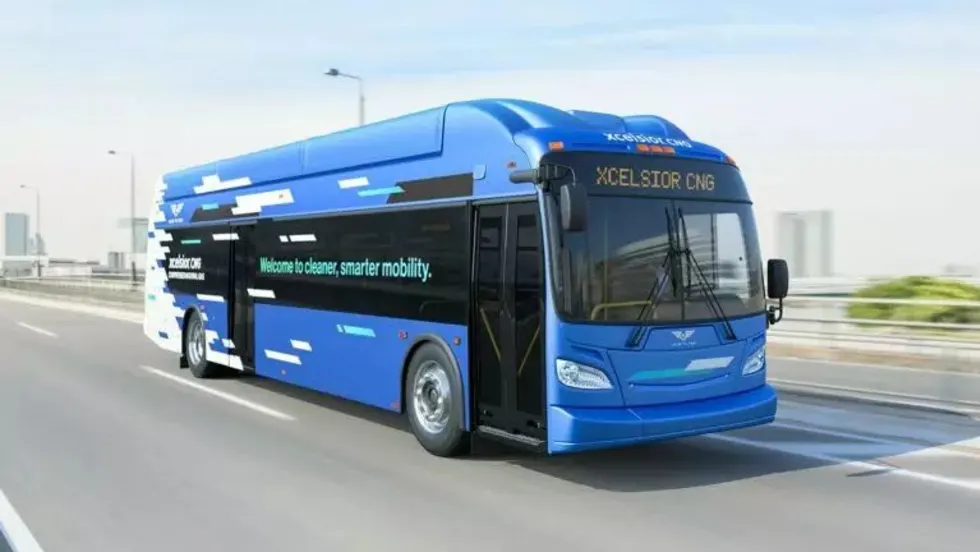
Biz Briefs: New Flyer Delivers in Columbus, Houston, Beep and Freebee Merge, and More
In this edition of Biz Briefs, we spotlight the latest developments shaping the future of mobility.
Read More →
People Movement: Dan Dipert Coaches Adds Third-Generation Leader, Keolis Names New Valley Metro VP/GM, and More
In this edition, we also cover recent appointments and announcements at the Wabtec, SilverRide, HNTB, and more, showcasing the individuals helping to shape the future of transportation.
Read More →
New York MTA Plans Largest Bus Fleet Upgrade in More Than a Decade
The agency is seeking manufacturers for 650 new CNG buses to replace aging vehicles, improve reliability, and advance its broader fleet modernization strategy.
Read More →
Building a Flexible Path to Transit Electrification
John Hroncich discusses BAE Systems’ modular and scalable approach, lessons learned from decades of real-world operations, and how agencies can identify electrification strategies that fit their fleets.
Read More →
Bus Tech Talk: Keeping Transit Technicians Ahead of the Technology Curve
LA Metro’s Obed Mejia discusses technician training, evolving maintenance technology, fleet replacement, and strategies for getting the most out of today’s transit fleets.
Read More →
Biz Briefs: RIPTA Unveils New Frontrunners, Clevland RTA Adds New Siemens, and More
In METRO's latest installment, we take a look at recent news from Siemens, Prevost, Dodge, and more partnerships making headlines across the transportation sector.
Read More →
People Movement: Holly Arnold Joins Transdev and More
In this edition, we also cover recent appointments and announcements at Pace, CamTran, MCI, and more, showcasing the individuals helping to shape the future of transportation.
Read More →
The High Cost of Transit Buses: Industry Leaders Look to Procurement Reform
Transit leaders and policymakers examine how standardized bus designs, streamlined procurement, and predictable funding could help agencies stretch budgets and deliver better service.
Read More →
The Business Voice Behind Public Transportation
As chair of APTA’s Business Members Board of Governors, Ray Melleady explains how more than 850 business members are partnering with transit agencies to advance funding, innovation, and industry-wide collaboration.
Read More →