




RELATED: Autonomous Vehicles Have Potential to Deliver Array of Benefits
NATCO releases city policy, design steps for autonomous vehicles
Considerations for cities to improve safety, prioritize people and public space, strengthen mass transit, and manage curb space for automated vehicles.
November 3, 2017
The Blueprint for Autonomous Urbanism is a series of modules and will expand to cover various topics as transportation technologies develop. Photo: NACTO
1 min to read

The National Association of City Transportation Officials (NACTO) announced the release of the Blueprint for Autonomous Urbanism, a street design document that envisions future cities built with autonomous vehicles in mind.
A steering committee from NACTO’s 61 member cities and transit agencies developed the blueprint, which outlines policy and design steps for cities to improve safety, prioritize people and public space, strengthen mass transit, and manage curb space for automated vehicles. The document was funded by Bloomberg Philanthropies.
The Blueprint for Autonomous Urbanism is a series and will expand and adapt as transportation technologies emerge and evolve. The first blueprint module centers on pedestrian and cyclist safety, fixed-route mass transit, and curbside management.
Future modules of the Blueprint will address roadway pricing, data partnerships with the private sector, regional planning, designing autonomous networks, and autonomous freight delivery needs.
More New Mobility
New Tricks for Old Bureaucracies: Joshua Schank on Making Transit Innovation Stick
Former LA Metro Chief Innovation Officer Joshua Schank discusses why good ideas aren't enough, how transit agencies can overcome resistance to change, and why today's challenges demand more innovation.
Read More →
How DART's GoPass Is Redefining Regional Mobility
Serving 14 transit agencies, GoPass simplifies multimodal travel by allowing riders to plan, pay for, and manage an entire trip through one app.
Read More →
Biz Briefs: OCTA Taps Clean Energy for Hydrogen Station, Stadler to Supply Via Rail Vehicles, and More
From manufacturers and suppliers to transit agencies and motorcoach operators, these updates offer a snapshot of the projects, partnerships and business moves driving the industry forward.
Read More →
CharterUP Expands Into New Mobility and Autonomous Transportation
Vice President of New Mobility Stephen Joos discusses how CharterUP is leveraging its nationwide transportation network, technology platform, and autonomous vehicle partnerships to expand into workforce mobility, campus shuttles, and transit solutions.
Read More →
METRO Magazine Announces 2026 Innovative Solutions Awards Winners
Projects Recognized for Advancing Mobility Through Technology, Accessibility, Workforce Innovation, and Operational Excellence
Read More →
Biz Briefs: STV teams with Amtrak, Motorcoach Operators Boost Fleet and Land Contracts, and More
From manufacturers and suppliers to transit agencies and motorcoach operators, these updates offer a snapshot of the projects, partnerships and business moves driving the industry forward.
Read More →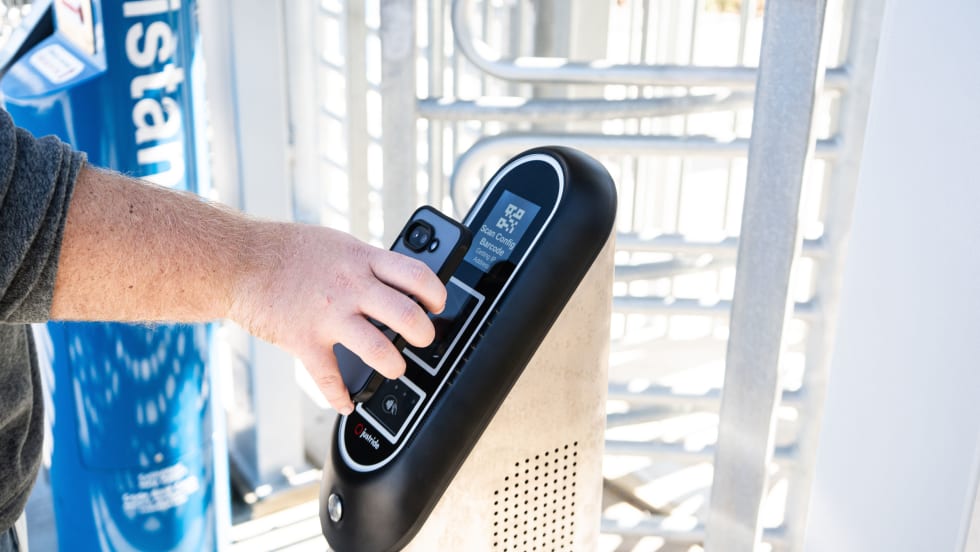
Biz Briefs: Masabi Teams with St. Louis Metro and More
In METRO's latest installment, we take a look at recent news from Transdev, Hitachi, and more partnerships making headlines across the transportation sector.
Read More →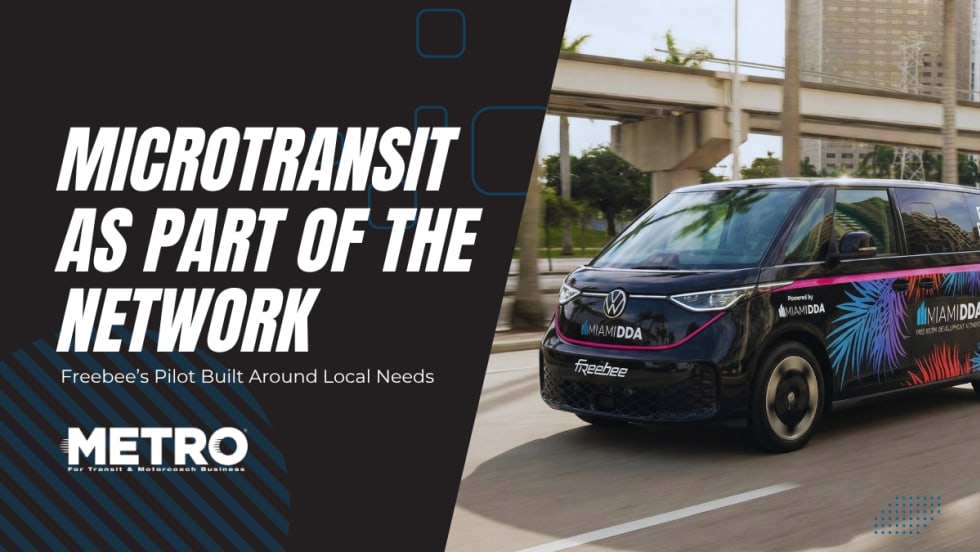
Microtransit's Next Test: Becoming Part of the Network
Freebee shows how electric microtransit is moving beyond pilots to fill network gaps, connect riders to transit, and prove lasting value.
Read More →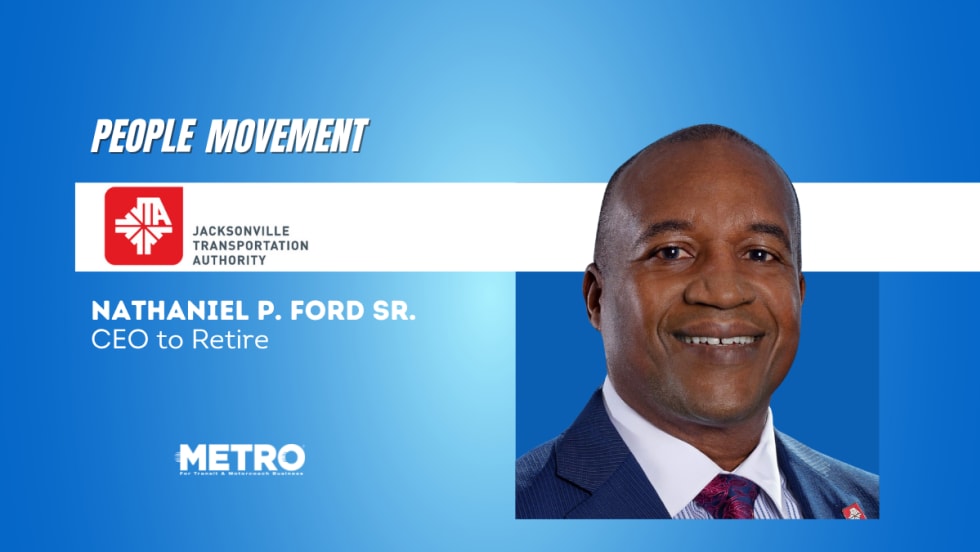
Ford to Leave JTA After More Than 10 Years as CEO
He plans to continue his work advancing innovative mobility solutions to improve the quality of life in communities across the nation. He did not announce specific plans.
Read More →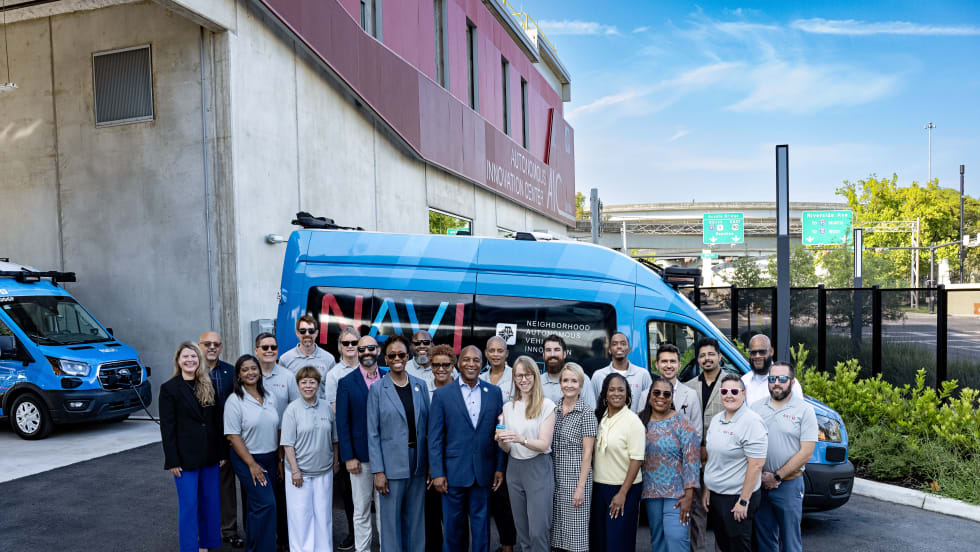
Florida's JTA Marks One Year NAVI Anniversary
During its first year of operation, NAVI has transported over 15,200 passengers and traveled more than 61,000 miles in autonomous mode without a safety incident caused by the autonomous driving system.
Read More →