




RELATED: Electric buses are cleaner in all parts of U.S., study finds
New 'clean' vehicle, fuel policies can cut pollution by 35% by 2030
Transportation is now the biggest source of global warming pollution in the Northeast and Mid-Atlantic, according to study.
October 22, 2018
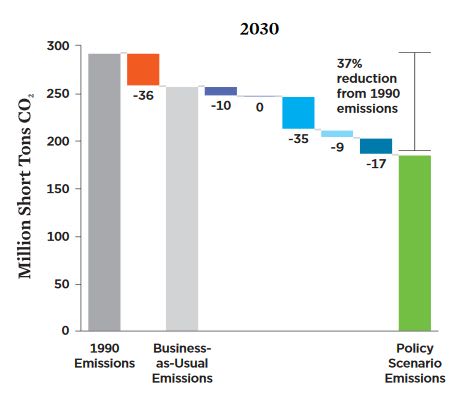
A new push for cleaner vehicles and fuels can reduce pollution from transportation by 35% by 2030 and deliver a broad range of benefits to communities across the Northeast and Mid-Atlantic region. Credit: Union of Concerned Scientists
2 min to read
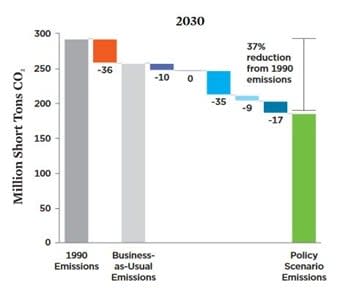
A new push for cleaner vehicles and fuels can reduce pollution from transportation by 35% by 2030 and deliver a broad range of benefits to communities across the Northeast and Mid-Atlantic region.
Union of Concerned Scientists
Transportation is now the biggest source of global warming pollution in the Northeast and Mid-Atlantic — and across the region, the transportation system, including roads, highways and public transit routes, is outdated and inefficient, according to a new study.
A new push for cleaner vehicles and fuels can reduce pollution from transportation by 35% by 2030 and deliver a broad range of benefits to communities across the Northeast and Mid-Atlantic region. That’s the finding of a new analysis from Union of Concerned Scientists (UCS) and the consulting firm M.J. Bradley & Associates. States have an opportunity to make a difference by improving efficiency, increasing access to electric vehicles and bringing more low-carbon fuels to the market.
The new analysis shows that with smart policies, states can accelerate the deployment of advanced technologies to build the cleaner transportation system we need for the future. That includes making cars, trucks and buses more fuel-efficient; speeding up the deployment of electric vehicles of all sizes, and the infrastructure to support them; and making more low-carbon fuels available to power vehicles. These policies need to be developed through an open public process so that a broad range of communities can work together to build a modern transportation system.
These steps won’t just help Northeastern and Mid-Atlantic states cut pollution — they’ll come with real benefits to consumers and communities. According to the new research, these policies can:
Reduce consumer spending on gasoline and diesel fuel by more than $125 billion by 2030 and more than $1 trillion by 2050.
Cut global warming emissions, relative to 1990 levels, by 37% in 2030 and 78% in 2050.
Reduce air pollution and its damaging health impacts, saving more than $3 billion in cumulative health costs by 2030 and $30 billion by 2050.
Along with investments in cleaner vehicles and fuels, states must ensure that:
The transportation system of the future provides access and opportunity to everyone — including low-income communities, people of color, older people and those with disabilities, and rural dwellers.
A modern transportation system won’t be sustainable unless it’s designed with input from communities and with an intentional focus on equity.
These investments should go hand-in-hand with public transit, walking and biking infrastructure, and affordable housing to make sure everyone can get where they need to go.
The fact sheet is part of a larger study, including in-depth state-by-state analysis of the positive impacts of clean transportation policies.
More Management
LIT Marks 10-Year Milestone at Annual Summit
Hosted by the COTA from September 10 to 13, the Summit carried the theme “Celebrating 10 Years of Excellence, Leadership, and Impact,” with every part of the program honoring the people, agencies, and partners who built LIT over its first decade.
Read More →
People Movement: Dan Dipert Coaches Adds Third-Generation Leader, Keolis Names New Valley Metro VP/GM, and More
In this edition, we also cover recent appointments and announcements at the Wabtec, SilverRide, HNTB, and more, showcasing the individuals helping to shape the future of transportation.
Read More →
METRO Opens Submissions for 2026 Motorcoach Awards
Nominations are now being accepted for METRO Magazine’s Operator of the Year and Innovative Operator of the Year awards.
Read More →

New York MTA Advances Final Contract for Second Avenue Subway Expansion
Contract Four is the largest in the Second Avenue Subway Phase 2 project and includes construction of station infrastructure, tracks, and signals for the subway expansion, MTA officials said. Work on Contract Four will begin in 2027.
Read More →
Transit Agencies Highlight Safety Gains at National Summit
Leaders from 15 major transit systems shared crime-reduction results and safety initiatives while discussing the role of continued federal support.
Read More →
NITA Names New Leadership, Expands Reduced-Fare Program at First Board Meeting
The new regional transit authority appointed its first board chair and interim executive director while extending reduced fares across CTA, Metra, and Pace for eligible riders.
Read More →
Beyond the Checklist: A Structured Approach to Transit Maintenance
Reliability-Centered Maintenance helps transit agencies move beyond routine checklists to focus limited resources on the assets and failures that have the greatest impact on safety, reliability, and service.
Read More →
APTA 2026 Nominating Committee Selects Leadership Slate, Names Chair and Vice Chair Nominees
Leadership changes will help shape the association’s priorities and its representation of the transportation industry during the 2026–2027 term.
Read More →
DART Launches Major Security, Fare Enforcement Initiative
The 90-day demonstration will deploy coordinated security teams at five light rail stations while testing controlled access and gathering data to guide future investments.
Read More →
Sponsored•September 9, 2026
Advancing Fare Collection Through Technology and Innovation
Learn about delivering 1300 gates at 91 stations while managing fare evasion. Explore the large scale deployment, solution customization and real-world results that affect the region. Prepare for deployment in your region now.
Read More →