




RELATED: Jacksonville transit CEO, Ford talks 'Route Optimization'
New Remix transit planning tool helps agencies design, improve routes
The new software enables transportation planners to quickly sketch out potential routes and understand the impacts on riders and budgets.
December 1, 2015
Remix
3 min to read
Remix
Remix, formerly TransitMix, announces the official launch of its public transport planning platform. The new software enables transportation planners to quickly sketch out potential routes and understand the impacts on riders and budgets.
According to the Transportation Planning Capacity Building Program, precise and informed urban transit planning is much more than drawing a line on a map: It involves developing strategies for operating, managing, maintaining, and financing an area's transportation system. A well-planned transit system influences patterns of growth and economic activity for an entire community.
Remix uses open-source technology and open-source data, including the General Transit Feed Specification and Census data, to give planners all the information they need to make informed transit planning decisions. The user-friendly platform allows transit planners to rapidly sketch routes, automatically see the changes in impact, and make informed decisions based on credible data calculations.
The software was designed to speed up and streamline outdated planning practices. Instead of designing routes by hand with paper maps, highlighters, and spreadsheets, Remix makes it as easy as using Google Maps. Transit planners simply select stops along a route, and are presented — in real-time — with relevant demographic data on the same page, allowing them to assess costs and effects on local communities. As a result, Remix gives transit planners the power to rapidly predict the "what if?" questions about all aspects of a project.
"Remix makes the manual process of planning transit automatic. We had the big super-spreadsheet, and we'd have to calculate that we'd pay our contractor X and that our service costs are Y. We'd put it in Google Earth to get an estimate of how long the route is, then run it and see what happens," says Mark Kirstner, director of planning for the Piedmont Authority for Regional Transportation in North Carolina. "Remix really helps with visualization and being able to test out different solutions on the fly."
Used for more than just mapping, Remix gathers the information that a transit planner would need to gain internal and external approval. It allows for automatic visualization of service and financial trade-offs, creating a more seamless public approval process for proposed improvements. The program also contains a feedback tool to build consensus from a larger audience, allowing the general public to share their opinions on new routes.
The founders first met at Code for America, and their platform is currently used by more than 50 agencies around the world, such as AC Transit in Oakland, Calif., the Piedmont Authority for Regional Transportation in North Carolina, Calgary Transit in Alberta, and Public Transport Victoria in Melbourne. Over 5% of transit agencies in the U.S. are already working with Remix and range in size from Sandusky, Ohio, to Miami-Dade County, Fla.
"Imagine designing and building a plane without a computer simulation. You wouldn't find out until the very end if it worked," said Sam Hashemi, CEO and co-founder of Remix. "The same thing happens in public transit. For decades, planners have been struggling with highlighters, maps and calculators. Remix removes the manual work and gives planners confidence in their decisions."
More Management
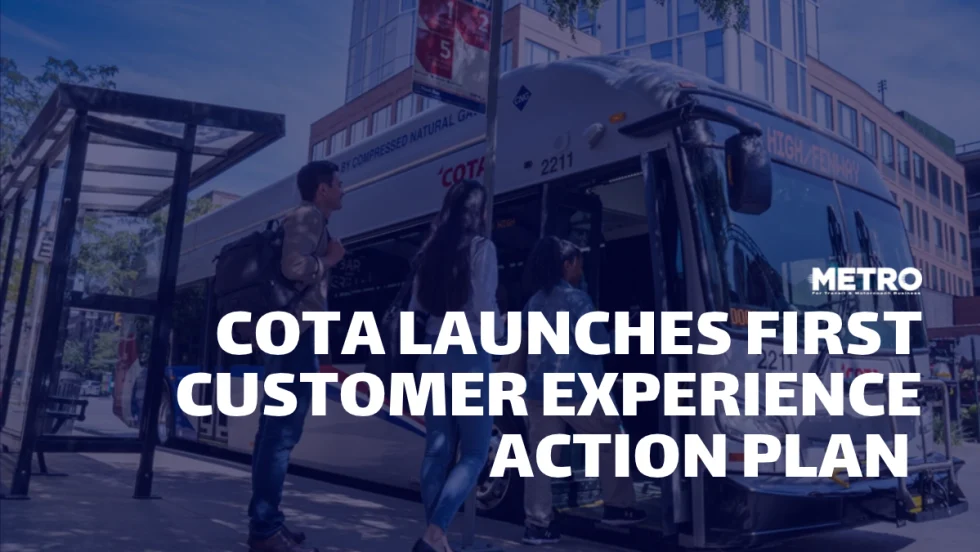
COTA Launches First Customer Experience Action Plan to Improve Transit Service
The new plan outlines improvements to service reliability, accessibility, communication, and the overall rider experience across Central Ohio's transit system.
Read More →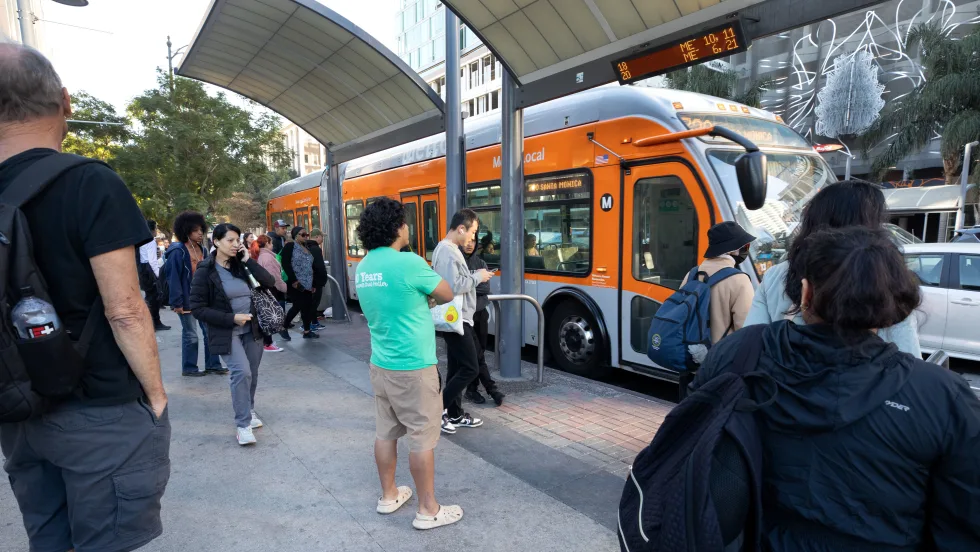
LA Metro September Ridership Climbs 3.9%, Led by Rail Growth
The agency recorded more than 27.2 million boardings, with rail ridership increasing 12.4% year over year and the D Line posting the largest gains.
Read More →
Utilimarc Launches SmartReplace to Optimize Fleet Replacement Decisions
AI-powered SmartReplace helps fleets prioritize vehicle replacements, model budget scenarios, and build more defensible long-term strategies.
Read More →
APTA Honors 2026 Award Winners, Hall of Fame Inductees at TRANSform & EXPO
Innovations in autonomous and zero-emission transportation, standout transit systems, and industry leadership took center stage among this year's honorees.
Read More →
7 Ways to Build a Better Transit Internship Program
Lessons from DRPA/PATCO’s approach to creating a meaningful internship experience—and developing the next generation of transportation professionals.
Read More →
Scenes from APTA TRANSform & EXPO 2026
Transit leaders, manufacturers, and industry professionals gathered in Chicago to explore new technologies, share ideas, and discuss the future of public transportation.
Read More →
Building Stronger Leaders, More Resilient Transit Teams
Dr. Carol Parker Walsh discusses leadership development, employee retention, workplace culture, and preparing transit’s workforce for AI and automation.
Read More →
APTA 2026 TRANSform & EXPO Kicks Off in Chicago
After 45 years, APTA returns to Chicago with a focus on next-generation fleets, AI, connected transit networks, and the funding strategies shaping public transportation’s future.
Read More →
New York MTA Warns Federal Tariffs Could Add $1 Billion to Rolling Stock Costs
The agency said tariffs on specialized imported components could reduce the purchasing power of its $23 billion investment in new subway cars, railcars, and buses.
Read More →
From the Show Floor: What Happened at APTA TRANSform & EXPO 2026
See the latest product launches, partnerships, technology updates, and transit industry announcements from APTA TRANSform & EXPO in Chicago.
Read More →