




RELATED: Takeaways from Denver's Driverless Shuttle Deployment
New report tests driver interaction when autonomous tech goes wrong
Gives suggestions on what mobility and infrastructure changes may need to be implemented to ensure safety on roadways.
August 23, 2019
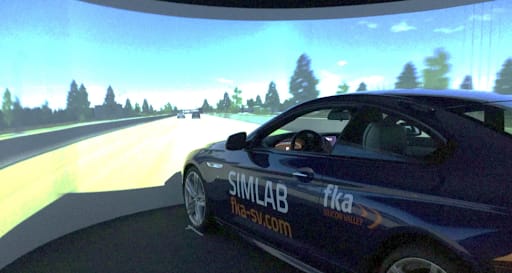
The report takes into consideration how AVs can affect roadways and drivers.
MTI
2 min to read
The report takes into consideration how AVs can affect roadways and drivers.
MTI
A new study looks at how humans interact with autonomous vehicles if it loses control while on the road.
The Mineta Transportation Institute published the report, Analysis of Disengagements in Semi-Autonomous Vehicles: Drivers’ Takeover Performance and Operational Implications, which explores this case scenario. It measured how quickly and deliberately the car alerted drivers and how efficiently the driver could effectively react and take control.
The study tested 40 individuals starting at 18 years old to 55 years plus. Each driver was placed in a car simulator capable of handling both human and autonomous driving. The test measured response times and vehicle drift from a centerline under several different scenarios.
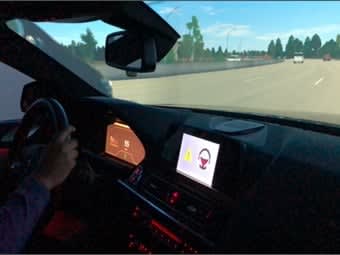
Each driver was placed in a car simulator capable of handling both human and autonomous driving.
MTI
Key results showed that between two different speed settings (high speed of 65 mph and a low speed of 55 mph), the lower speed yielded better performance.
Out of all the three different age groups tested, the older participants performed better in overall driving and driving after autonomous technology failure.
Researchers also found that individuals tended to increase their speed and steer after taking control of the vehicles, as opposed to braking. About half of the drivers also reported not seeing the visual warning on the central console but did hear the auditory warnings.
The report takes into consideration how AVs can affect roadways and drivers. It gives suggestions on what mobility and infrastructure changes may need to be implemented to ensure safety while operating autonomous technologies.
More Technology
Roman Cornell on ABC Companies’ Evolution and the Future of Passenger Transportation
The company’s CEO discusses carrying forward a third-generation family legacy, ABC’s continued evolution in passenger transportation, support for increasingly complex fleets, and how technology and continued investment could help operators improve uptime.
Read More →
ETA CEO John Maglio on Transit Technology, Innovation, and Building Agency Trust
ETA founder and CEO John Maglio explores the evolution of transit technology, the importance of reliable systems, and how stronger partnerships can help agencies improve operations and the passenger experience.
Read More →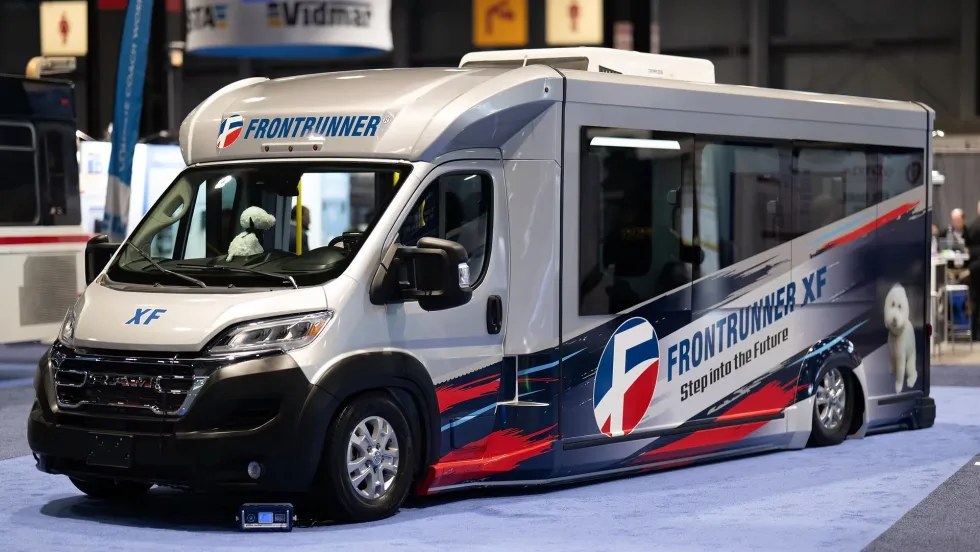
Frontrunner Bus Group Introduces XF Low-Floor Bus with Enhanced Accessibility
The new mid-sized bus features a full flat-floor design, eight-inch curbside step-in height, and zero-entry rear ramp to improve passenger access and operational flexibility.
Read More →
Building a Flexible Path to Transit Electrification with BAE's John Hroncich
John Hroncich discusses BAE Systems’ modular and scalable approach, lessons learned from decades of real-world operations, and how agencies can identify electrification strategies that fit their fleets.
Read More →
Scenes from APTA TRANSform & EXPO 2026
Transit leaders, manufacturers, and industry professionals gathered in Chicago to explore new technologies, share ideas, and discuss the future of public transportation.
Read More →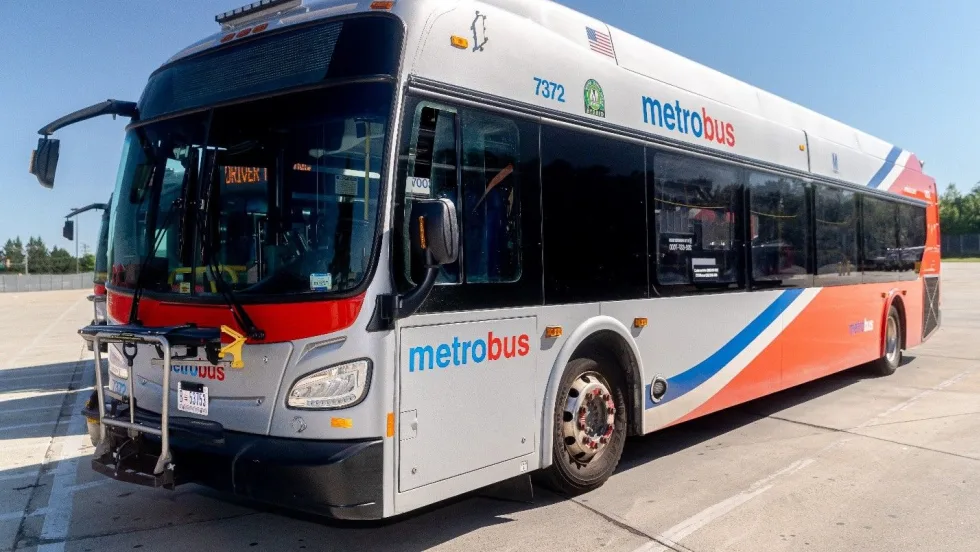
Biz Briefs: New Flyer Secures Additional 100-Bus Order from WMATA and More
In METRO's latest installment, we also take a look at recent news from Masabi, MCI, Samsara, and more partnerships making headlines across the transportation sector.
Read More →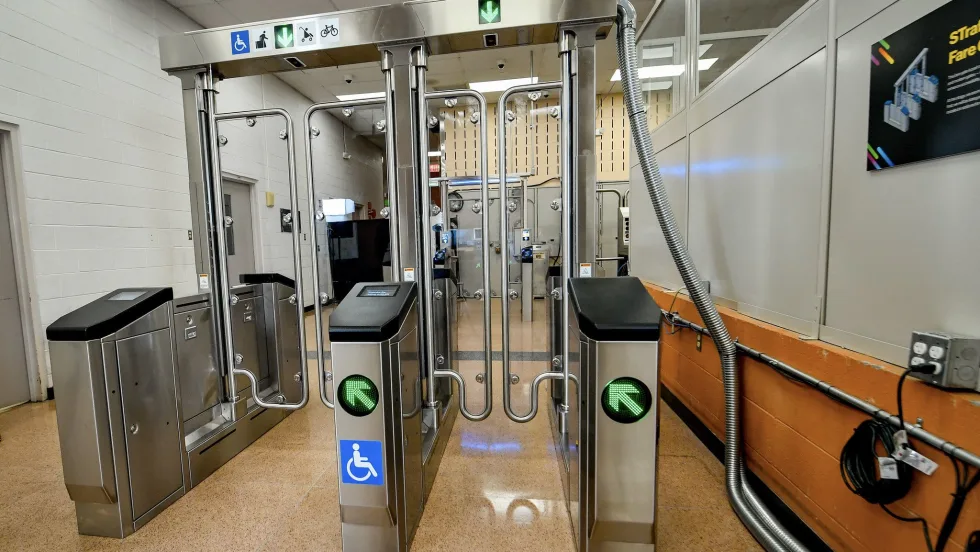
MTA Fare Gate Pilot Reduces Fare Evasion by 35%
Following a 20-station pilot, the agency plans to install new fare gates at 20 additional subway stations as part of a $1.1 billion modernization initiative.
Read More →
California Law Extends AC Transit’s Bus Lane Camera Enforcement
The new law allows AC Transit to continue using forward-facing bus cameras to enforce parking violations in bus-only lanes and at bus stops.
Read More →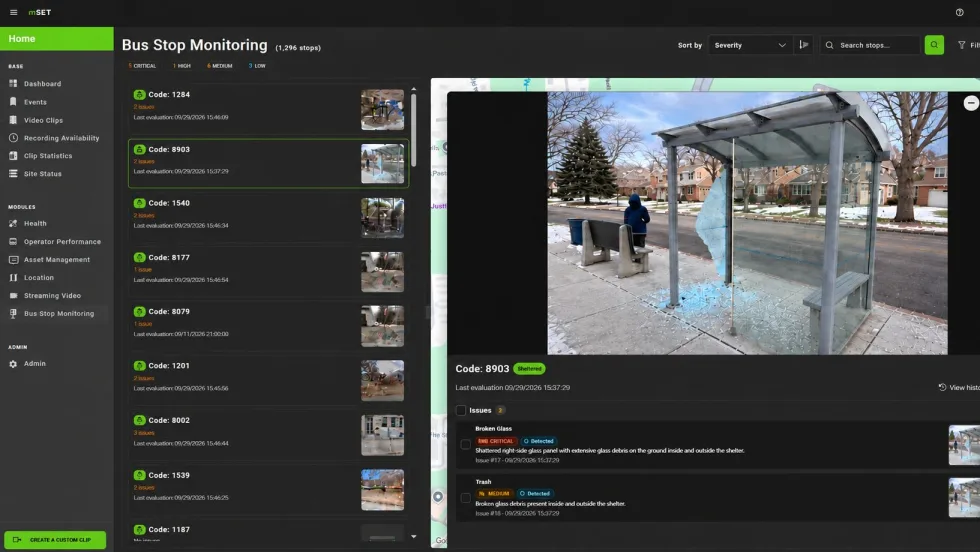
Biz Briefs: Luminator Launches AI Technology to Monitor Bus Stop Conditions and More
In METRO's latest installment, we also take a look at recent news from Masabi, Troman Industries, ioki, CCW, and more partnerships making headlines across the transportation sector.
Read More →
Public Transit Conference Returning to GFX in 2027, Call for Papers Now Open
The Call for Papers is now open, allowing transit agency professionals and industry experts to help shape the PTC educational program by submitting session ideas for consideration.
Read More →