




RELATED: WMATA submits RFP to install solar panels for revenue
New RIPTA buses equipped with solar panels to boost battery life
For RIPTA, maximizing battery life and performance will represent a savings estimated at more than $80,000 a year.
January 13, 2020
2 min to read
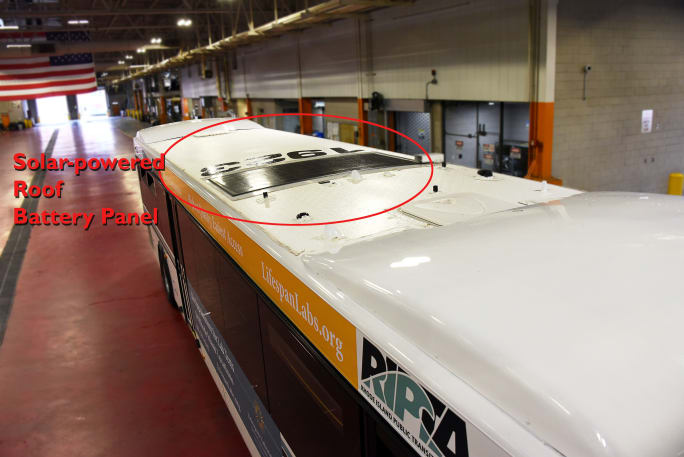
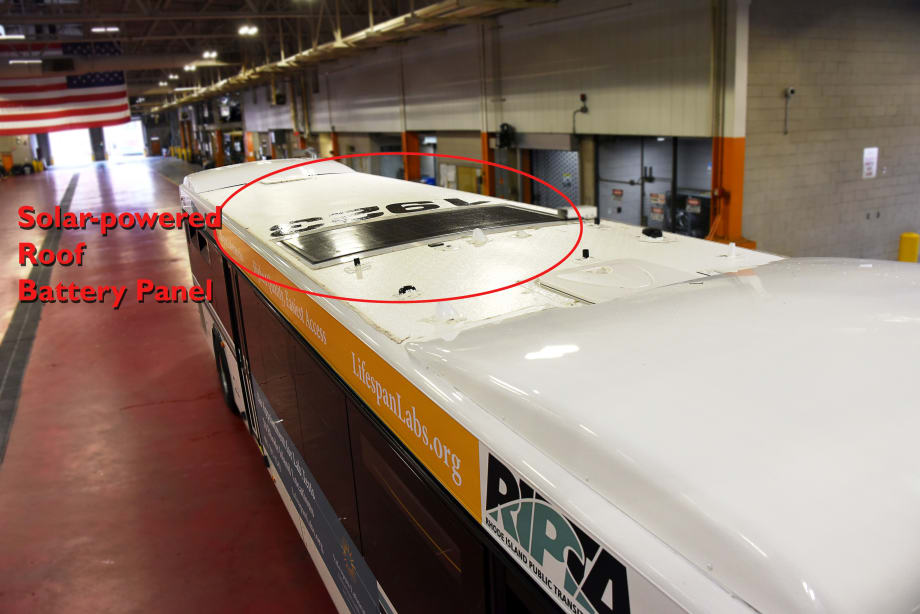
RIPTA's new Gillig buses are equipped with solar panels that are flexible and can conform to the vehicle they are fitted for. RIPTA
The Rhode Island Public Transit Authority (RIPTA) announced today that the agency's new 2019 buses are equipped with solar panels to optimize vehicle battery performance and life.
The thirty-three new buses, manufactured by GILLIG in California, are part of regular fleet refurbishment and replace older buses that are being retired.
Manufactured by eNow Inc. of Warwick, R.I., the systems use solar energy to optimize battery life performance, resulting in more reliability when buses are started and less strain on the alternator throughout the day as the vehicles operate auxiliary systems such as on-board electronics. The solar energy is captured by lightweight panels installed on the roofs of the buses. The Rhode Island Commerce Corp. is helping to finance the project with a renewable energy grant of $42,800 that covered about two thirds of the cost.
Scott Avedisian, RIPTA’s Chief Executive Officer, noted that the decision to purchase the solar panels was made after RIPTA worked with eNow for more than two years on a pilot program to test the effectiveness of their solar panels on buses.
While the eNow solar systems on the new RIPTA buses optimize battery performance and battery life, the trucking industry has already been using this technology to reduce CO2 emissions. Most trucks need to use their engines to power auxiliary systems such as heating and air conditioning, safety lighting, and refrigeration units. Trucks equipped with the eNow solar systems can operate those systems without keeping their engines running, therefore reducing their use of diesel fuel and dramatically reducing greenhouse gas emissions.
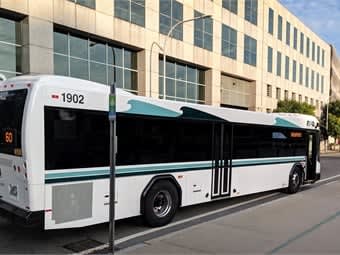
The thirty-three new buses, manufactured by GILLIG in California, are part of regular fleet refurbishment and replace older buses that are being retired. RIPTA
For RIPTA, maximizing battery life and performance will represent a savings estimated at more than $80,000 a year. Each of the new 2019 buses is equipped with two batteries, which cost about $365 each. With the eNow system, RIPTA will need to replace batteries less frequently and will also save on costly road calls.
Avedisian said that RIPTA will explore the feasibility of having the panels installed on more buses in the future. Weighing only 19 pounds and not much thicker than a couple of credit cards stacked together, the solar panels are flexible and can conform to the vehicle they are fitted for. They draw on solar power to keep batteries at optimum levels — improving performance and extending the life of the batteries.
The Commerce Corp. provided the grant through the Renewable Energy Fund (REF). The fund provides grant and loan opportunities for renewable energy technologies for commercial and public projects.
More Bus

New York MTA Plans Largest Bus Fleet Upgrade in More Than a Decade
The agency is seeking manufacturers for 650 new CNG buses to replace aging vehicles, improve reliability, and advance its broader fleet modernization strategy.
Read More →
Building a Flexible Path to Transit Electrification
John Hroncich discusses BAE Systems’ modular and scalable approach, lessons learned from decades of real-world operations, and how agencies can identify electrification strategies that fit their fleets.
Read More →
Bus Tech Talk: Keeping Transit Technicians Ahead of the Technology Curve
LA Metro’s Obed Mejia discusses technician training, evolving maintenance technology, fleet replacement, and strategies for getting the most out of today’s transit fleets.
Read More →
Biz Briefs: RIPTA Unveils New Frontrunners, Clevland RTA Adds New Siemens, and More
In METRO's latest installment, we take a look at recent news from Siemens, Prevost, Dodge, and more partnerships making headlines across the transportation sector.
Read More →
People Movement: Holly Arnold Joins Transdev and More
In this edition, we also cover recent appointments and announcements at Pace, CamTran, MCI, and more, showcasing the individuals helping to shape the future of transportation.
Read More →
The High Cost of Transit Buses: Industry Leaders Look to Procurement Reform
Transit leaders and policymakers examine how standardized bus designs, streamlined procurement, and predictable funding could help agencies stretch budgets and deliver better service.
Read More →
The Business Voice Behind Public Transportation
As chair of APTA’s Business Members Board of Governors, Ray Melleady explains how more than 850 business members are partnering with transit agencies to advance funding, innovation, and industry-wide collaboration.
Read More →
From Surviving to Thriving: Building Stronger Transportation Organizations
Bus Business Consultants founder Brian Dickson shares lessons on leadership, organizational health, and creating options for long-term success in a changing transportation industry.
Read More →
Finding the ‘Happy Medium’: Optimizing Maintenance Without Sacrificing Reliability
The key to maintenance optimization isn’t doing less work—it’s doing the right work at the right time on the right assets.
Read More →
LA Metro, City of West Hollywood, and Partners Advance Smarter Bus Lane Enforcement
The award-winning partnership combines AI-powered detection with human oversight to improve bus reliability, accessibility, and enforcement efficiency.
Read More →