



RIPTA leases 3 Proterra electric buses using VW funding
Represents one of the first deployments to use funding from the Volkswagen AG diesel-emissions settlement.

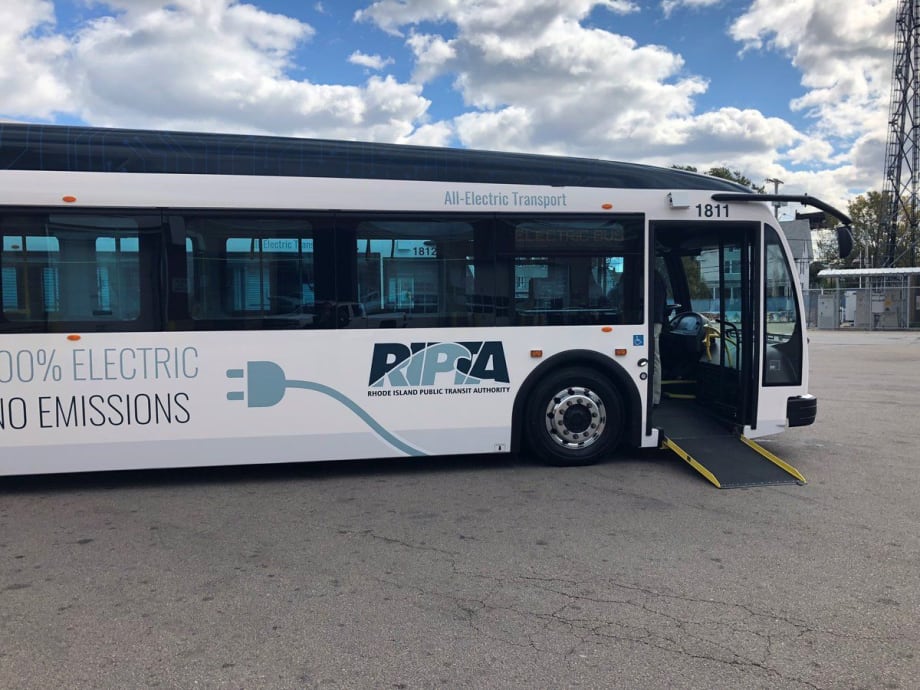
The Rhode Island Public Transit Authority is deploying three 40-foot
Proterra Catalyst® E2 electric buses. Photo: Proterra

The Rhode Island Public Transit Authority (RIPTA) is deploying three 40-foot Proterra Catalyst® E2 electric buses.
Rhode Island received $14.4 million in VW funding and chose to invest the bulk of it in clean transit, with the intent to replace approximately 20 retiring diesel buses with new, all-electric zero-emission vehicles. This deployment marks the first step toward achieving this goal.
The milestone represents one of the first deployments to use funding from the Volkswagen AG (VW) diesel emissions settlement. The lease program provides RIPTA with an opportunity to evaluate the combined economic, environmental and performance benefits of deploying all-electric buses. The buses will be tested extensively and staff will be trained in the maintenance and charging of the vehicles before they are put in service.
This deployment reinforces RIPTA’s commitment to reducing emissions after nearly a decade of sustainable transit initiatives. In 2010, RIPTA began making substantial investments in cleaner vehicles, efficient facilities, green building initiatives and service improvements. Rhode Island currently has 73 hybrid buses and with the addition of zero-emission buses, low- and zero-emission vehicles will comprise approximately 36% of the state's bus fleet. Proterra’s buses will replace three aging diesel buses on current RIPTA transit routes, with a focus on serving communities that suffer from poor air quality and high asthma rates.
“We believe Rhode Island is one of the first states to use VW settlement funds to deploy battery-electric buses and has set an example for other states by committing the majority of its funds to zero-emission transit,” said Proterra CEO Ryan Popple.
More Bus

Biz Briefs: OCTA Taps Clean Energy for Hydrogen Station, Stadler to Supply Via Rail Vehicles, and More
From manufacturers and suppliers to transit agencies and motorcoach operators, these updates offer a snapshot of the projects, partnerships and business moves driving the industry forward.
Read More →
METRO Magazine Announces 2026 Innovative Solutions Awards Winners
Projects Recognized for Advancing Mobility Through Technology, Accessibility, Workforce Innovation, and Operational Excellence
Read More →
Biz Briefs: STV teams with Amtrak, Motorcoach Operators Boost Fleet and Land Contracts, and More
From manufacturers and suppliers to transit agencies and motorcoach operators, these updates offer a snapshot of the projects, partnerships and business moves driving the industry forward.
Read More →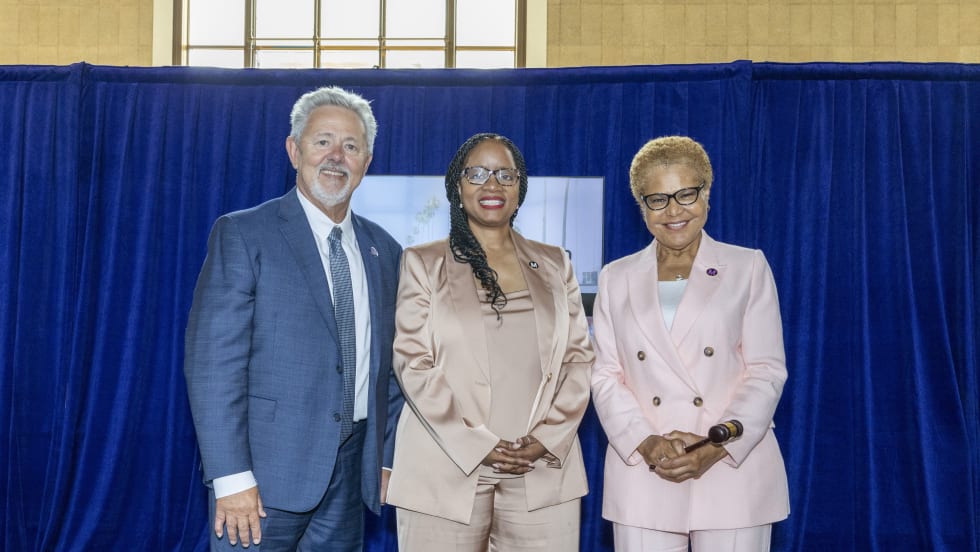
LA Metro Marks Banner Year, Sets Ambitious Goals for New Fiscal Year
Incoming LA Metro Board Chair and Los Angeles Mayor Karen Bass joined outgoing Board Chair Fernando Dutra and LA Metro CEO Stephanie Wiggins to review accomplishments from fiscal year 2026, which included the opening of new rail extensions, advancement of major transit projects, expanded safety programs, and new rider amenities.
Read More →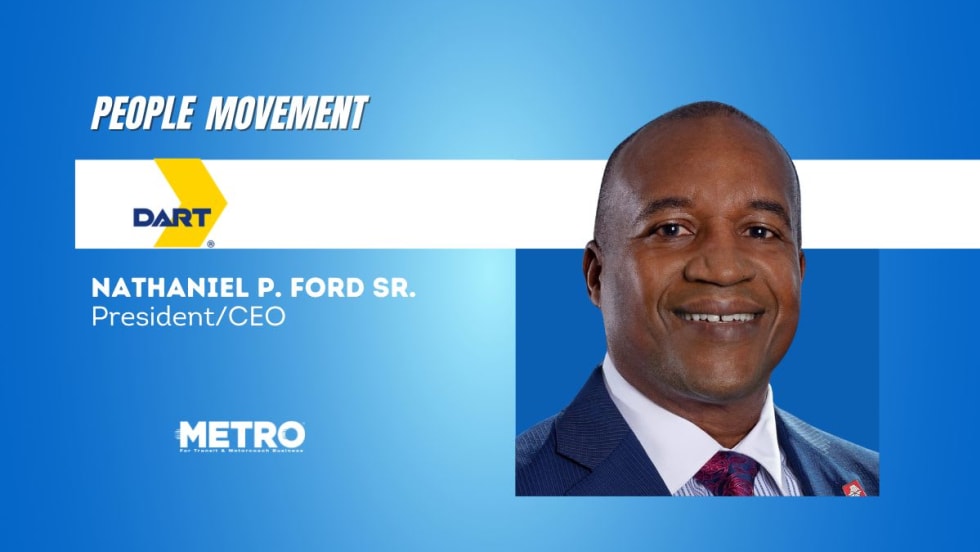
DART Taps Nathaniel P. Ford Sr. as Next President/CEO
Since 2012, Ford has served as the CEO of the Jacksonville Transportation Authority
Read More →
AC Transit’s Cecil Blandon on Building the Next Generation of Transit Maintenance Leaders
The agency’s maintenance chief discusses leadership, workforce development, zero-emission technology, and preparing technicians for the future of public transportation.
Read More →
Building the Next Generation of Transit Technology
In this edition of METROspectives, Luminator CEO Magnus Friberg discusses the company's transformation, the growing role of AI and software, and what's next for transit technology.
Read More →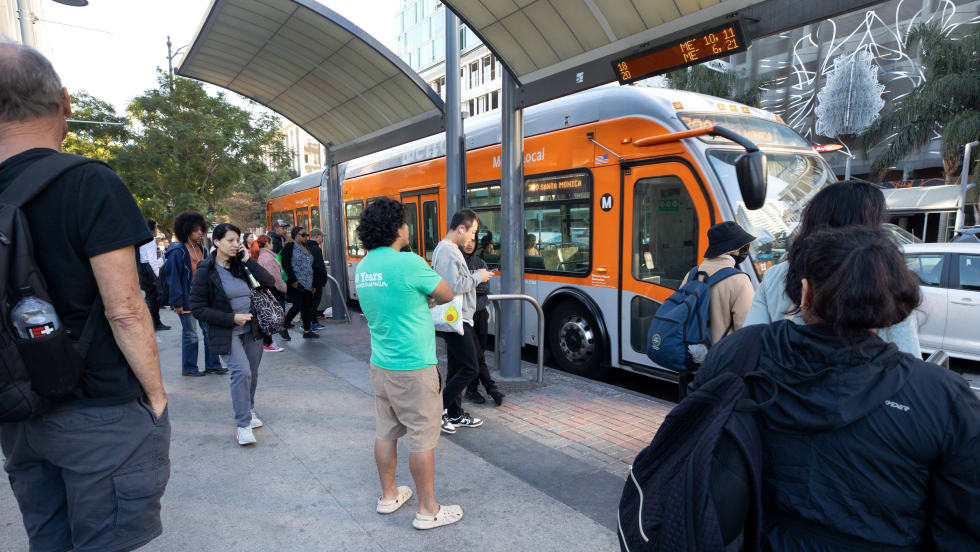
June LA Metro Ridership Surges 2 Million Year Over Year
Total June ridership increased for both weekdays and weekends. Weekday ridership was 953,820, which grew 8.4% from June 2025; Saturdays increased nearly 13% year-over-year to 708,826; and Sundays increased 7.7% to 611,534 from June 2025, according to LA Metro.
Read More →
Washington's Pierce Transit Board Sends Transit Funding Measure to November Ballot
With the adoption of Resolution 2026-006, the measure moves to the Pierce County Auditor, giving voters in the Pierce Transit service area the decision on whether to fund an expansion of local transit service within the agency’s service area.
Read More →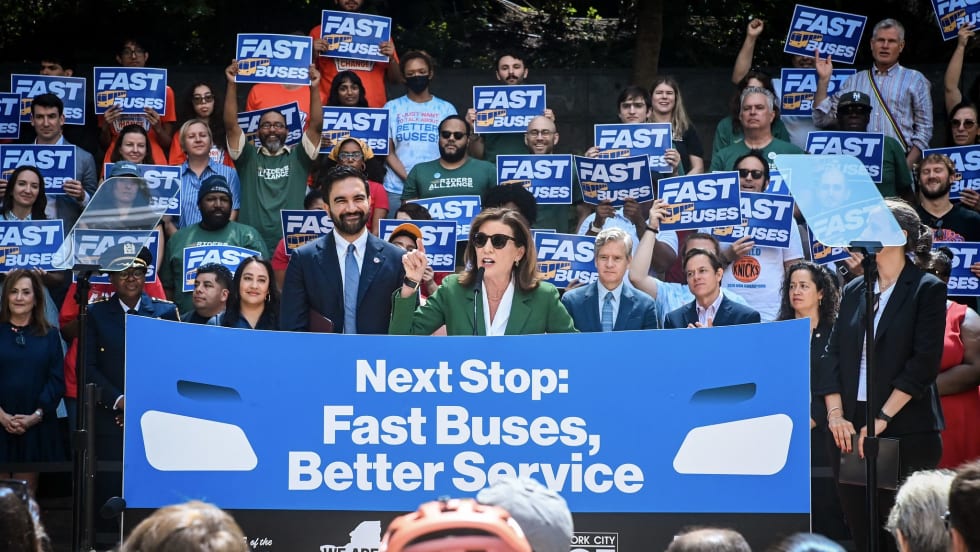
New York Unveils Sweeping Plan to Modernize City Bus Service
Next Stop: Fast Buses, Better Service identifies 50 priority bus corridors for improvements across the five boroughs and launches the City’s next generation of rapid bus service along five key routes.
Read More →