



New York MTA Purchases 265 Zero-Emission Buses
The purchase builds on the 60 zero-emission buses that came last year and is in addition to the 205 zero-emission buses slated to come beginning late this year.

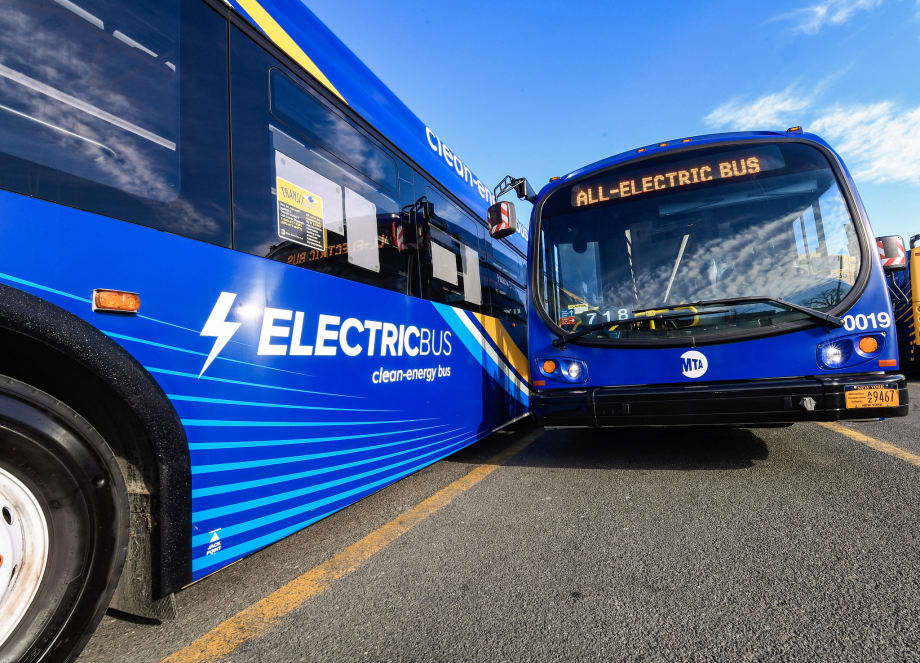
New York MTA's 40-foot buses will reduce greenhouse gas emissions by upwards of 90 metric tons annually per bus.
Photo: Marc A. Hermann
New York’s Metropolitan Transportation Authority (MTA) is purchasing 265 new zero-emission buses that will operate on routes across the city.
The purchase builds on the 60 zero-emission buses that came last year and is in addition to the 205 zero-emission buses slated to come beginning late this year.
MTA’s New Buses
The new 40-foot buses will reduce greenhouse gas (GHG) emissions by upwards of 90 metric tons annually per bus. They feature lightweight electric traction drive systems that allow buses to recover up to 90% of their energy during braking.
“New York City Transit has the largest bus fleet in the country, and we are charging forward with a plan to transition that fleet to cleaner, zero-emission buses,” said New York City Transit President Demetrius Crichlow. “Upgrades to Jamaica Bus Depot and the purchase of 265 new zero-emission buses made possible by Congestion Pricing are a major step forward toward cleaner air and quieter commutes throughout New York City.”
Adding Charging Stations
To support the expansion of charging infrastructure for the zero-emissions bus fleet, the MTA and the New York Power Authority (NYPA) are building new electric bus charging stations, including commissioning automated overhead pantographs that are expected to be operational at Jamaica Depot in fall of 2027.
The design and buildout incorporate the necessary infrastructure improvements to eventually support a full fleet of electric buses that will be assigned to Jamaica Bus Depot. The new depot will further allow the MTA to transition to a fully-electric bus fleet, which will eliminate carbon emissions associated with diesel fuel exhaust, resulting in cleaner air for the city’s residents.
The new depot building will have a green roof, which will not only help clean the air and absorb stormwater, but also act as a form of insulation and reduce the depot’s energy use.
The depot is being constructed in accordance with LEED certification standards, an accredited and globally recognized status of sustainability achievement in construction.
The design of the new bus depot will address residents’ concerns about noise by erecting a sound-deadening barrier wall along 107th Avenue and another along 165th Street.
The walls will shield residents from noise produced by bus depot operations as well as create a visual barrier from the depot itself.
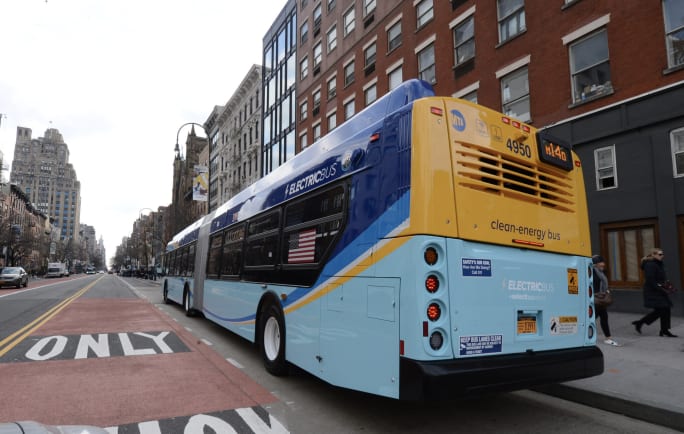
To support the expansion of charging infrastructure for the zero-emissions bus fleet, the MTA and the New York Power Authority are building new electric bus charging stations.
Photo: Marc A. Hermann
Work on Its Way
Infrastructure work has also already begun to deploy 205 additional overhead pantograph charging systems to Gun Hill and Queens Village to support zero-emission buses that will arrive at those depots late this year. In addition, several depots will require electric distribution upgrades in conjunction with Con Edison.
The collaboration between MTA and NYPA will also deploy a sophisticated charge management system to help balance the electrical loads, and a long-term service agreement to help maintain reliable bus charging.
More Zero Emissions
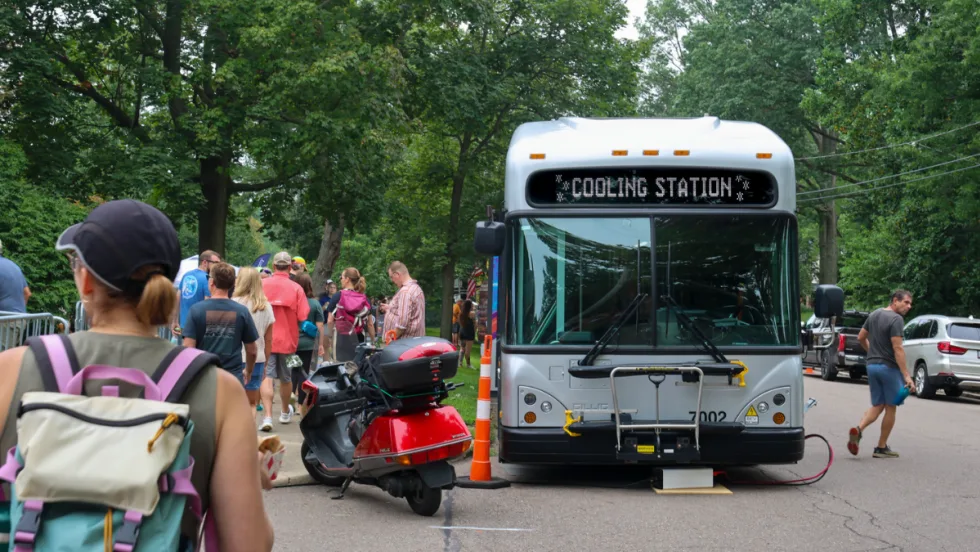
Ohio’s METRO RTA Turns Electric Buses into Mobile Power Sources at PorchROKR
See how three Gillig battery-electric buses powered festival stages while the agency’s new Park & Ride service carried approximately 1,000 attendees, demonstrating another potential use for transit agencies’ electric fleets.
Read More →
CALSTART and Forth Combine to Form Catalyst Mobility
The new name represents a renewed vision for the nonprofit focused on advancing clean, equitable, and affordable transportation solutions that move people and goods.
Read More →
Building a Flexible Path to Transit Electrification
John Hroncich discusses BAE Systems’ modular and scalable approach, lessons learned from decades of real-world operations, and how agencies can identify electrification strategies that fit their fleets.
Read More →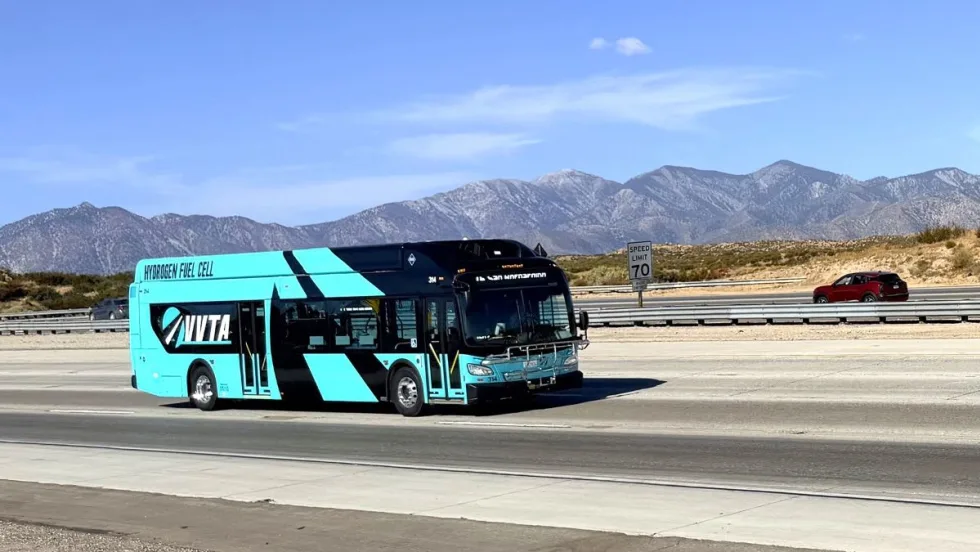
California's VVTA Begins Phased Rollout of Hydrogen Fuel Cell Buses
The agency is introducing 13 zero-emission buses into revenue service while evaluating performance across its urban, rural, and long-distance routes.
Read More →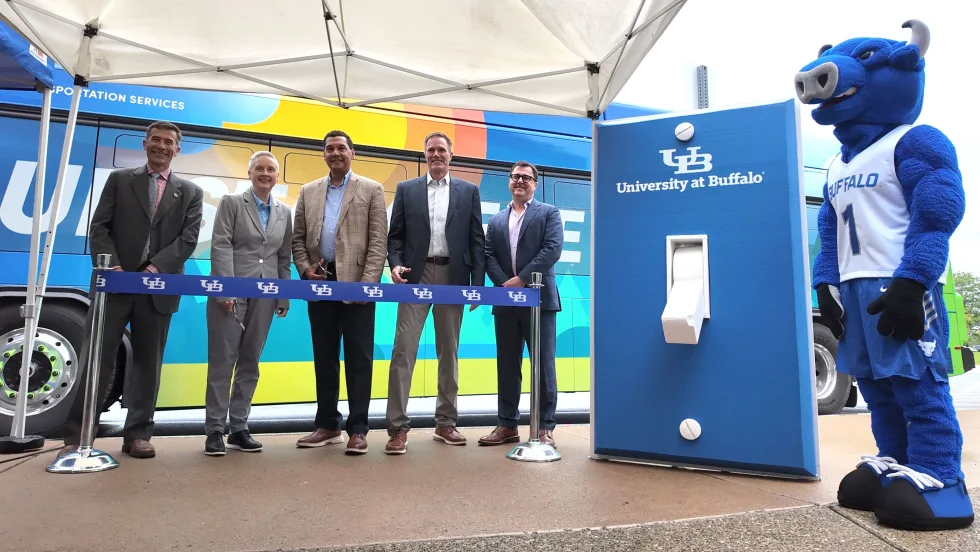
Inside Look: University at Buffalo Puts First 8 Electric Buses Into Stampede Service
UB, transportation solutions provider WeDriveU, and fleet electrification specialist Zenobē marked the deployment in the presence of students, university administrators, and local officials.
Read More →
Biz Briefs: OCTA Taps Clean Energy for Hydrogen Station, Stadler to Supply Via Rail Vehicles, and More
From manufacturers and suppliers to transit agencies and motorcoach operators, these updates offer a snapshot of the projects, partnerships and business moves driving the industry forward.
Read More →
AC Transit’s Cecil Blandon on Building the Next Generation of Transit Maintenance Leaders
The agency’s maintenance chief discusses leadership, workforce development, zero-emission technology, and preparing technicians for the future of public transportation.
Read More →
CTDOT Taps STV for Electric Bus Facility Design
The firm will work with CTDOT and RVT to define the facility layout, operational requirements, and long-term flexibility for RVT’s growing electric fleet.
Read More →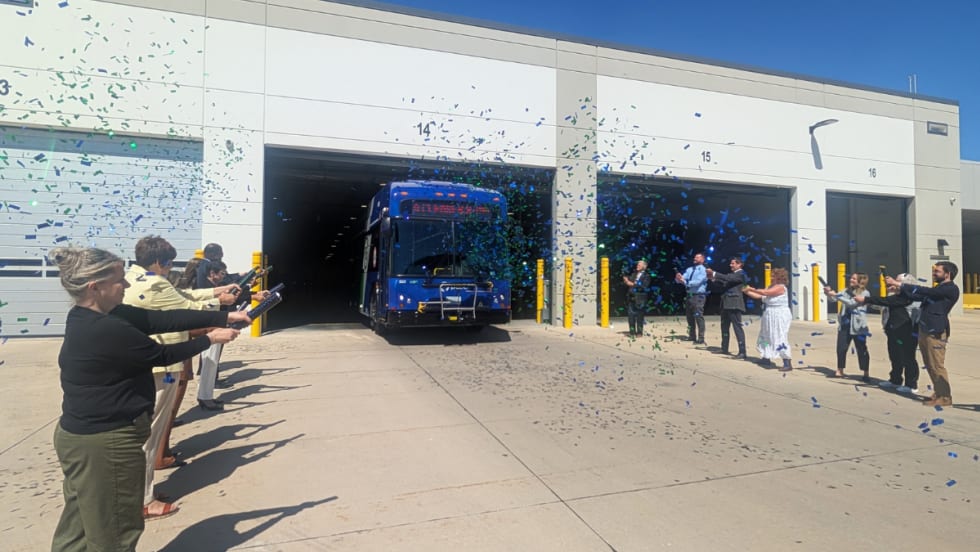
Chicago’s Pace Deploys 24 Hybrid-Electric Buses in Will County
The new buses reduce emissions and fuel consumption while advancing the agency's long-term goal of transitioning to a fully zero-emission fleet.
Read More →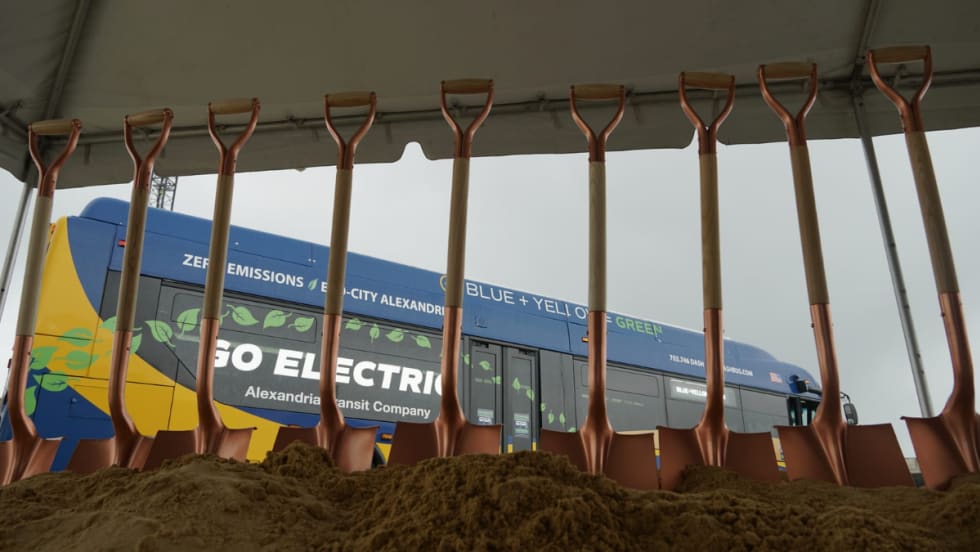
DASH Breaks Ground on First On-Route Electric Bus Chargers in D.C. Region
The fast-charging infrastructure will help extend electric bus range, improve fleet utilization, and support DASH's goal of transitioning to a fully zero-emission fleet.
Read More →