



NJ TRANSIT Adopts FY2021 Operating Budget, 5-Year Capital Plan
The budget does not include a fare increase for FY 2021.
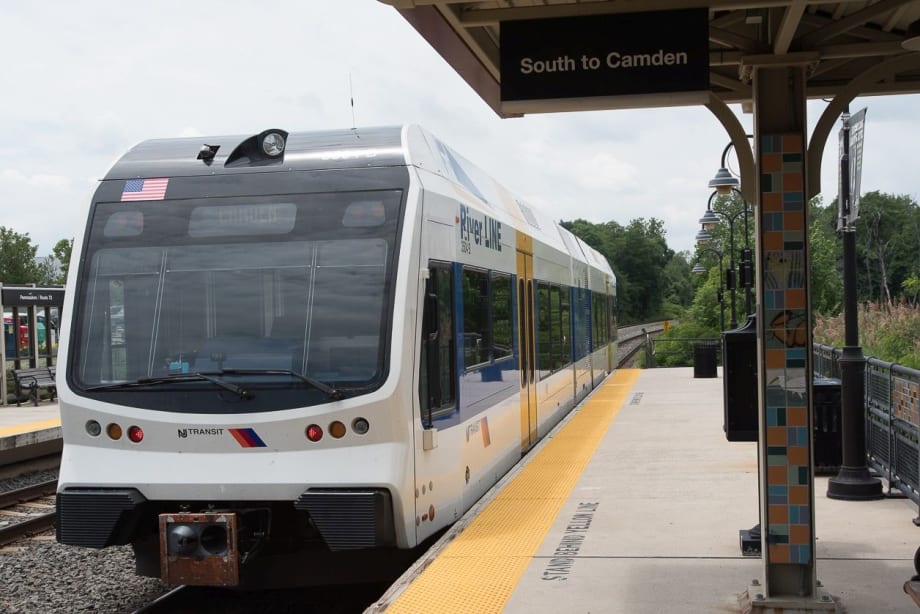
The board adopted a $2.6 billion FY21 operating budget and A Five-Year Capital Plan consisting of $11.21 billion worth of projects already funded, including $1.4 billion in funding appropriated in FY2021 to various projects throughout the Five-Year Capital Plan.
NJ TRANSIT
The NJ TRANSIT board adopted a Fiscal Year 2021 (FY 2021) operating budget and A Five-Year Capital Plan that supports continued investments in frontline personnel, infrastructure, and equipment to maintain the system in a state-of-good repair, helps advance its 10-year Strategic Plan (NJT2030), and includes additional spending due to the ongoing effort to reduce the spread of COVID-19, all without raising fares for a third straight fiscal year.
“These spending plans reflect Gov. Murphy’s commitment to NJ TRANSIT, and allow us to continue building on the significant progress we’ve made at NJ TRANSIT over the past two and a half years,” said NJ TRANSIT President/CEO Kevin Corbett. “We’re especially pleased to be able to keep fares stable this year, as we know how critically important mass transit is for essential workers and our transit-dependent customers, many of whom are facing financial uncertainty as a result of the pandemic.”
The FY 2021 Operating Budget and A Five-Year Capital Plan help advance the 10-year Strategic Plan, NJT2030, by ensuring the reliability and continued safety of our transit system; delivering a high-quality experience for all customers with their entire journey in mind; powering a stronger and fairer New Jersey for all communities; promoting a more sustainable future for our planet; and building an accountable, innovative and inclusive organization that delivers for New Jersey.
The board adopted a $2.6 billion FY21 operating budget and A Five-Year Capital Plan consisting of $11.21 billion worth of projects already funded, including $1.4 billion in funding appropriated in FY2021 to various projects throughout the Five-Year Capital Plan, and another $5.78 billion worth of proposed projects for which funding has yet to be identified but vital to NJ TRANSIT’s service delivery.
The budget does not include a fare increase for FY 2021.
Approximately 14% of the revenue in the FY 2021 operating budget comes from passenger revenue. The remaining amount comes from a combination of commercial revenue and state and federal resources, which includes $1.4 billion in CARES Act funding. The three-year cumulative State Operating Subsidy under Gov. Phil Murphy is $836 million more or 73% higher than during the three-year period of Fiscal Years 2016-2018.
NJ TRANSIT will continue to build on achievements, which include increasing locomotive engineers to 373 on active roster, up from a low of 331 just two years ago; hiring more than 800 bus operators since January 2018 and saving more than $28 million in targeted health benefit reforms.
The Capital Plan funds continue state-of-good-repair investments in transit stations and infrastructure, investments in the Northeast Corridor, fare modernization, safety initiatives, bus and rail car purchases, Positive Train Control installation, and support for local mobility programs.
Operating Budget
Approximately $1.53 billion of the operating budget is dedicated to costs associated with labor and fringe benefits. Other significant expenses include contracted services, materials, fuel, power, and utilities. Additionally, costs associated with COVID-related response measures, such as enhanced cleaning and disinfecting, materials and supplies, and employee testing are included in this budget.
The budget also provides for the hiring of additional safety and field investigative staff, additional Locomotive Engineer Training Program (LETP) classes, an increase in New Jersey Transit Police Department members to allow for an improved police presence along the transit network, enhanced customer engagement and feedback capabilities, technology upgrades, and additional staff development and training programs.
Capital Program
The FY 2021-2025 Capital Program continues to prioritize investments in infrastructure to maintain an overall state-of-good repair, enhance reliability, safety, and resiliency as well as improve the overall customer experience on the system.
A Five-Year Capital Plan contains two sets of projects — the first set includes $11.21 billion of projects already funded by existing or expected resources. The second set identifies another $5.78 billion worth of proposed projects for which funding has yet to be identified but vital to NJ TRANSIT’s service delivery.
Capital Plan construction activity continues at a brisk pace with two major construction projects that started this calendar year: the Long Slip Fill and Rail Enhancement Project (total project cost $195 million) and the Raritan River Bridge Replacement project (total cost $595 million). Other major active construction projects remain on schedule, including the Elizabeth Station project (total cost $76 million), the Hoboken Depot Substation (total cost $34 million) and the Henderson Street Substation (total cost $39 million). Two other station rehabilitation projects — Lyndhurst Station (total cost $35 million) and Perth Amboy Station (total cost $47 million) are scheduled for award during this current fiscal year.
This year’s procurement and construction activity also continues to support critical rolling stock renewals, such as 1,104 cruiser buses, 110 articulated buses, 113 multilevel III rail vehicles and 16 battery electric buses. Other infrastructure improvements include improved lighting, bathroom upgrades and additional ADA elevators at Newark Penn Station.
More Management

METRO Opens Submissions for 2026 Motorcoach Awards
Nominations are now being accepted for METRO Magazine’s Operator of the Year and Innovative Operator of the Year awards.
Read More →
New York MTA Advances Final Contract for Second Avenue Subway Expansion
Contract Four is the largest in the Second Avenue Subway Phase 2 project and includes construction of station infrastructure, tracks, and signals for the subway expansion, MTA officials said. Work on Contract Four will begin in 2027.
Read More →
Transit Agencies Highlight Safety Gains at National Summit
Leaders from 15 major transit systems shared crime-reduction results and safety initiatives while discussing the role of continued federal support.
Read More →

NITA Names New Leadership, Expands Reduced-Fare Program at First Board Meeting
The new regional transit authority appointed its first board chair and interim executive director while extending reduced fares across CTA, Metra, and Pace for eligible riders.
Read More →
Beyond the Checklist: A Structured Approach to Transit Maintenance
Reliability-Centered Maintenance helps transit agencies move beyond routine checklists to focus limited resources on the assets and failures that have the greatest impact on safety, reliability, and service.
Read More →
APTA 2026 Nominating Committee Selects Leadership Slate, Names Chair and Vice Chair Nominees
Leadership changes will help shape the association’s priorities and its representation of the transportation industry during the 2026–2027 term.
Read More →
DART Launches Major Security, Fare Enforcement Initiative
The 90-day demonstration will deploy coordinated security teams at five light rail stations while testing controlled access and gathering data to guide future investments.
Read More →
Advancing Fare Collection Through Technology and Innovation
Learn about delivering 1300 gates at 91 stations while managing fare evasion. Explore the large scale deployment, solution customization and real-world results that affect the region. Prepare for deployment in your region now.
Read More →
Game Day in Motion: Moving Millions During the 2026 World Cup
Between packed transit stations and team motorcoaches, see how agencies and operators across North America tackled the transportation demands of the 2026 FIFA World Cup.
Read More →
Surface Transportation Extension Averts Shutdown, Leaves Transit Funding Gap
The stopgap keeps federal transportation programs moving, but missing advance funding could complicate the transit and rail projects agencies are planning next.
Read More →