



NJ Transit expands mobile ticketing app to bus system
Previously available only to rail customers, MyTix will now enable bus customers in southern New Jersey to purchase and display monthly passes using their smart phones.

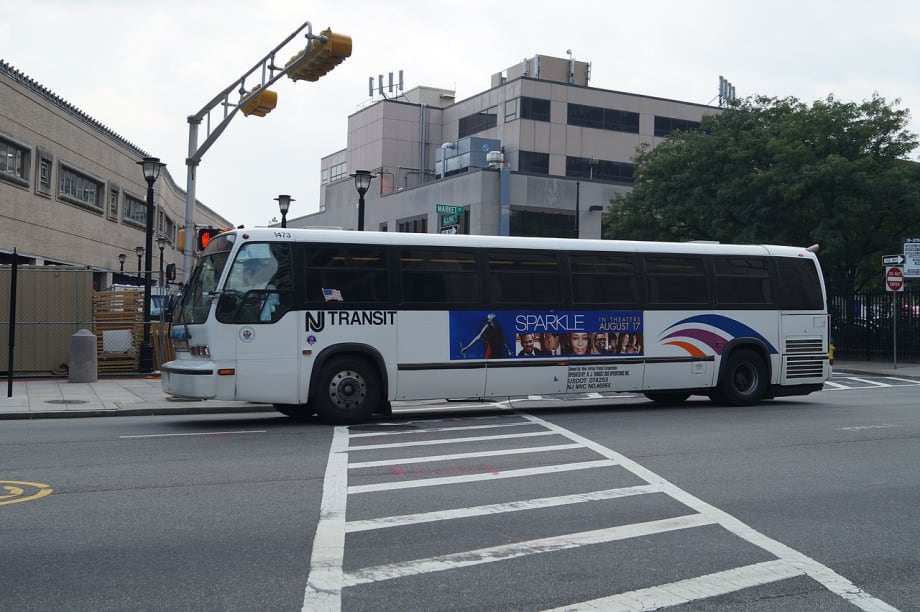
Photo courtesy Mtatrain

Photo courtesy Mtatrain
As part of an ongoing effort to improve the overall customer experience, NJ Transit expanded its MyTix mobile ticketing app to 59 South Jersey and Philadelphia-area bus routes.
Previously available only to rail customers, MyTix will now enable bus customers in southern New Jersey to purchase and display monthly passes using their smart phones.
MyTix is available for free download on any Web-enabled iOS or Android device, via the App Store and Google Play. To purchase monthly bus passes via MyTix, customers must first install the app and then create an account, which will securely save customers’ profile information and purchase history for ease of use.
RELATED:Apps Helping to Enhance Riders' Experience
NJ Transit first introduced MyTix in April 2013 as a pilot program for rail customers on the Pascack Valley Line, as well as between Penn Station New York and the Meadowlands Rail Station for special events, to test the functionality of the app and determine the feasibility of expanding it to other rail lines.
In September 2013, NJ Transit expanded MyTix to the Main/Bergen County and Port Jervis lines, followed in October by the Montclair-Boonton and Morris & Essex lines, and in November to the North Jersey Coast and Raritan Valley lines, before completing system-wide rollout in December 2013.
In the past year, MyTix has already become very popular among NJ Transit rail customers. To date, customers have established approximately 250,000 accounts through MyTix and purchased a total of two million rail tickets — representing nearly 25% of credit card sales. Over the past six months, the program has grown by more than 200%
More Bus

Finding the ‘Happy Medium’: Optimizing Maintenance Without Sacrificing Reliability
The key to maintenance optimization isn’t doing less work—it’s doing the right work at the right time on the right assets.
Read More →
LA Metro, City of West Hollywood, and Partners Advance Smarter Bus Lane Enforcement
The award-winning partnership combines AI-powered detection with human oversight to improve bus reliability, accessibility, and enforcement efficiency.
Read More →
PSTA Modernizes Workforce Management with Digital Bidding System
The award-winning Workforce Transit Modernization project replaced paper bidding with a transparent digital platform, cutting administrative effort while improving access for operators.
Read More →
Washington's Community Transit Sets Six-Year Roadmap for Growth, Expansion
Approved TDP targets more bus service, new mobility options, Swift BRT expansion, and a potential Everett Transit annexation.
Read More →
DART Customer Satisfaction Reaches Six-Year High
Overall satisfaction rose to 74.9%, while the agency’s Net Promoter Score reached a record 33.7.
Read More →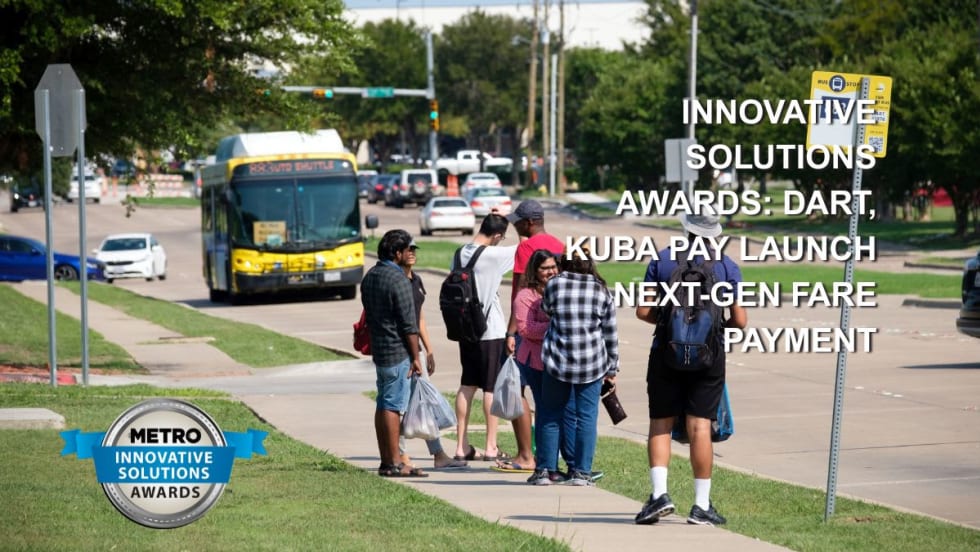
How DART's GoPass Is Redefining Regional Mobility
Serving 14 transit agencies, GoPass simplifies multimodal travel by allowing riders to plan, pay for, and manage an entire trip through one app.
Read More →
Biz Briefs: OCTA Taps Clean Energy for Hydrogen Station, Stadler to Supply Via Rail Vehicles, and More
From manufacturers and suppliers to transit agencies and motorcoach operators, these updates offer a snapshot of the projects, partnerships and business moves driving the industry forward.
Read More →
METRO Magazine Announces 2026 Innovative Solutions Awards Winners
Projects Recognized for Advancing Mobility Through Technology, Accessibility, Workforce Innovation, and Operational Excellence
Read More →
Biz Briefs: STV teams with Amtrak, Motorcoach Operators Boost Fleet and Land Contracts, and More
From manufacturers and suppliers to transit agencies and motorcoach operators, these updates offer a snapshot of the projects, partnerships and business moves driving the industry forward.
Read More →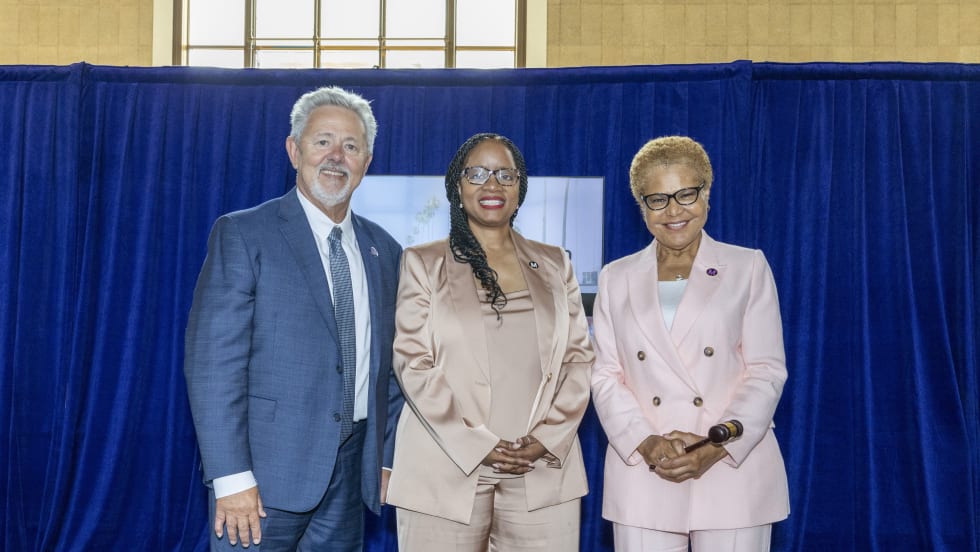
LA Metro Marks Banner Year, Sets Ambitious Goals for New Fiscal Year
Incoming LA Metro Board Chair and Los Angeles Mayor Karen Bass joined outgoing Board Chair Fernando Dutra and LA Metro CEO Stephanie Wiggins to review accomplishments from fiscal year 2026, which included the opening of new rail extensions, advancement of major transit projects, expanded safety programs, and new rider amenities.
Read More →