



NJ Transit, Nextdoor partner for community policing initiative
Will help decrease rail line crime and accidents and promote interaction between those living near NJ TRANSIT infrastructure.

The New Jersey Transit Police Department partnered with Nextdoor, a global, private social network for neighborhoods, to utilize the social media app to help increase active “eyes and ears’’ surrounding NJ TRANSIT’s infrastructure.
“Safety is the number one priority for NJ TRANSIT,’’ said Executive Director Kevin Corbett. “The New Jersey Transit Police Department is continually looking at innovative strategies to maintain a safe and secure transit system and is the first transit police department to leverage the Nextdoor neighborhood social network. It will improve direct communication for both sides by allowing the sharing of vital information. Residents will have a chance to express their concerns regarding safety to the very officers who patrol and command their ‘home turf.’ It is a win-win situation.’’
This first-of-its-kind partnership between the New Jersey Transit Police Department and Nextdoor will enhance community policing by helping decrease rail line crime and accidents and promote interaction between those who live within a close proximity to NJ TRANSIT rail and light rail lines and stations, and bus terminals.
“NJ TRANSIT understands how important it is to maintain positive relationships with the local communities we serve,’’ said New Jersey Transit Police Chief Christopher Trucillo. “By utilizing the Nextdoor network, the members of the New Jersey Transit Police Department will be able to directly communicate with our unofficial ‘eyes and ears,’ the members of the communities we serve. At NJ TRANSIT, we see the partnership with Nextdoor as a tool to strengthen our connections to these local communities, and it gives our neighbors a way to get to know the men and women of the New Jersey Transit Police Department.’’
The New Jersey Transit Police Department will not be able to access residents’ network information or content on Nextdoor.
With access to Nextdoor’s public agency platform, the New Jersey Transit Police Department will be able to geo-target Nextdoor residents who live within a one-mile radius of rail and light rail lines and stations, and bus terminals to:
Inform nearby residents of criminal activity such as theft and vandalism.
Educate residents on how to report suspicious activity.
Provide educational information on how to teach children about the dangers of railroad tracks.
Increase the number of residents who interact with New Jersey Transit Police officers who patrol nearby stations and terminals.
Nextdoor is free for residents and the New Jersey Transit Police Department.
Founded in 2010, Nextdoor is a private, hyperlocal social network for neighborhoods used by verified NJ residents. Local residents use Nextdoor for a variety of things such as finding a babysitter to addressing crime and quality-of-life concerns.
This past spring, the New Jersey Transit Police Department conducted a pilot test of the platform for neighborhoods along the Hudson-Bergen Light Rail and Morris & Essex stations. Feedback indicated that neighbors were overwhelming in favor of the partnership.
More Security and Safety

Transit Agencies Highlight Safety Gains at National Summit
Leaders from 15 major transit systems shared crime-reduction results and safety initiatives while discussing the role of continued federal support.
Read More →
DART Launches Major Security, Fare Enforcement Initiative
The 90-day demonstration will deploy coordinated security teams at five light rail stations while testing controlled access and gathering data to guide future investments.
Read More →
RTD Launches NextRide App to Consolidate Trip Planning, Fares, Security Reporting
The app expands on RTD’s existing NextRide web application and allows customers to view real-time vehicle locations and service alerts, purchase and store digital fares, and access customer support.
Read More →

TAPTCO Updates OSHA Compliance Training for Transit Maintenance Operations
The revamped program addresses 26 OSHA standards for maintenance facilities, with TAPTCO pointing to training, documentation, and everyday shop hazards as continuing challenges for transit operations.
Read More →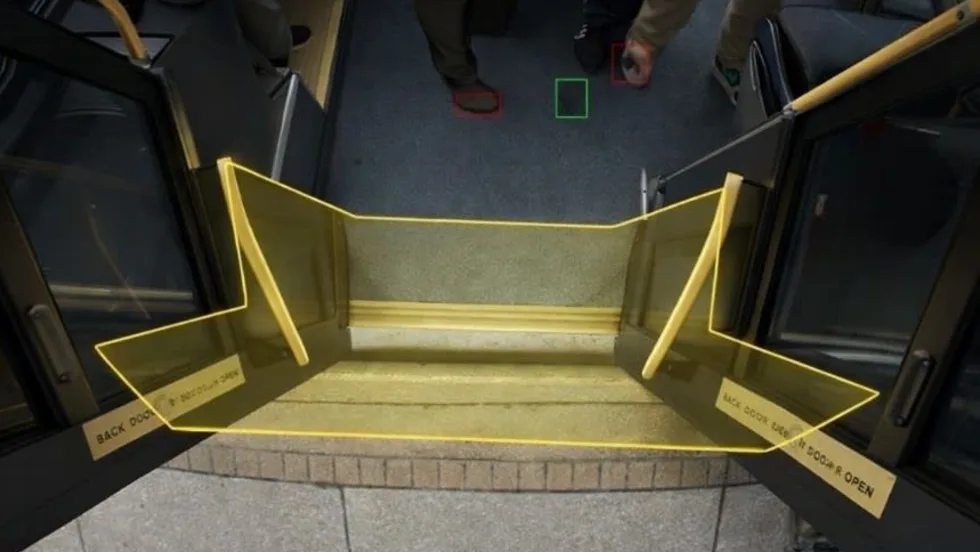
How VaporVision Adds Value to Transit Door Systems
Wabtec engineers explain how the system improves doorway detection, strengthens diagnostics and gives transit agencies and OEMs greater operating flexibility.
Read More →
FRA Announces $5.3B in Rail Investments, Including $2B for Amtrak
Funding will support grade-crossing improvements, infrastructure upgrades, and new Amtrak equipment in 23 states.
Read More →
Chicago, Maryland Expand Non-Law-Enforcement Safety, Rider Support
The CTA and MTA are launching new programs aimed at de-escalation, crisis response, rider assistance, and greater transparency.
Read More →
LA Metro, City of West Hollywood, and Partners Advance Smarter Bus Lane Enforcement
The award-winning partnership combines AI-powered detection with human oversight to improve bus reliability, accessibility, and enforcement efficiency.
Read More →
LA Metro Reports 57% Decline in Homelessness on Transit System Since 2024
The agency's latest homelessness count offers new data on how care-based services and cross-sector partnerships can complement traditional transit security strategies.
Read More →
FTA Launches 'Transit Moves America' Dashboard to Highlight Agency Safety and Performance
The online dashboard transforms National Transit Database information into a public-facing resource that allows users to compare transit agencies on key operational and safety metrics.
Read More →