



NJ Transit restores normal service levels
As of Wednesday, bus and rail service began operating on a regular weekday schedule. A small percentage of routes are subject to truncations or detours as a result of local road conditions.

As of Wednesday, New Jersey Transit (NJ Transit) services resumed operating on a regular weekday schedule, with only minor adjustments expected.
Bus service is operating on a regular weekday schedule on all routes. A small percentage of routes are subject to truncations or detours as a result of local road conditions.
Rail service is operating on a regular weekday schedule on all lines. A handful of trains — representing about one percent of the weekday schedule — will be cancelled. Approximately eight trains will not operate on Wednesday due to weather-related equipment issues.
Additionally, Access Link paratransit service is resuming normal operations.
While service is returning to normal, the agency is advising customers to plan for reduced parking availability, due to large snow mounds; and detours and delays on some bus routes.
NJ Transit crews, working around the clock since Sunday, have brought the system back to a relatively normal operating status. Since the first inch of snow fell, bus maintenance crews have worked to keep buses moving across the state. More than 100 of NJ Transit's 2,000 buses became stuck in snow during the storm, requiring the assistance of NJ Transit's fleet of tow trucks and response vehicles.
"It's been a Herculean effort," said Jim Gigantino, vice president/Gm of bus operations. "Our bus operators, maintenance crews and support personnel have worked in the most extreme conditions to restore service and get our customers safely to their destinations."
Bus service was suspended from 8:30 p.m. Sunday until 12:01 a.m. Tuesday due to weather conditions. At the request of the State Police, NJ Transit bus operators rendered assistance on the Garden State Parkway, transporting motorists whose cars became stranded to safe locations.
On the rail side, roughly 80 percent of NJ Transit's fleet of 1,400 railcars weathered the storm in outlying rail yards, where crews have spent the past 36 hours digging out the fleet. Approximately 140 cars needed to be physically dug out, and all cars required inspection and servicing before they could be returned to service. More than 40 railcars required repairs. Other rail crew members spent the hours during and after the storm clearing tracks, digging out switches and responding to other weather-related infrastructure issues.
Rail service operated on an enhanced weekend schedule on Monday and Tuesday, allowing crews additional time to prepare rail cars, locomotives and infrastructure. Under the enhanced weekend schedule, NJ Transit operated about 40 percent fewer trains than a typical weekday schedule.
Bus and rail personnel responsible for plowing snow and clearing boarding locations had their work cut out for them: not only because of the extreme snowfall levels, but due to wind that followed, requiring many locations to be re-plowed and re-treated multiple times.
NJ Transit's Light Rail Operations personnel, similar to their counterparts on the railroad, have been readying equipment, and clearing tracks and station platforms. Access Link reservations specialists worked extended hours individually calling paratransit customers whose trips needed to be rescheduled Monday and Tuesday as a result of suspended service.
More Paratransit

Biz Briefs: RIPTA Unveils New Frontrunners, Clevland RTA Adds New Siemens, and More
In METRO's latest installment, we take a look at recent news from Siemens, Prevost, Dodge, and more partnerships making headlines across the transportation sector.
Read More →
King County Metro Makes ADA Paratransit Easier to Navigate
METRO's Innovative Solutions Award winner replaces complex service-area descriptions with an accessible, interactive map that puts paratransit information directly in customers’ hands.
Read More →
Jacksonville’s NAVI Project Charts a New Course for Autonomous Public Transportation
Through its NAVI program, JTA is showing how autonomous vehicles, intelligent infrastructure, and coordinated operations can work together to deliver everyday public transportation.
Read More →
Driving Smarter Paratransit
John Hanlon shares how AlphaRoute is leveraging AI-powered technology to help paratransit providers optimize operations, support frontline staff, and enhance the rider experience.
Read More →
METRO Magazine Announces 2026 Innovative Solutions Awards Winners
Projects Recognized for Advancing Mobility Through Technology, Accessibility, Workforce Innovation, and Operational Excellence
Read More →
Biz Briefs: STV teams with Amtrak, Motorcoach Operators Boost Fleet and Land Contracts, and More
From manufacturers and suppliers to transit agencies and motorcoach operators, these updates offer a snapshot of the projects, partnerships and business moves driving the industry forward.
Read More →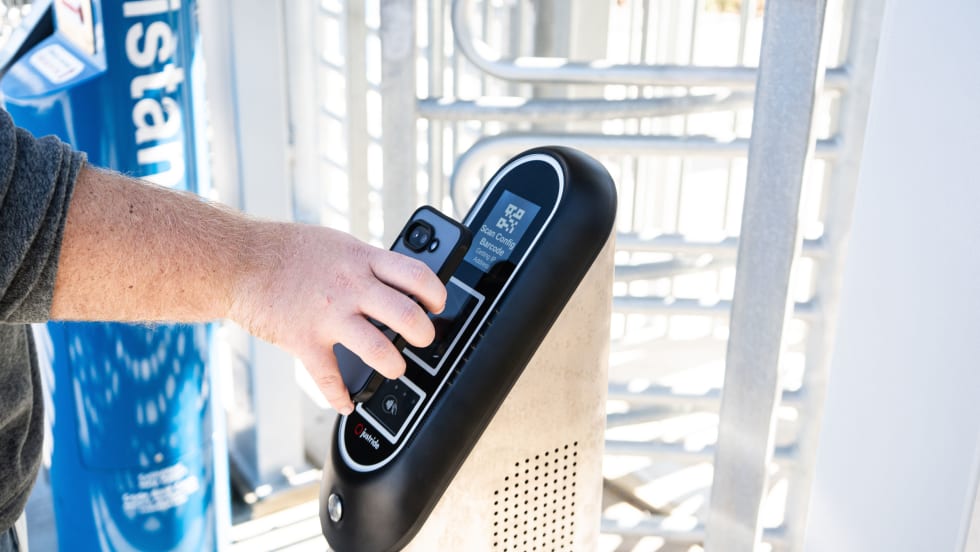
Biz Briefs: Masabi Teams with St. Louis Metro and More
In METRO's latest installment, we take a look at recent news from Transdev, Hitachi, and more partnerships making headlines across the transportation sector.
Read More →
New York MTA Leverages Zoning Program to Advance Station Accessibility
Accessibility enhancements at Nevins St Station will be financed through a development agreement tied to the MTA's Zoning for Accessibility initiative.
Read More →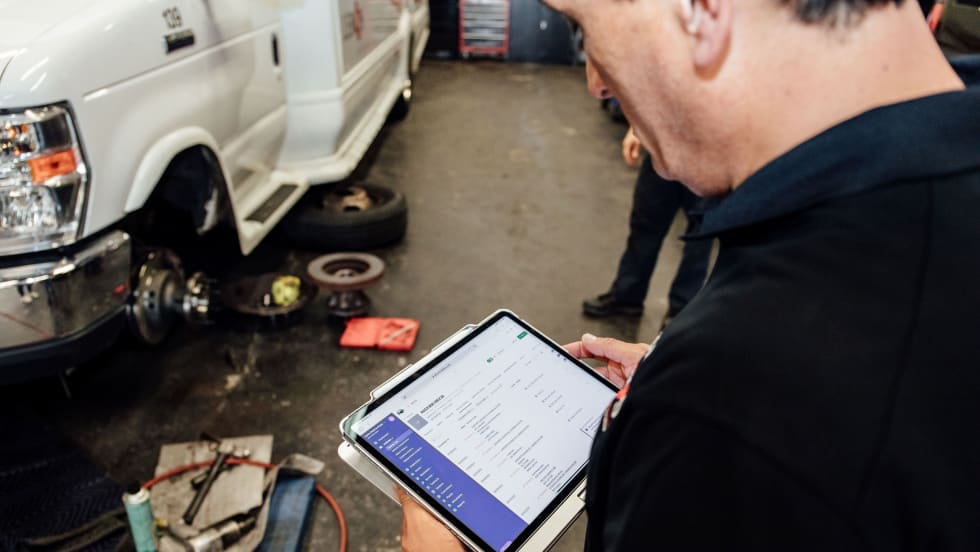
Reinventing Fleet Maintenance with Real-time Visibility and AI
Transit leaders need to know what needs fixing, where to look, who is responsible, when work is completed, and what it costs without having to chase information across disconnected systems.
Read More →
SamTrans Sets Priorities for Potential Connect Bay Area Revenue
The board-approved framework allocates future funding to maintaining service, rider improvements, equity initiatives, and infrastructure repairs.
Read More →