



NTSB finds cause of New York transit, motorcoach crash uncertain
A dropped Thermos bottle lodged between the brake and accelerator pedals could not be ruled out as a possible cause for the fatal 2017 collision.



A dropped Thermos bottle lodged between the brake and accelerator pedals could not be ruled out as a possible cause for the fatal 2017 collision between two buses in Flushing, New York, according to the National Transportation Safety Board.
In September 2017, a motorcoach operated by Dahlia Group Inc. collided with a New York City Transit Authority bus at the intersection of Northern Boulevard and Main Street in Flushing. The motorcoach was traveling 60 mph — twice the posted speed limit — when it struck the left rear side of the transit bus, causing the transit bus to rotate 120 degrees and then strike two parked cars. The motorcoach driver, a passenger on the transit bus, and a pedestrian were killed.
NTSB investigators used data from the telematics systems on the motorcoach and transit bus and security video footage to establish the timeline of events, including respective vehicle location tracking, lane positions, and pre-crash speeds. The investigation was aided by a GPS device on the motorcoach, which provided video and audio from its forward facing camera.
The motorcoach was traveling at 30 mph when a metal rattling noise is heard on the audio recording. Three seconds after the metal rattling sound the driver uttered a single-word remark as the motorcoach increased its speed. More audible metal rattling sounds were recorded from inside the cabin. Three seconds after the first exclamation, the driver exclaimed a second time as he approached the accident intersection and swerved to avoid stopped vehicles. The steering maneuver is the only known action the driver takes after experiencing unintended vehicle acceleration. Vehicle data show no brake application. The motorcoach enters the Main Street intersection at 60 mph.
Investigators found no evidence that the motorcoach driver’s experience, training, route familiarity, or pre-crash activities were factors in the collision. The GPS recording indicates the motorcoach driver was conscious and aware of the hazardous conditions preceding the crash but was unable to control the vehicle’s speed. Security camera video of the crash shows no illumination of the motorcoach brake lights before impact, but no mechanical or operational issues were found with the motorcoach. NTSB investigators ruled out a deliberate intent by the driver to crash his vehicle.
NTSB investigators then considered the possibility that an object became lodged beneath or between both the brake and the accelerator pedals, resulting in uncontrolled acceleration and the inability to apply the brakes. At the scene of the crash, investigators found a metal Thermos bottle near the control pedals. The Thermos could potentially explain the metal rattling heard on the audio recording. The driver’s wife said he had taken his Thermos for the trip.
Investigators examined the audio to determine if a dropped Thermos could have created the sound, but the results were inconclusive. Metallurgists from the NTSB Office of Research and Engineering examined marks on the Thermos to determine if they could have been caused by contact with the vehicle control pedals, but no physical evidence was found. Investigators also obtained a similar Thermos and attempted to lodge it in the pedals of an exemplar motorcoach. They found that it was possible to position the Thermos beneath and between the pedal controls such that it prevented brake application while depressing the throttle.
The NTSB concluded that though an obstructed brake pedal could not be discounted as a factor in the crash, it also could not be determined as causal to the crash. The NTSB’s official finding of probable cause was “the driver’s unintended acceleration of the motorcoach and inability to brake for reasons that could not be conclusively determined from the information available.”
To view the full report, click here.
More Security and Safety

Transit Agencies Highlight Safety Gains at National Summit
Leaders from 15 major transit systems shared crime-reduction results and safety initiatives while discussing the role of continued federal support.
Read More →
DART Launches Major Security, Fare Enforcement Initiative
The 90-day demonstration will deploy coordinated security teams at five light rail stations while testing controlled access and gathering data to guide future investments.
Read More →
RTD Launches NextRide App to Consolidate Trip Planning, Fares, Security Reporting
The app expands on RTD’s existing NextRide web application and allows customers to view real-time vehicle locations and service alerts, purchase and store digital fares, and access customer support.
Read More →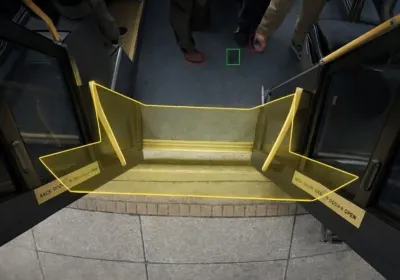

TAPTCO Updates OSHA Compliance Training for Transit Maintenance Operations
The revamped program addresses 26 OSHA standards for maintenance facilities, with TAPTCO pointing to training, documentation, and everyday shop hazards as continuing challenges for transit operations.
Read More →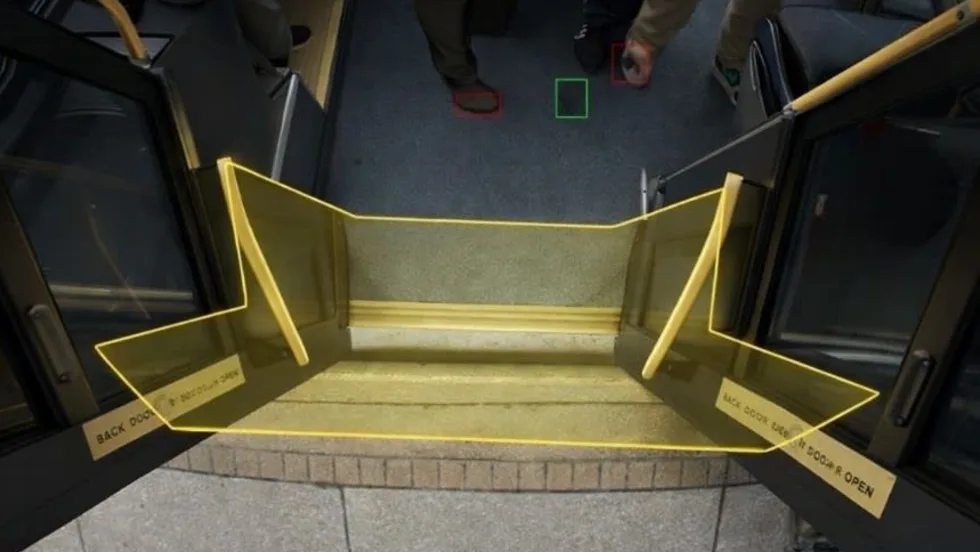
How VaporVision Adds Value to Transit Door Systems
Wabtec engineers explain how the system improves doorway detection, strengthens diagnostics and gives transit agencies and OEMs greater operating flexibility.
Read More →
FRA Announces $5.3B in Rail Investments, Including $2B for Amtrak
Funding will support grade-crossing improvements, infrastructure upgrades, and new Amtrak equipment in 23 states.
Read More →
Chicago, Maryland Expand Non-Law-Enforcement Safety, Rider Support
The CTA and MTA are launching new programs aimed at de-escalation, crisis response, rider assistance, and greater transparency.
Read More →
LA Metro, City of West Hollywood, and Partners Advance Smarter Bus Lane Enforcement
The award-winning partnership combines AI-powered detection with human oversight to improve bus reliability, accessibility, and enforcement efficiency.
Read More →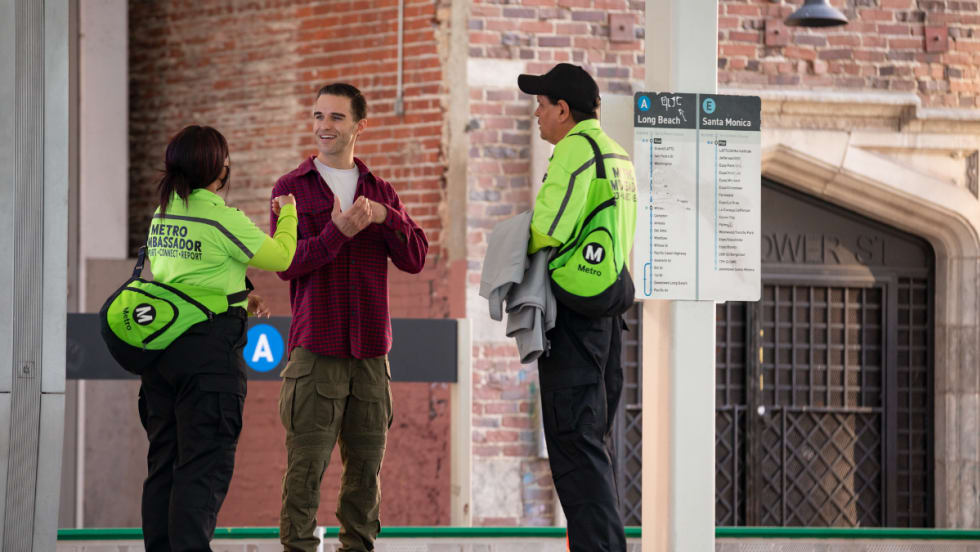
LA Metro Reports 57% Decline in Homelessness on Transit System Since 2024
The agency's latest homelessness count offers new data on how care-based services and cross-sector partnerships can complement traditional transit security strategies.
Read More →
FTA Launches 'Transit Moves America' Dashboard to Highlight Agency Safety and Performance
The online dashboard transforms National Transit Database information into a public-facing resource that allows users to compare transit agencies on key operational and safety metrics.
Read More →