



NTSB: Signal interpretation led to Amtrak accident
Contributing to the accident, was the relief engineer's failure to immediately communicate to the engineer that he had miscalled the signal at Englewood and to stop the train when the engineer did not respond to her expressed concern.

The National Transportation Safety Board (NTSB) determined that the probable cause of a collision of an Amtrak train with the rear of a Norfolk Southern Railway Co. (Norfolk Southern) train was the failure of the Amtrak engineer to correctly interpret the signal at Englewood interlocking and Amtrak's failure to ensure that the engineer had the competency to correctly interpret the signal across the different territories over which he operated.
On Friday, Nov. 30, 2007, Amtrak passenger train 371, consisting of one locomotive and three passenger cars, struck the rear of standing Norfolk Southern freight train 23M. The forward portion of the Amtrak locomotive came to rest on top of a container on the rear car of the freight train. Sixty-six passengers and five crewmembers were transported to hospitals; two passengers and one crewmember were admitted.
In its report released Tuesday, NTSB found that as the Amtrak train traveled closer to the first signal at Englewood interlocking, the engineer made a significant error when he misinterpreted the meaning of the red over yellow signal aspect. The red over yellow aspect was a restricting indication that required the crew to operate the train at a maximum speed of 15 mph and to be prepared to stop for any trains or obstructions ahead.
The NTSB also determined that contributing to the accident was the relief engineer's failure to immediately communicate to the engineer that he had miscalled the signal at Englewood and to stop the train when the engineer did not respond to her expressed concern. Also contributing to the accident was an absence of effective crew resource management between the relief engineer and the operating engineer which led to their failure to resolve the miscalled signal prior to the collision.
Further contributing to the accident was the absence of a positive train control (PTC) system that would have stopped the Amtrak train when it exceeded restricted speed. The NTSB concluded that had a PTC system been in place, it would have intervened by stopping the Amtrak train when the engineer failed to comply with the restricted speed.
As a result of its investigation of this accident, NTSB made recommendations to the Federal Railroad Administration, Amtrak, the Association of American Railroads, the American Short Line and Regional Railroad Association, the Brotherhood of Locomotive Engineers and Trainmen, the United Transportation Union and the American Public Transportation Association in the following areas: uniform signal aspects to communicate meanings more effectively, wayside signal indication training and proficiency programs, crewmember communication and action in response to operating concerns, and inadequate locomotive cab emergency egress and rescue access.
To view a synopsis of the report, click here.
More Rail
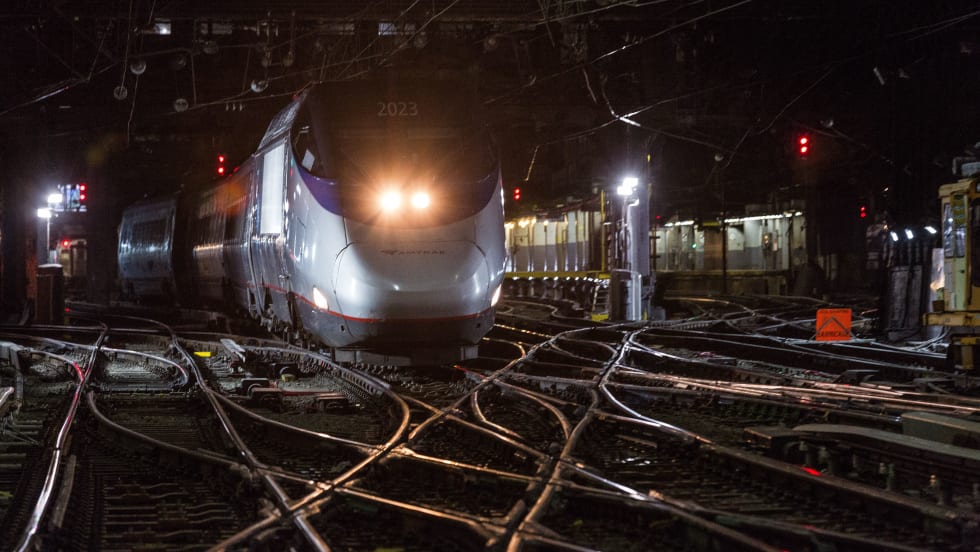
Amtrak Board Advances Plan to Restructure Organization, Seeks Public Input
The proposal, developed by Amtrak management and approved by the board for further consideration, is intended to modernize the organization's structure while improving accountability, operational efficiency, and customer service.
Read More →
Biz Briefs: STV teams with Amtrak, Motorcoach Operators Boost Fleet and Land Contracts, and More
From manufacturers and suppliers to transit agencies and motorcoach operators, these updates offer a snapshot of the projects, partnerships and business moves driving the industry forward.
Read More →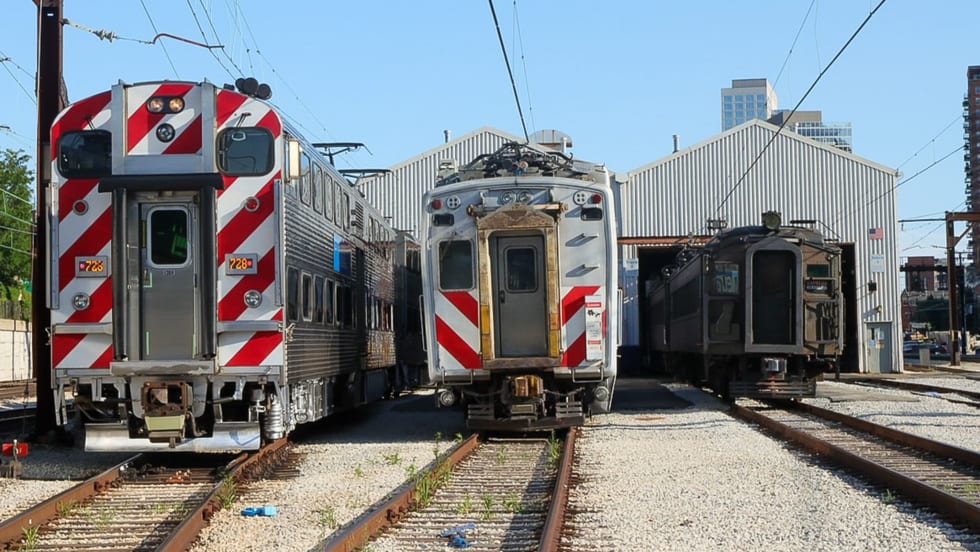
Metra Celebrates 100 Years of Electric Rail, Looks to the Future
The event was also a celebration of recent reforms to public transportation in the Chicago area, changes that could be as transformative in the future as the major civic achievement a century ago, said officials.
Read More →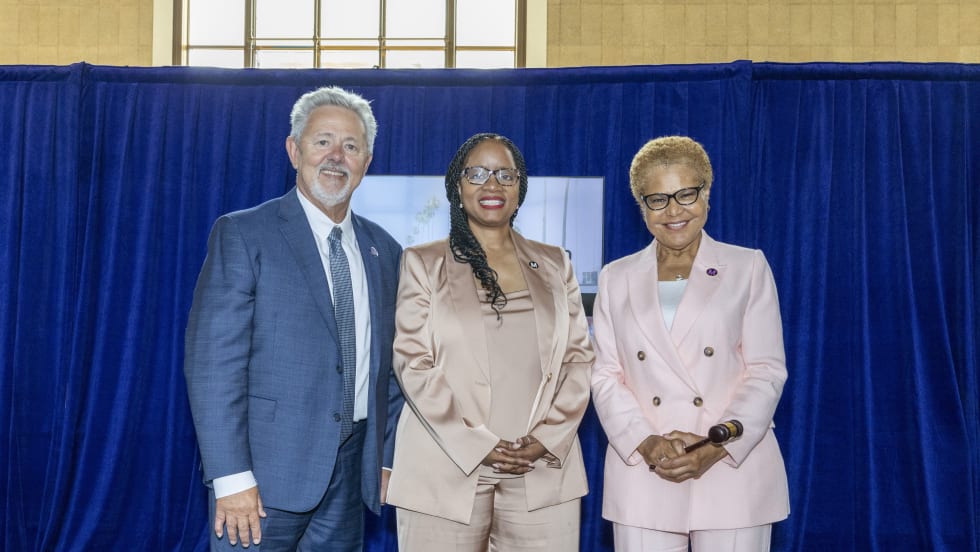
LA Metro Marks Banner Year, Sets Ambitious Goals for New Fiscal Year
Incoming LA Metro Board Chair and Los Angeles Mayor Karen Bass joined outgoing Board Chair Fernando Dutra and LA Metro CEO Stephanie Wiggins to review accomplishments from fiscal year 2026, which included the opening of new rail extensions, advancement of major transit projects, expanded safety programs, and new rider amenities.
Read More →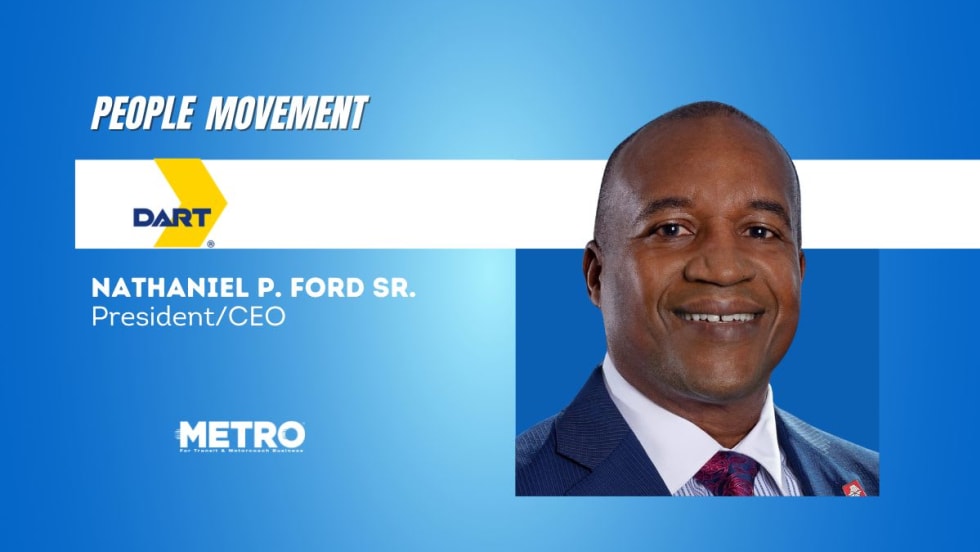
DART Taps Nathaniel P. Ford Sr. as Next President/CEO
Since 2012, Ford has served as the CEO of the Jacksonville Transportation Authority
Read More →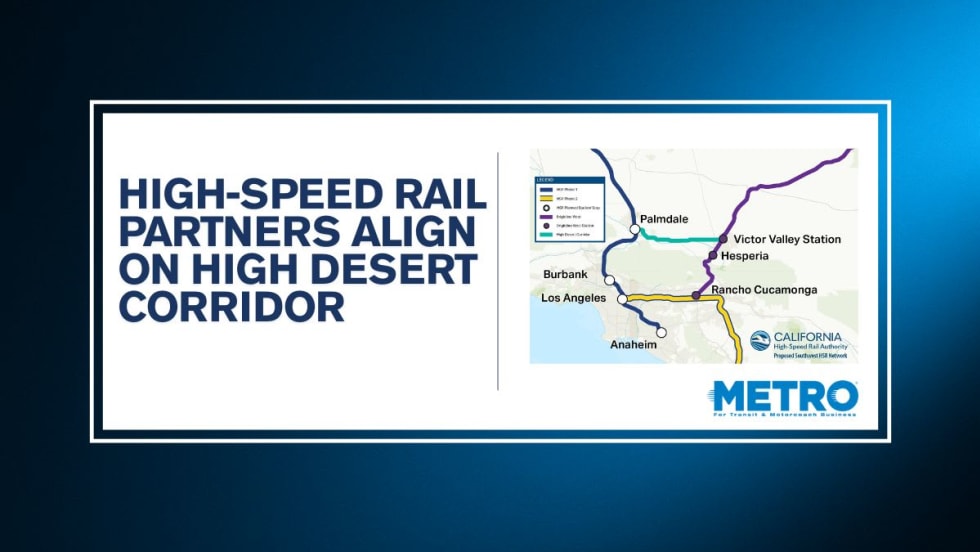
California High-Speed Rail Authority Signs MOU to Advance High Desert Corridor
The agreement deepens collaboration between the California High-Speed Rail Authority and the High Desert Corridor Joint Powers Agency, supporting design integration, cost savings, and faster delivery of a key Southern California rail link.
Read More →
Building the Next Generation of Transit Technology
In this edition of METROspectives, Luminator CEO Magnus Friberg discusses the company's transformation, the growing role of AI and software, and what's next for transit technology.
Read More →
How Data, Strategy, and Community Engagement Are Reshaping Transit
In this edition of METROspectives, strada360 CEO Steve Lassey discusses how transit agencies can better align planning with operations, leverage data to improve decision-making, and build public trust as they prepare for the future of mobility.
Read More →
TTC Launches Camera Pilot to Curb Illegal Passing of Streetcars
During the pilot, the cameras will measure how often illegal streetcar passing occurs and test the technology's reliability for future automated enforcement.
Read More →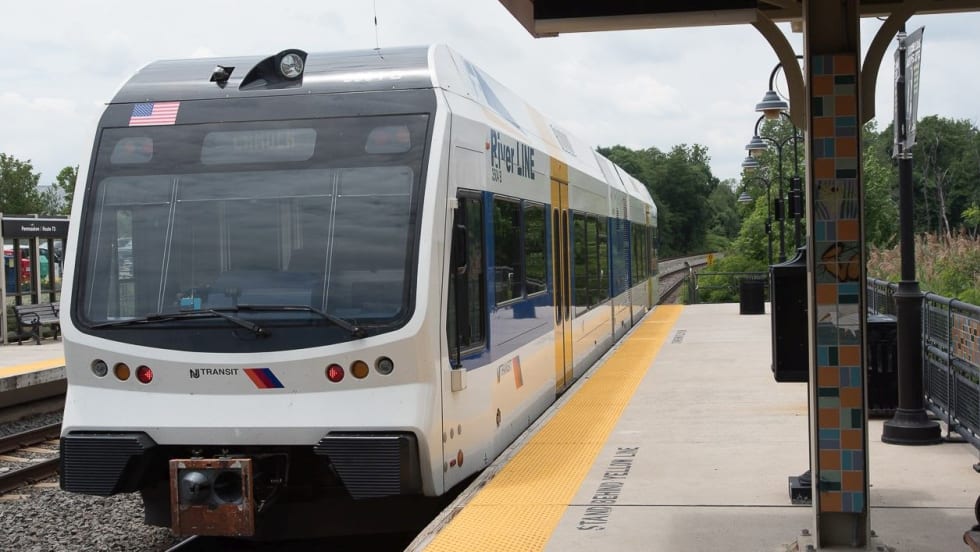
NJ TRANSIT Secures Capital Funding, Adopts FY2027 Budget
The budgets continue investments in infrastructure and equipment to maintain the system in a state of good repair and enhance the overall customer experience.
Read More →