



Related: OCTA Marks 30th Anniversary, Pushes Ahead Toward Future
OCTA Board Approves Contract to Maintain Orange County’s Bus Stops
The OCTA board approved a $1.6 million contract with ShelterClean Services, Inc. for a three-year term beginning Dec. 1, with the option to extend the contract through 2028.
by Staff
October 27, 2021
OCTA began contracting bus stop maintenance in 1994.
Photo: OCTA
2 min to read
The Orange County Transportation Authority Board of Directors approved a contract to help maintain bus stops across Orange County, Calif. This ensures riders get updated, reliable route information wherever they board an OC Bus.
The OCTA board approved a $1.6 million contract with ShelterClean Services, Inc. for a three-year term beginning Dec. 1, with the option to extend the contract through 2028.
OCTA currently has 58 bus routes operating across Orange County and into neighboring counties, with a total of 5,480 bus stop locations.
OCTA installs and maintains posts and signage identifying the route information at each stop, as well as maintaining solar lighting so the stops can be seen at night. OCTA works with individual jurisdictions to determine the most efficient placement of bus stops for the highest level of customer service.
Individual cities and the county are responsible for providing passenger amenities, such as benches, shelters, and trash receptacles, at individual stops – as well as the upkeep of those shelters. OCTA issues approximately 1,600 work orders every year for a variety of issues.
Service requests for trash removal and other shelter maintenance are coordinated with the jurisdictions responsible for the bus shelters.
The OCTA contactor performs preventative maintenance at each bus stop periodically, including cleaning, replacing and repairing OCTA-owned hardware. In addition, OCTA issues work orders for each of OCTA’s service changes, typically three each year.
The work orders vary in scope and include installing or removing bus stop signs, posts, hardware, informational materials, and route schedules. Depending on the scope of a service change, 3,000 to 4,000 informational pieces may be replaced to support a single service change.
More Security and Safety

Transit Agencies Highlight Safety Gains at National Summit
Leaders from 15 major transit systems shared crime-reduction results and safety initiatives while discussing the role of continued federal support.
Read More →
DART Launches Major Security, Fare Enforcement Initiative
The 90-day demonstration will deploy coordinated security teams at five light rail stations while testing controlled access and gathering data to guide future investments.
Read More →
RTD Launches NextRide App to Consolidate Trip Planning, Fares, Security Reporting
The app expands on RTD’s existing NextRide web application and allows customers to view real-time vehicle locations and service alerts, purchase and store digital fares, and access customer support.
Read More →

TAPTCO Updates OSHA Compliance Training for Transit Maintenance Operations
The revamped program addresses 26 OSHA standards for maintenance facilities, with TAPTCO pointing to training, documentation, and everyday shop hazards as continuing challenges for transit operations.
Read More →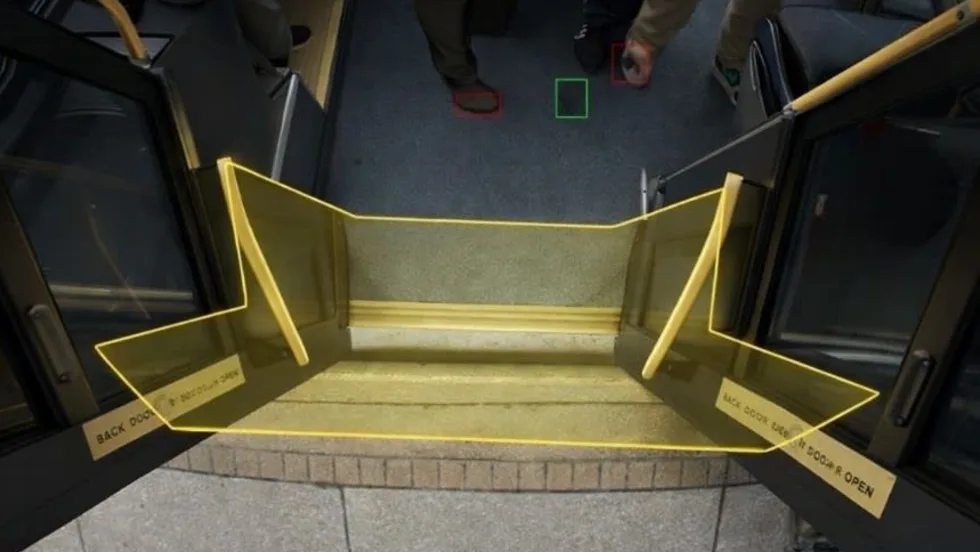
Sponsored•August 18, 2026
How VaporVision Adds Value to Transit Door Systems
Wabtec engineers explain how the system improves doorway detection, strengthens diagnostics and gives transit agencies and OEMs greater operating flexibility.
Read More →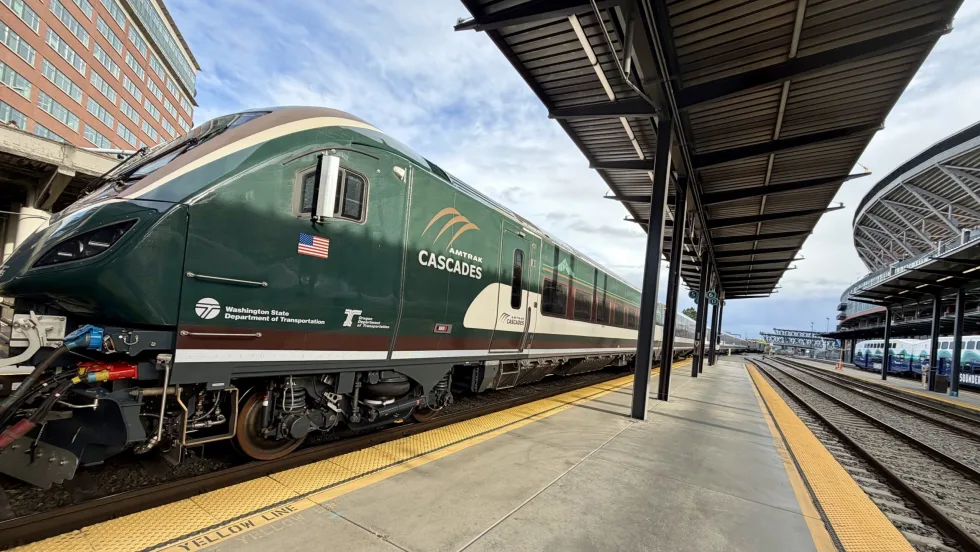
FRA Announces $5.3B in Rail Investments, Including $2B for Amtrak
Funding will support grade-crossing improvements, infrastructure upgrades, and new Amtrak equipment in 23 states.
Read More →
Chicago, Maryland Expand Non-Law-Enforcement Safety, Rider Support
The CTA and MTA are launching new programs aimed at de-escalation, crisis response, rider assistance, and greater transparency.
Read More →
LA Metro, City of West Hollywood, and Partners Advance Smarter Bus Lane Enforcement
The award-winning partnership combines AI-powered detection with human oversight to improve bus reliability, accessibility, and enforcement efficiency.
Read More →
LA Metro Reports 57% Decline in Homelessness on Transit System Since 2024
The agency's latest homelessness count offers new data on how care-based services and cross-sector partnerships can complement traditional transit security strategies.
Read More →
FTA Launches 'Transit Moves America' Dashboard to Highlight Agency Safety and Performance
The online dashboard transforms National Transit Database information into a public-facing resource that allows users to compare transit agencies on key operational and safety metrics.
Read More →