



How the Omicron Surge Impacted Transit, Exposed Workforce Needs
With the peak of omicron impacting transit agencies throughout the holidays and into the month of January, the issue brought the industry’s workforce needs even further into the forefront.
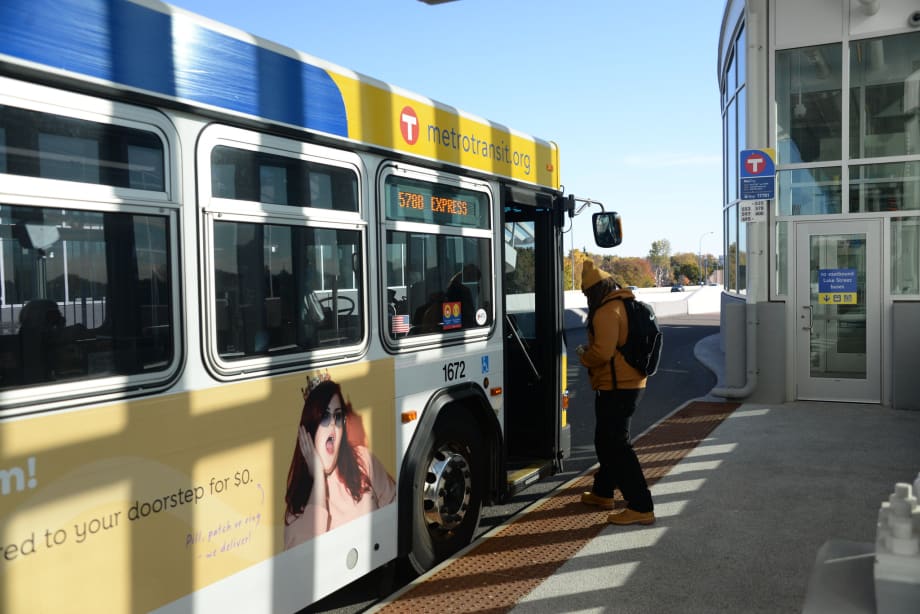
In Minneapolis, agency officials explained callouts due to COVID, as well as other illnesses, occurred at a much higher rate in December and January then at the height of the pandemic in the spring of 2020 and 2021.
Metro Transit
With the peak of omicron impacting transit agencies throughout the holidays and into the month of January, the issue brought the industry’s workforce needs even further into the forefront.
In Minneapolis, agency officials explained callouts due to COVID, as well as other illnesses, occurred at a much higher rate in December and January then at the height of the pandemic in the spring of 2020 and 2021.
“During January 2021, we averaged about nine bus operators that were out due to COVID per weekday,” explained Metro Transit Spokesperson Laura Baenen. “A few weeks ago, about 10% of our workforce, or about 174 people, were out due to COVID and other regular illnesses. It’s not quite apples to apples, because there were other common colds and flus going around as well, but it does show how omicron impacted our workforce.”
Baenen added the callouts also caused an impact on Metro Transit’s service, with the agency’s bus and rail systems missing about 30 of its 740 daily pullouts at the height of the omicron spread. Making things even more difficult was that the region was experiencing subzero weather.
“We more than understand that it is no fun for our passengers to have to wait for their bus or railcar in inclement weather, so we did all we could to make sure to communicate any issues to our riders via our website and app,” Baenen said.
Reflecting the current trend around the nation, however, new cases reported at Metro Transit during the first week of February were eight total, according to Baenen.
Meanwhile in Denver, the Regional Transit District (RTD) officials explained the surge of new coronavirus cases, and an existing need for frontline workers, are having adverse impacts on RTD’s ability to provide its scheduled service.
“The prevalence of the omicron variant brought the number of new coronavirus cases and the percentage of positive tests to their highest points since the start of the pandemic,” said RTD Spokesperson Laurie Huff. “This reality is coupled with existing vacancies for frontline positions that include bus and rail operators, technicians, and mechanics.”
Huff added that between Dec. 15 and Jan. 5, the agency saw 77 new employee cases, spanning all facilities and operating divisions. When asked how the omicron surged impacted RTD service, she explained the biggest impacts to service have been external: COVID-19, hybrid and flexible work options, and operator availability.
“The measures RTD has taken have been in response to those factors,” she said. “Ultimately, we have adjusted to lower ridership demand with fewer resources.”
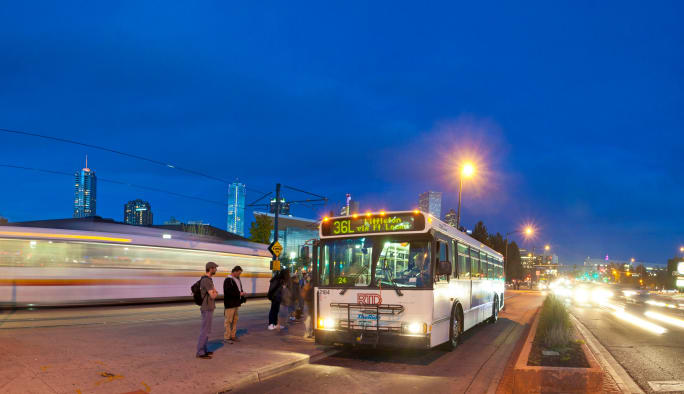
Regional Transit District officials explained the surge of new coronavirus cases, and an existing need for frontline workers, are having adverse impacts on RTD’s ability to provide its scheduled service.
Denver RTD
Workers Needed
As Huff touched upon, what the omicron surge in late December to mid-January did expose at RTD and Metro Transit, as well as at transit agencies around the nation, was the need for more qualified employees, including bus and railcar operators.
To boost its workforce, RTD is offering a $4,000 hiring bonus for operators, mechanics, and other key frontline positions. In the meantime, Huff said the agency is doing its best to maintain service within its existing resource constraints.
“The RTD Operations team is working creatively to approach covering open shifts with fewer employees. Both Bus Operations and Rail Operations, for example, are calling upon operators to volunteer to work additional hours, and they are using the operator extra board to fill open pieces of work with those employees as they are available,” she explained. “Rail Operations is also working with the union to temporarily enable supervisors to operate trains on a limited basis. Bus Operations has a contingent of retirees working for the agency, with language in the current collective bargaining agreement supportive of retirees helping to cover trips. Every time an operator retires, we ask them to join our retiree workforce.”
At Metro Transit, Baenen said that while the agency has hired about 92 bus operators since May 2021, it is still in need of about 130 more.
With the hopes of attracting more drivers, Metro Transit has also raised hourly wages for bus operators to $21 an hour. Additional steps include hiring, signing, and referral bonuses, as well as the ability to come onboard as a full-time operator, which helps potential candidates conceivably move up the seniority ladder faster. The agency is also helping potential candidates secure a CDL, as opposed to needing one as a requirement to apply.
The issues being experienced at RTD and Metro is just a snapshot of a larger workforce issue around the nation.
Over the last few months alone, agencies around the nation are holding job fares and increasing outreach to find new applicants, and like Metro and RTD, are offering bonuses and increased pay to help fill those open positions quicker.
As Huff mentioned at RTD, some agencies around the nation are experiencing workforce issues, in general, not just with their bus and rail operators.
At the Metropolitan Atlanta Rapid Transit Authority (MARTA), for example, its Police Department is implementing higher starting salaries for Police Officers and Protective Specialists, in addition to a 3% raise for all employees beginning in March 2022. Protective Specialist starting pay has been increased to $20 per hour from $15, and Reserve Officer pay has been increased to $30 per hour. In addition to annual salary increases, Police Officers will receive a 2% pay increase in July 2022 and a 5% increase in July 2023.
“MARTA has an outstanding police force and it’s important we make salary and benefit adjustments to stay competitive with other law enforcement agencies, and to be able to attract and retain qualified applicants,” said MARTA Police Chief Scott Kreher.
To provide some type of aid to agencies, the FTA has made funding available, including through the nearly $5 billion in Fiscal Year 2022 transit formula funding opportunities recently announced through the Biden Administration.
More Management
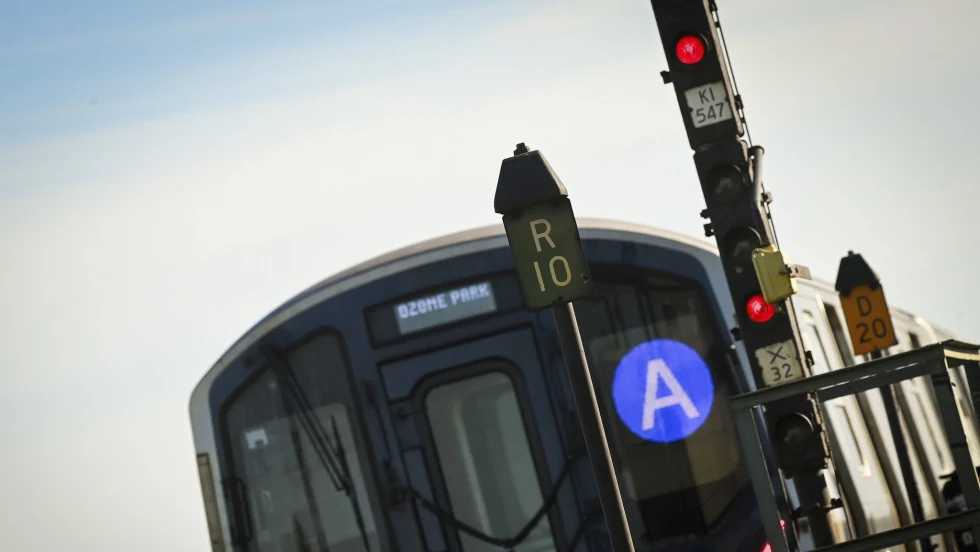
New York MTA Launches Historic $1.9B Signal, Track Modernization Project
Funded in part by congestion pricing revenue, the project will replace nearly century-old signals along the A and C lines in Brooklyn and Queens.
Read More →
Brian Dickson on Building Stronger, More Resilient Transportation Organizations
Bus Business Consultants Founder Brian Dickson discusses the leadership principles, operational discipline, and strategic planning that separate transportation companies positioned for long-term success from those stuck in survival mode.
Read More →
LA Metro Breaks Ground on Vermont BRT Project
The 12.4-mile corridor is projected to serve 66,200 daily riders, reduce travel times by up to 24%, and create the nation's busiest bus rapid transit corridor.
Read More →
Building Stronger Leaders, More Resilient Transit Teams
Dr. Carol Parker Walsh discusses leadership development, employee retention, workplace culture, and preparing transit’s workforce for AI and automation.
Read More →
Roman Cornell on ABC Companies’ Evolution and the Future of Passenger Transportation
The company’s CEO discusses carrying forward a third-generation family legacy, ABC’s continued evolution in passenger transportation, support for increasingly complex fleets, and how technology and continued investment could help operators improve uptime.
Read More →
CATS Launches West Charlotte Microtransit Zone, Expands Transit Services
The new microtransit zone connects residents to key destinations as Charlotte Area Transit System rolls out the first phase of its 2055 Transit System Plan.
Read More →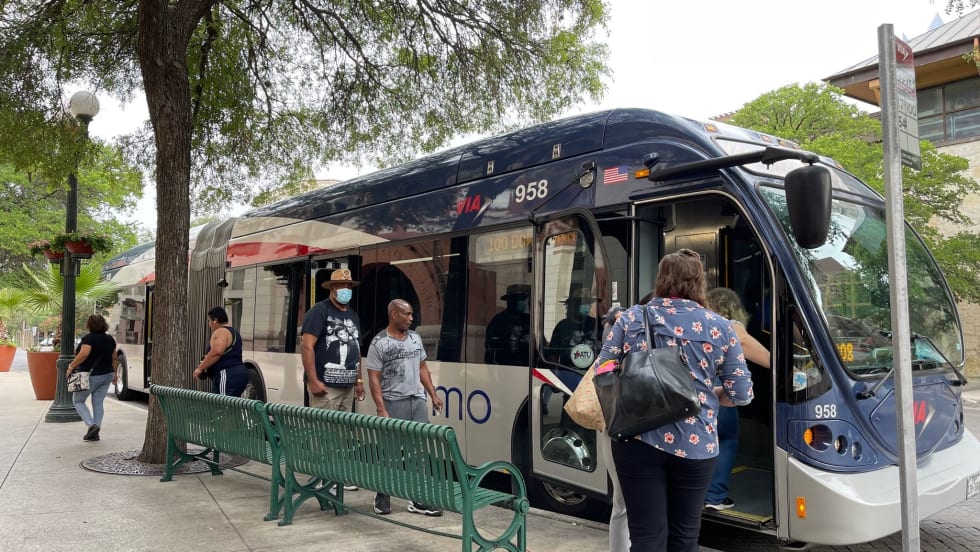
VIA Bus Ridership Grows 10.1% Through August 2026
San Antonio's VIA Metropolitan Transit reported the highest bus ridership growth among major Texas transit systems. Federal Transit Administration data ranked it second among the nation's 50 largest transit systems.
Read More →
CSA Group Releases Climate Resilience Standard for Transit, Passenger Rail
Developed with support from the Standards Council of Canada, CSA D700 guides assessing climate-related risks and planning adaptation measures for transit and passenger rail systems.
Read More →
ETA CEO John Maglio on Transit Technology, Innovation, and Building Agency Trust
ETA founder and CEO John Maglio explores the evolution of transit technology, the importance of reliable systems, and how stronger partnerships can help agencies improve operations and the passenger experience.
Read More →
COTA Launches First Customer Experience Action Plan to Improve Transit Service
The new plan outlines improvements to service reliability, accessibility, communication, and the overall rider experience across Central Ohio's transit system.
Read More →