



Optibus Launches Timetable Optimization
In initial trials of Timetable Optimization, customers saw an additional 5% reduction in required vehicle count, deadheads, and operational expenses.
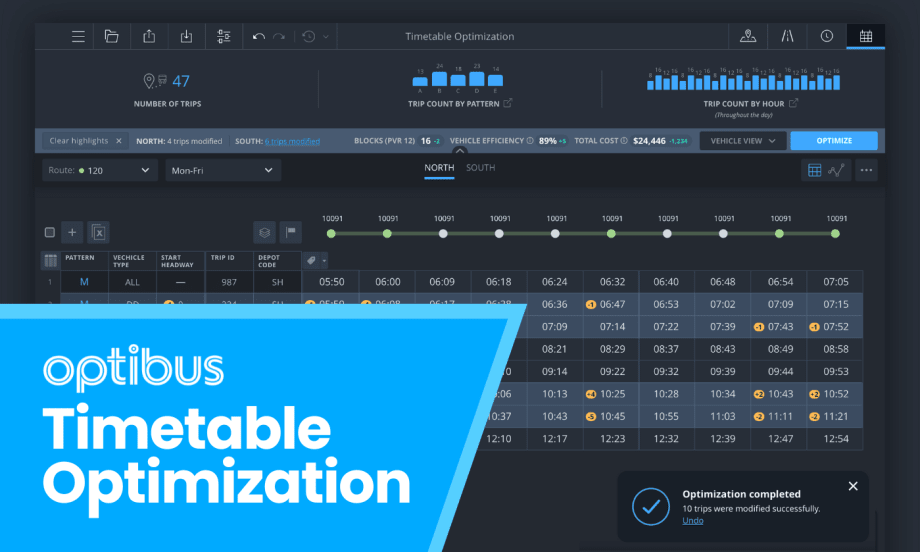
The feature is included within Optibus’ Planning module, which streamlines planning by housing all functions on a single, end-to-end platform.
Photo: Optibus
Optibus announced the launch of Timetable Optimization, which allows customers to minimize costs and peak vehicle requirements (PVR) for operating services while improving timetables and maintaining service quality.
The launch follows successful beta trials with Arriva Portugal and Chartered Speed in India, among others. In initial trials of Timetable Optimization, customers saw an additional 5% reduction in required vehicle count, deadheads, and operational expenses.
“Timetable Optimization from Optibus allowed TST, an Arriva Group company, to decrease the work time on timetables by delivering a more efficient solution, not only increasing the operational efficiency but also the planning productivity,“ said Duarte Cunha of the planning department of TST, an Arriva Group Company.
Optibus’ optimization algorithms improve the efficiency of the timetable and apply changes to both trip directions, saving time by eliminating the labor and guesswork involved in manually offsetting trips.
Optibus’ dashboard visualizes changes that occurred through optimization, including stop times, number of trips modified in each direction (e.g. 4 Northbound, 8 Southbound), and the impact on business metrics including blocks (PVR), vehicle efficiency (%), and total cost.
Timetable Optimization is a solution that calculates costs while accounting for daily fixed costs (for both drivers and vehicles), drivers’ hourly wages, distance unit cost per vehicle, and custom preferences regarding layovers, route connections (e.g. interlining), and the deadhead catalog.
“The quality of a transport system can be measured by the quality of the software used to build and operate it. Timetable Optimization is one more Optibus capability that replaces inefficient, legacy processes with a powerful digital platform backed by optimization algorithms and cloud computing. Planners can now predict better than ever the impact of their timetables, leading to a new level of service quality, cost savings, and work efficiency,” said Amos Haggiag, CEO/co-founder, Optibus.
The feature is included within Optibus’ Planning module, which streamlines planning by housing all functions on a single, end-to-end platform. Other solutions separate planning processes and data into different silos.
More Technology
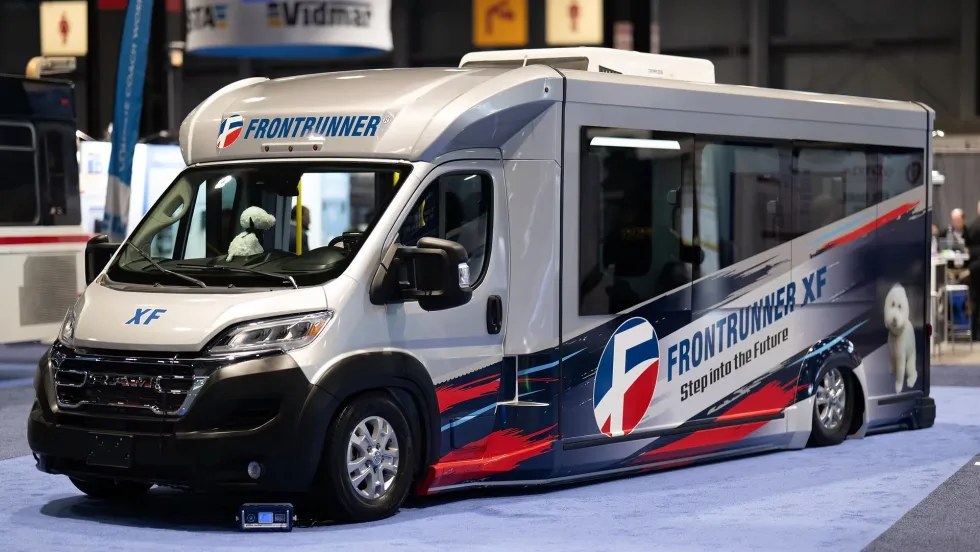
Frontrunner Bus Group Introduces XF Low-Floor Bus with Enhanced Accessibility
The new mid-sized bus features a full flat-floor design, eight-inch curbside step-in height, and zero-entry rear ramp to improve passenger access and operational flexibility.
Read More →
Building a Flexible Path to Transit Electrification with BAE's John Hroncich
John Hroncich discusses BAE Systems’ modular and scalable approach, lessons learned from decades of real-world operations, and how agencies can identify electrification strategies that fit their fleets.
Read More →
Scenes from APTA TRANSform & EXPO 2026
Transit leaders, manufacturers, and industry professionals gathered in Chicago to explore new technologies, share ideas, and discuss the future of public transportation.
Read More →
Biz Briefs: New Flyer Secures Additional 100-Bus Order from WMATA and More
In METRO's latest installment, we also take a look at recent news from Masabi, MCI, Samsara, and more partnerships making headlines across the transportation sector.
Read More →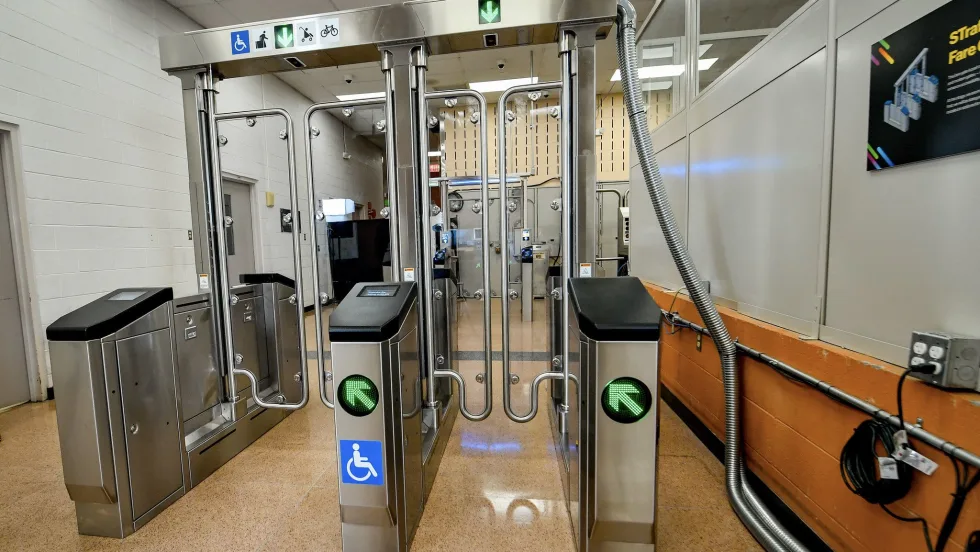
MTA Fare Gate Pilot Reduces Fare Evasion by 35%
Following a 20-station pilot, the agency plans to install new fare gates at 20 additional subway stations as part of a $1.1 billion modernization initiative.
Read More →
California Law Extends AC Transit’s Bus Lane Camera Enforcement
The new law allows AC Transit to continue using forward-facing bus cameras to enforce parking violations in bus-only lanes and at bus stops.
Read More →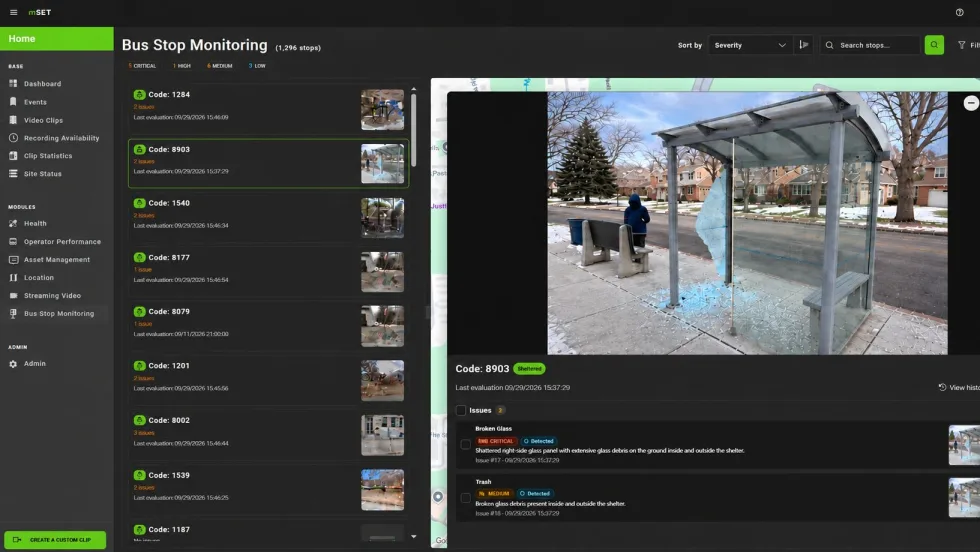
Biz Briefs: Luminator Launches AI Technology to Monitor Bus Stop Conditions and More
In METRO's latest installment, we also take a look at recent news from Masabi, Troman Industries, ioki, CCW, and more partnerships making headlines across the transportation sector.
Read More →
Public Transit Conference Returning to GFX in 2027, Call for Papers Now Open
The Call for Papers is now open, allowing transit agency professionals and industry experts to help shape the PTC educational program by submitting session ideas for consideration.
Read More →
ENC Lands MATA Contract and More in Biz Briefs
In this edition of Biz Briefs, we spotlight the latest developments shaping the future of mobility.
Read More →
Strada360’s Steve Lassey on Turning Transit Data Into Better Decisions
From breaking down data silos to preparing for AI, Strada360 CEO Steve Lassey discusses how transit agencies can use technology to improve operations, customer information, and long-term decision-making.
Read More →