



Pace addresses paratransit growth with outreach
In 2006, Pace assumed responsibility for paratransit operations in Chicago from the CTA. Prior to that, the agency ran paratransit only in the suburbs.

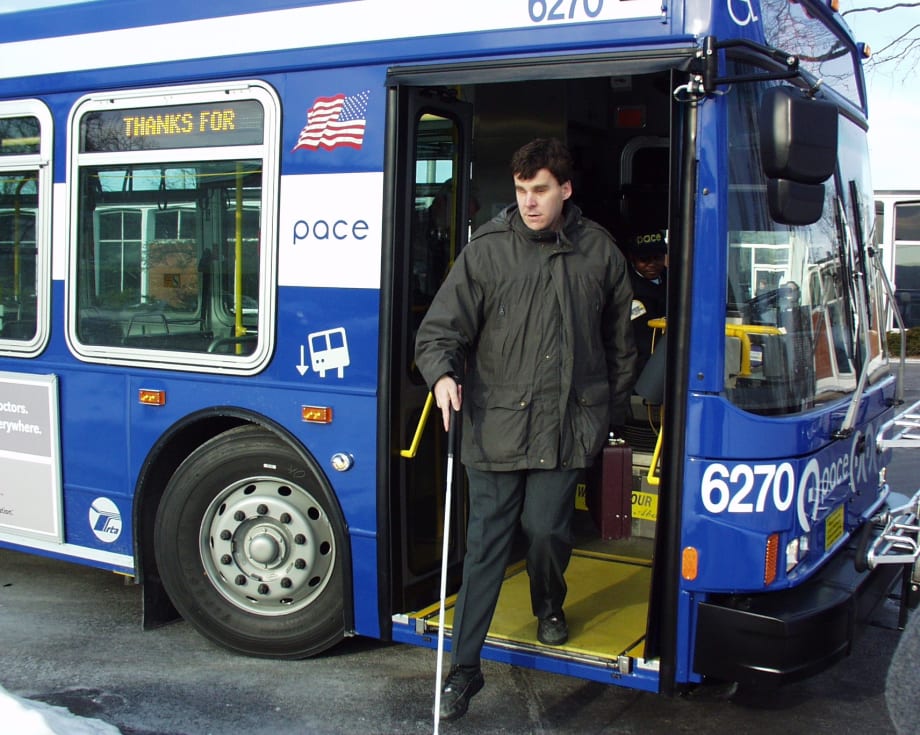

With a service area of 3,446 square miles spanning six counties, Arlington Heights, Ill.-based Pace Suburban Bus provided more than 39 million rides in 2012 on its 199 fully accessible fixed-route buses, 454 paratransit vehicles and 694 vanpools.
The agency was created by the 1983 RTA Act to unify the numerous disparate suburban bus agencies that existed at that time. In doing so, fares, branding and management were made consistent throughout the region. On July 1, 1984, the consolidated agency began operations as the Suburban Bus Division of the Regional Transportation Authority (RTA). A year after that, the brand name “Pace” was established.
For its first few years, Pace focused on the unification efforts and renewing its bus garages and fleet, but rapid population and employment growth in the suburbs led to multiple strategic planning and long range planning efforts that took place in the late 1980s and throughout the 1990s. In 2002, Pace launched the biggest transit initiative ever proposed for Chicago’s suburbs, called “Vision 2020: Blueprint for the Future.” The innovative plan is creating a faster network that is more convenient and simpler to understand.
In 2006, Pace assumed responsibility for paratransit operations in Chicago from the Chicago Transit Authority (CTA). Prior to that, the agency ran paratransit only in the suburbs. The expanded responsibilities put a strain on both Pace’s budget and resources.
“We ran into some issues with funding in recent years, and while we found solutions to improve the funding situation, we also were looking at ways to bring [paratransit service] demand down somewhat,” Patrick Wilmot, spokesperson for Pace, explains.
One way Pace tried to alleviate demand was to promote the benefits of using fixed-route service to its paratransit customers.
“We never believed we would encourage people to use fixed-route completely instead of paratransit, but just to get them thinking for some trips there may be some advantages to using fixed-route instead,” Wilmot says.
Those advantages include flexibility of travel, since paratransit trips have to be scheduled 24 hours in advance and fixed-route buses provide travelers with a wider array of destinations.
Additionally, using regular fixed-route services is cheaper for customers than paratransit, with some seniors and the disabled able to qualify for a Benefit Access Program (BAP) card that allows them to ride Pace, CTA and Metra commuter rail services free of charge. Those who don’t qualify can still take advantage of reduced fares.
To help spread the word to passengers, Pace began an advertisement and video campaign using a rider with disabilities acting as an ambassador to help customers relate better to its messaging.
“Through talking with some riders, we got the feeling they may feel it is easy for us to suggest they use fixed-route services, but it can carry more weight when they hear it from someone whom they can relate better to,” Wilmot says.
Pace also partnered with a local advocacy organization called JJ’s List to create online resources, including how-to ride videos that are housed on its website as well as YouTube, and works with the RTA, who also has a travel training program.
Finally, the agency will bring out a full-size bus to outreach events at high schools, colleges and other organizations that have programs for people with disabilities so they can learn a multitude of skills needed to ride fixed route, including how to read a schedule, pay a fare, request a stop and use wheelchair ramps.
While being able to track results of its program is difficult, Pace has seen growth in the number of fixed-route rides being taken by customers who have BAP cards — up 39% in 2012 versus 2011 — and the number of times its lifts and ramps have been deployed on fixed-route buses, which was up 15% in 2012 compared with 2011.
“We know it may not be an option for everyone with a disability in the region, but for some there are some clear advantages,” Wilmot says. “By reaching out to our customers, we can start to get them thinking more about it being a good option for them.”
More Paratransit

Driving Smarter Paratransit
John Hanlon shares how AlphaRoute is leveraging AI-powered technology to help paratransit providers optimize operations, support frontline staff, and enhance the rider experience.
Read More →
METRO Magazine Announces 2026 Innovative Solutions Awards Winners
Projects Recognized for Advancing Mobility Through Technology, Accessibility, Workforce Innovation, and Operational Excellence
Read More →
Biz Briefs: STV teams with Amtrak, Motorcoach Operators Boost Fleet and Land Contracts, and More
From manufacturers and suppliers to transit agencies and motorcoach operators, these updates offer a snapshot of the projects, partnerships and business moves driving the industry forward.
Read More →
Biz Briefs: Masabi Teams with St. Louis Metro and More
In METRO's latest installment, we take a look at recent news from Transdev, Hitachi, and more partnerships making headlines across the transportation sector.
Read More →
New York MTA Leverages Zoning Program to Advance Station Accessibility
Accessibility enhancements at Nevins St Station will be financed through a development agreement tied to the MTA's Zoning for Accessibility initiative.
Read More →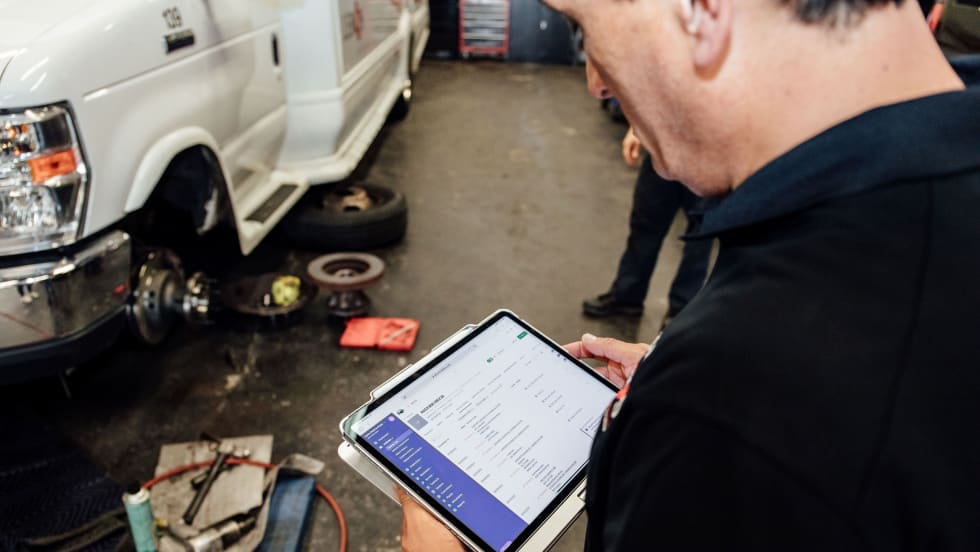
Reinventing Fleet Maintenance with Real-time Visibility and AI
Transit leaders need to know what needs fixing, where to look, who is responsible, when work is completed, and what it costs without having to chase information across disconnected systems.
Read More →
SamTrans Sets Priorities for Potential Connect Bay Area Revenue
The board-approved framework allocates future funding to maintaining service, rider improvements, equity initiatives, and infrastructure repairs.
Read More →
Chicago's NITA Act Moves Into Next Phase as Service Improvements Begin
Rider-focused improvements will begin rolling out across the system immediately as CTA, Metra, and Pace increase service this summer in the six-county region.
Read More →
2026 METRO Buyer’s Guide & Directory
Searching for the right vehicles, technology, equipment, or services for your public transit or motorcoach operation? This industry guide brings together manufacturers and suppliers from across the transportation market — all in one place. Download it to connect with the companies that help agencies and operators improve mobility, enhance operations, and move their organizations forward.
Read More →
Rays the Mark Foundation to Honor CDTA’s Emily DeVito at October Fundraiser
Event at Chicago-area Ravisloe Country Club will support DeVito, a transit employee and mother of twins battling kidney failure and awaiting a transplant.
Read More →