



Parking rates hold steady in 2010, rise expected in 2011
Highest U.S. commercial business district parking rates found in New York City, Boston and San Francisco. Rates are expected to trend upward in 2011, Colliers reports.

Parking rates in North American central business districts (CBDs) held firm over the past 12 months, according to the Colliers International 10th Annual Parking Rate Survey, despite overall downward pressure on sale prices and leasing rates in other segments of the commercial real estate market.
The median monthly parking rate for the 44 U.S. CBDs surveyed increased by 1.1 percent from June 2009 to June 2010, reaching $161.56. The median monthly rate in the 12 Canadian cities surveyed increased by two percentage points in the past year to $224.10 CAD. The median daily rate for the U.S. decreased by 1.4 percent to $16.36 during the period, while the median daily rate in Canada climbed by two percent to $14.83 CAD.
With the economic recovery unfolding in slow-motion, parking rates are expected to show little change over the next 12 months, Colliers reports. Rates are expected to trend upward beginning in the second half of 2011, however.
Stabilizing office occupancies is one of the underlying reasons for the slight uptick in monthly parking rates. Supply and demand is another major factor in the stability of parking rates in North America, according to Ross J. Moore, executive vice president and chief economist for Colliers International in the U.S.
"Parking availability in only four of the 56 Central Business Districts surveyed were described as 'abundant' with the remainder being 'fair' or 'limited,'" said Moore. "That situation is not expected to change much, with only six new garages containing less than 4,000 spaces to be added in the next two years in the U.S. and 10 new garages with 1,800 spots to be added in Canada."
New York City's two CBDs again topped this year's list of the most expensive cities to park in the U.S., with Midtown Manhattan's monthly median price tag hitting $538 and Downtown not far behind at $529. Both were more than three times the national average. Following Manhattan's two CBDs was Boston at $425, San Francisco at $375, and Chicago at $320.
Canada's top five included (in Canadian dollars) Calgary at $453.38, Toronto at $336.25, Montreal at $280.62, Edmonton at $275.00, and Vancouver at $266.81.
Among the U.S. cities with the lowest median monthly parking rates were Phoenix at $40, Reno, Nev. at $45, Walnut Creek/East Bay, Calif. At $47.50, Ft. Lauderdale, Fl. at $53 and Bakersfield, Calif. at $55. Canada's bargain spots include Kitchener-Waterloo, Ontario at $116.94 CAD per month and Saskatoon, Saskatchewan at $147 CAD.
Data for the 2010 Parking Rate Survey was collected during the month of June 2010 and includes all relevant taxes. Sources for the data include third parties, owners/operators and Colliers International. Survey data includes only covered or underground parking garages in prime central business districts.
More New Mobility

Biz Briefs: STV teams with Amtrak, Motorcoach Operators Boost Fleet and Land Contracts, and More
From manufacturers and suppliers to transit agencies and motorcoach operators, these updates offer a snapshot of the projects, partnerships and business moves driving the industry forward.
Read More →
Biz Briefs: Masabi Teams with St. Louis Metro and More
In METRO's latest installment, we take a look at recent news from Transdev, Hitachi, and more partnerships making headlines across the transportation sector.
Read More →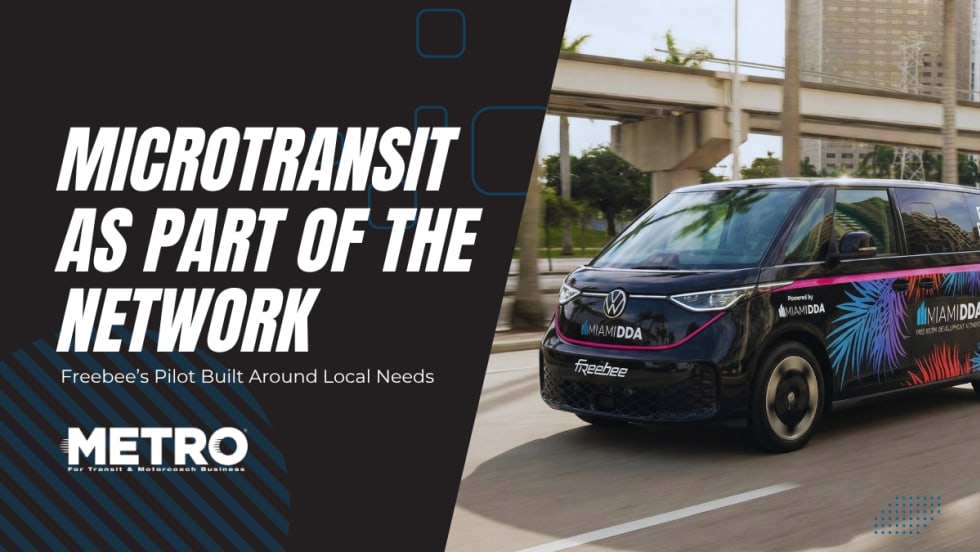
Microtransit's Next Test: Becoming Part of the Network
Freebee shows how electric microtransit is moving beyond pilots to fill network gaps, connect riders to transit, and prove lasting value.
Read More →
Ford to Leave JTA After More Than 10 Years as CEO
He plans to continue his work advancing innovative mobility solutions to improve the quality of life in communities across the nation. He did not announce specific plans.
Read More →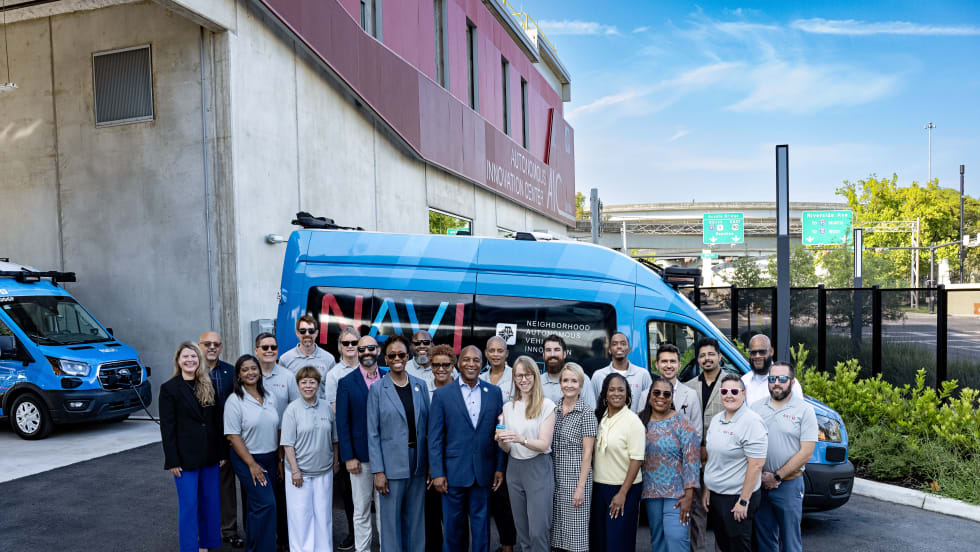
Florida's JTA Marks One Year NAVI Anniversary
During its first year of operation, NAVI has transported over 15,200 passengers and traveled more than 61,000 miles in autonomous mode without a safety incident caused by the autonomous driving system.
Read More →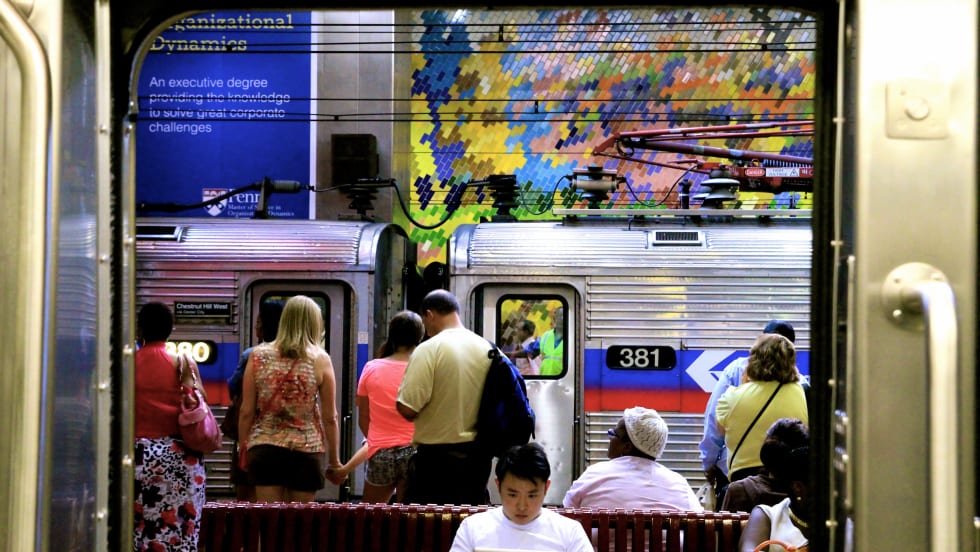
SEPTA Board Approves FY2027 Budget Amid Funding Challenges
The spending plan represents an increase of just 1.9% over the current year and includes investments in new buses, additional full-length fare gates, and other customer enhancements.
Read More →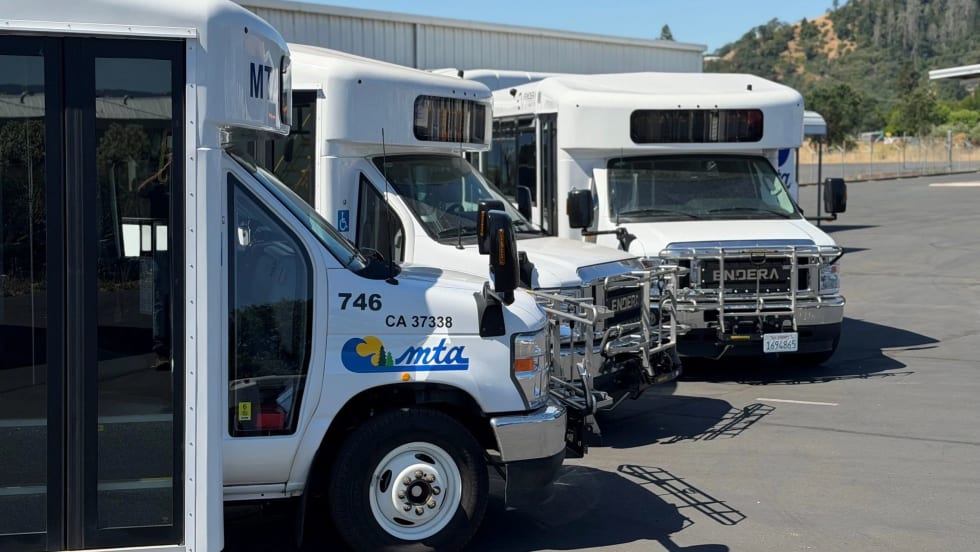
Biz Briefs: Endera Delivers to California, Safety Vision Teams with San Antonio's VIA, and More
From manufacturers and suppliers to transit agencies and motorcoach operators, these updates offer a snapshot of the projects, partnerships and business moves driving the industry forward.
Read More →
Modernizing Mobility with CharterUP CEO Armir Harris
From digital transformation to evolving customer demands, CharterUP's Armir Harris offers his perspective on the transportation industry's next chapter.
Read More →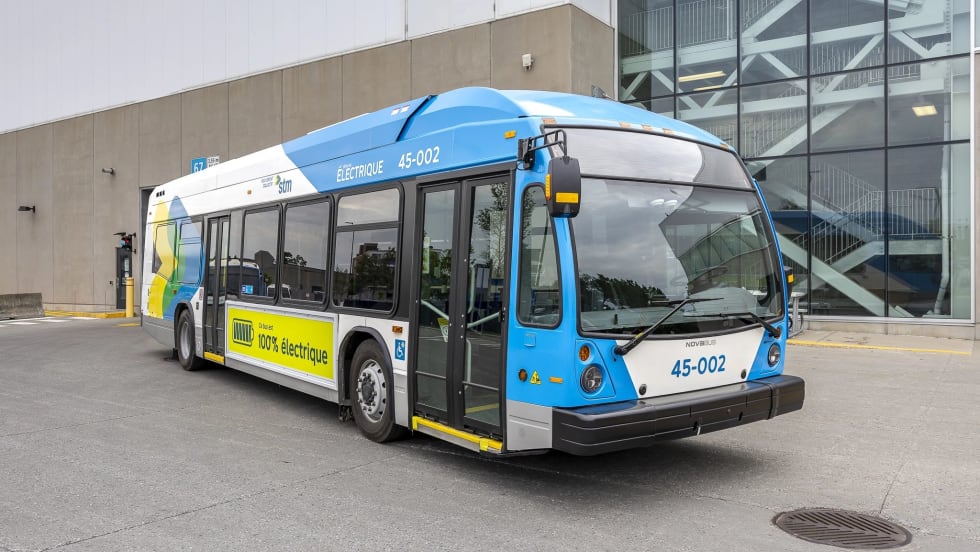
Biz Briefs: Montréal Debuts Nova Electric Buses and More
In this edition of Biz Briefs, we spotlight the latest developments shaping the future of mobility.
Read More →
6 Transit Management Lessons for Colleges and Universities Facing Seasonal Demand Swings
College transportation demand swings wildly throughout the year. Fleet strategies are starting to catch up.
Read More →