



Peter Rogoff to lead Seattle's Sound Transit
Current Sound Transit CEO Joni Earl, who has been on medical leave, will retire in March 2016 following the opening of the University Link light rail line. Deputy CEO Mike Harbour, who did not apply for the CEO position, will continue to serve as the agency’s acting CEO until Rogoff’s arrival.


FTA

FTA
Seattle’s Sound Transit Board unanimously selected former Federal Transit Administrator Peter M. Rogoff as its new CEO.
“Sound Transit has earned the public’s trust and a nationwide reputation for it success delivering transit infrastructure for the people of Puget Sound,” Rogoff said. “As its new CEO, I am excited and determined to expand on that legacy as we build projects and expand service in all three counties.”
As Under Secretary of Transportation for Policy, Rogoff provides leadership in the development of policies for the department, generating proposals and guidance regarding legislative, regulatory and safety initiatives. His work spans all transportation modes, including aviation, highway, rail, transit and maritime transportation. As Federal Transit Administrator, Rogoff negotiated and signed a record number of full funding grant agreements with transit agencies across the nation to expand rail and bus rapid transit infrastructure.
Current Sound Transit CEO Joni Earl, who has been on medical leave, will retire in March 2016 following the opening of the University Link light rail line. Deputy CEO Mike Harbour, who did not apply for the CEO position, will continue to serve as the agency’s acting CEO until Rogoff’s arrival.
While the agency works to complete current voter-approved projects, Rogoff will lead the staff’s work to support the work of the Sound Transit Board in shaping a major Sound Transit 3 package of further regional transit expansions, planned for voter consideration in November 2016.
Board members also praised Earl’s accomplishments at Thursday’s meeting. Since arriving at Sound Transit 15 years ago, Earl has successfully led the agency forward from the 2000-2002 near collapse of plans to build a regional mass transit system. Today, Sound Transit is on track to open more than 30 additional miles of voter-approved light rail extensions by 2023, establishing a 50-mile regional system. Earl’s retirement early next year will coincide with the under-budget and ahead-of-schedule opening of the University Link light rail extension that she took back to the drawing board in 2001.
More Management
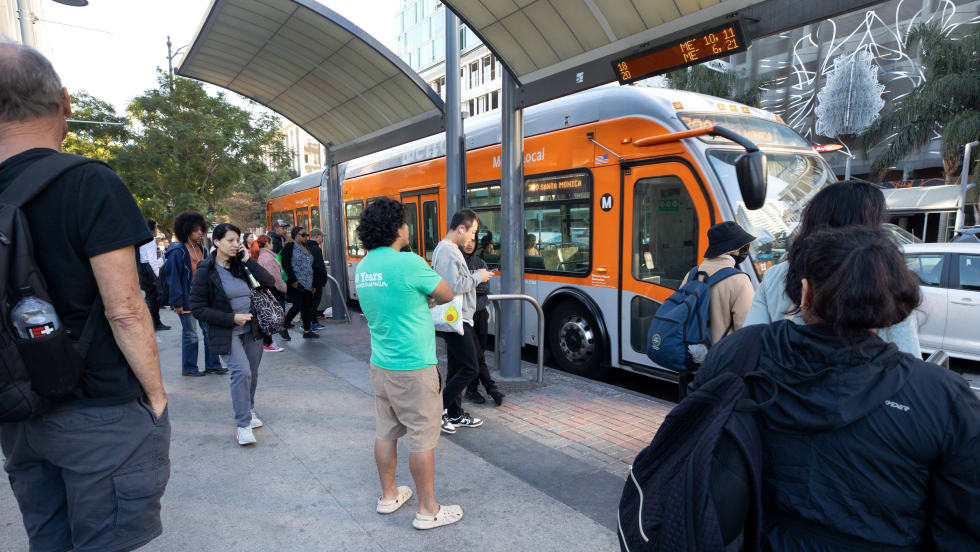
LA Metro Ridership Continues Growth as Rail Gains Accelerate
New rail connections and major events help drive continued ridership gains, with Metro recording its eighth consecutive month of year-over-year rail growth.
Read More →
TransDASH Summit Focuses on Measuring What Matters in Transit
Transit agencies unveil a national performance platform designed to benchmark customer experience, safety, community value, and other outcomes.
Read More →
Jacksonville’s NAVI Project Charts a New Course for Autonomous Public Transportation
Through its NAVI program, JTA is showing how autonomous vehicles, intelligent infrastructure, and coordinated operations can work together to deliver everyday public transportation.
Read More →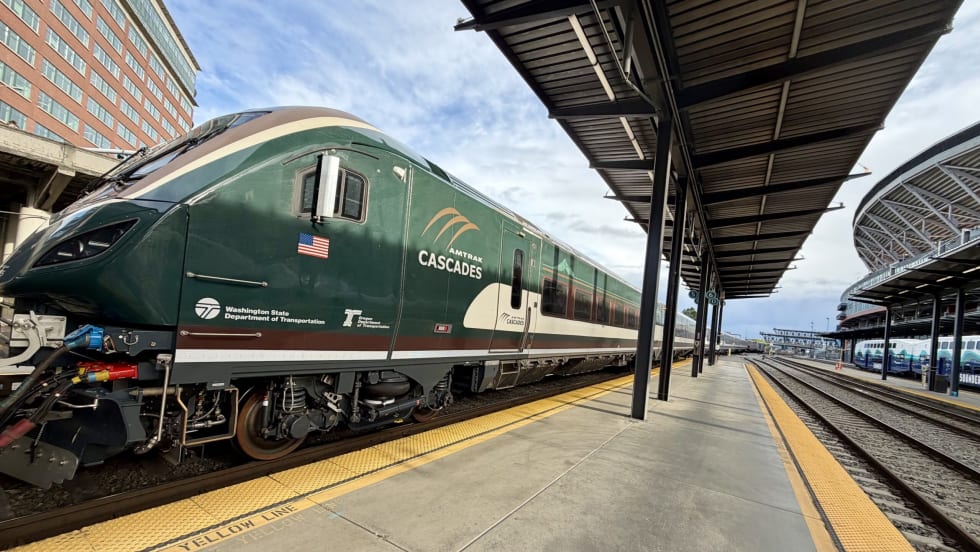
FRA Announces $5.3B in Rail Investments, Including $2B for Amtrak
Funding will support grade-crossing improvements, infrastructure upgrades, and new Amtrak equipment in 23 states.
Read More →
Finding the ‘Happy Medium’: Optimizing Maintenance Without Sacrificing Reliability
The key to maintenance optimization isn’t doing less work—it’s doing the right work at the right time on the right assets.
Read More →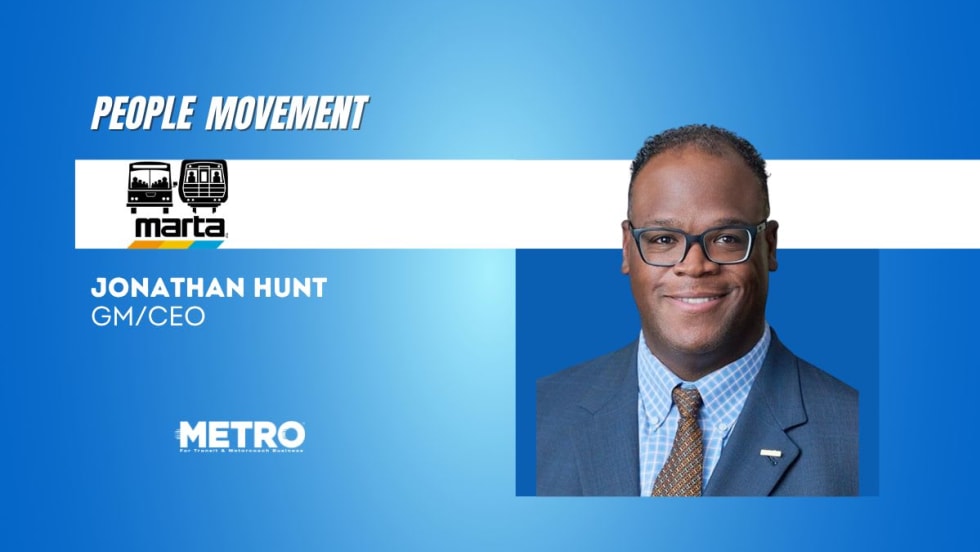
People Movement: MARTA Drops Interim Tag on GM/CEO Hunt and More
In this edition, METRO covers recent appointments and announcements at the FMCSA, HDR, SilverRide, and more, showcasing the individuals helping to shape the future of transportation.
Read More →
VIA Metropolitan Transit Reports 2 Million More Passenger Trips as Better Bus Plan Gains Momentum
San Antonio's transit agency said accelerated service improvements are driving ridership growth, offering another example of how increased frequency and workforce investments can translate into stronger transit performance.
Read More →
ABAF Study Reveals Growing Insurance Crisis for Motorcoach Operators
Preliminary findings show 98% of operators faced premium increases over the past five years, while shrinking insurer participation is putting added pressure on businesses and customers.
Read More →
PSTA Modernizes Workforce Management with Digital Bidding System
The award-winning Workforce Transit Modernization project replaced paper bidding with a transparent digital platform, cutting administrative effort while improving access for operators.
Read More →
Chicago to Host Public Transportation's Biggest Gathering at APTA TRANSform & EXPO 2026
North America’s largest public transportation gathering returns to Chicago, connecting transit decision-makers with the technologies, ideas, and partnerships driving the industry forward.
Read More →