



Peter, Soussan to head Siemens Mobility Division
The pair will succeed Jochen Eickholt, who has been appointed integration manager for the announced merger of Siemens' and Alstom's mobility businesses.

Sabrina Soussan and Michael Peter were appointed to succeed Jochen Eickholt as head of Siemens' Mobility Division, effective Oct. 1. Eickholt has been appointed integration manager for the announced merger of Siemens' and Alstom's mobility businesses, effective the same date.
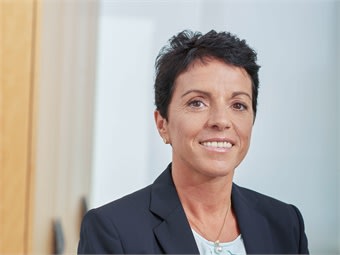
Sabrina Soussan
In addition to heading the Mobility Division, Soussan will remain CEO of its Mainline Transport and Urban Transport Business Units. In this capacity, she will continue to be responsible for the division's businesses in the areas of high-speed trains, commuter and regional trains, locomotives, metro systems, and tram and light rail systems, and will now also head its service business, in addition. Over the last 20 years, Soussan has held a variety of positions at Siemens in Germany, France, Japan, the UK, and Switzerland.
Peter will also continue to serve as CEO of the Mobility Management Business Unit in addition to heading the Mobility Division. Additionally to his current responsibility for rail automation and traffic management systems, he will now head the company's turnkey solutions and rail electrification businesses.

Michael Peter
"Sabrina Soussan and Michael Peter have all the qualifications needed to successfully head the Mobility Division until its merger with Alstom. Soussan has put Siemens' high-speed and local and regional train businesses back on track, while Mr. Peter has very successfully managed our Mobility Management Business Unit, the uncontested technology leader in rail automation. Together, they'll drive our mobility business and further enhance its performance," said Roland Busch, member of the Managing Board of Siemens AG. "I'd also like to thank Jochen Eickholt for his successful work as CEO of the Mobility Division and wish him every success in the important task of merging the businesses of Siemens Mobility and Alstom."
Siemens' Mobility Division offers innovative solutions for rail and road transportation and for networked mobility worldwide. In fiscal 2016, the division's roughly 27,000 employees generated revenue of approximately $9.1 billion with a profit margin of 8.7%. On Sept. 27, Siemens and Alstom jointly announced the integration of their mobility businesses in a merger of equals. Closing is expected by the end of 2018, subject to regulatory approval.
More Rail
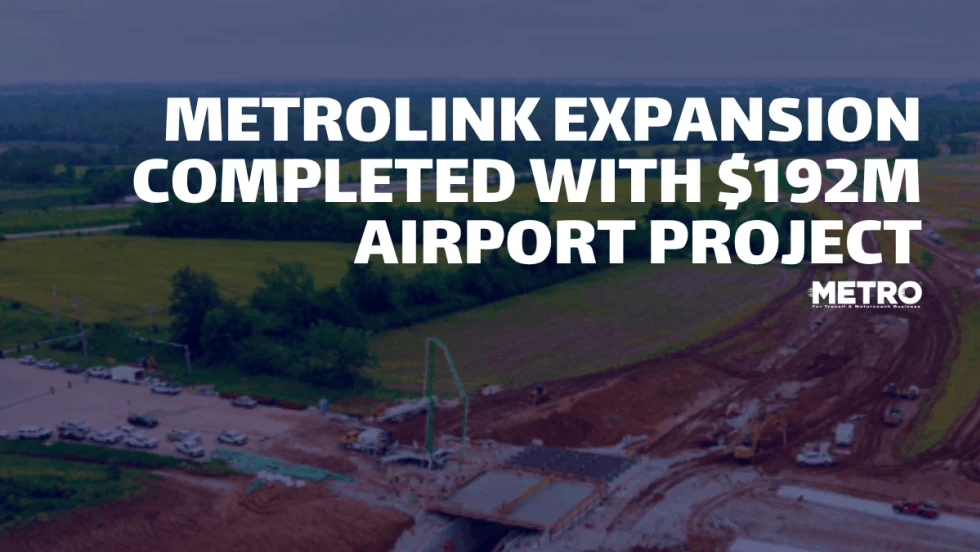
First Full MetroLink Rail Expansion Completed in 20 Years with $192M Airport Project
The project links two St. Louis-area airports by light rail while adding roadway and bike trail connections to improve regional access and mobility.
Read More →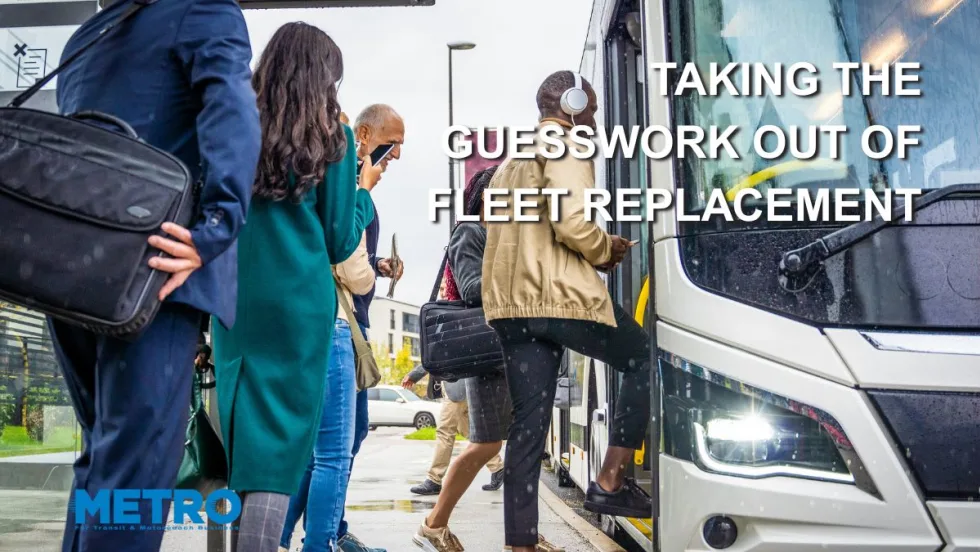
Utilimarc Launches SmartReplace to Optimize Fleet Replacement Decisions
AI-powered SmartReplace helps fleets prioritize vehicle replacements, model budget scenarios, and build more defensible long-term strategies.
Read More →
Scenes from APTA TRANSform & EXPO 2026
Transit leaders, manufacturers, and industry professionals gathered in Chicago to explore new technologies, share ideas, and discuss the future of public transportation.
Read More →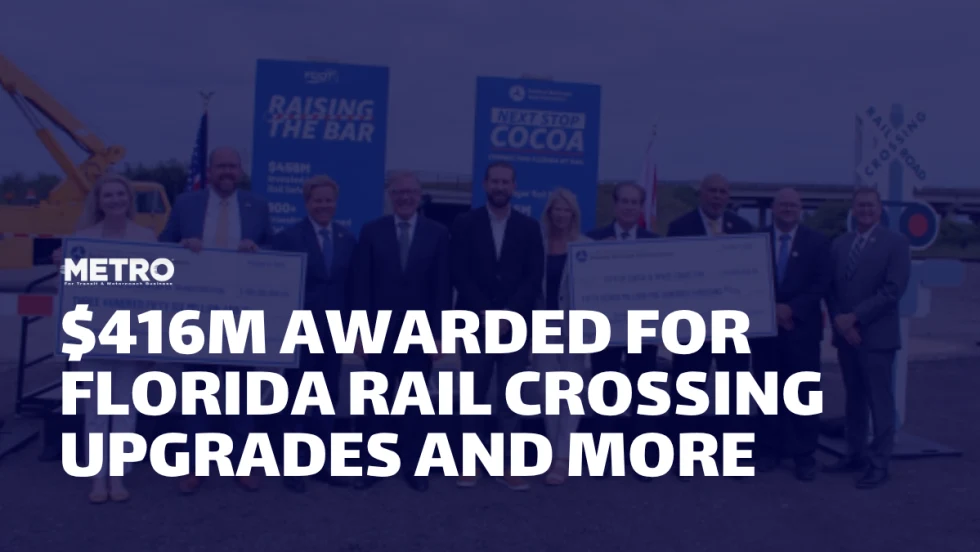
USDOT Awards $416 Million for Florida Rail Crossing Safety Upgrades, New Brightline Station
The projects aim to reduce risks for motorists and pedestrians at rail crossings while expanding passenger rail access along Florida’s Space Coast.
Read More →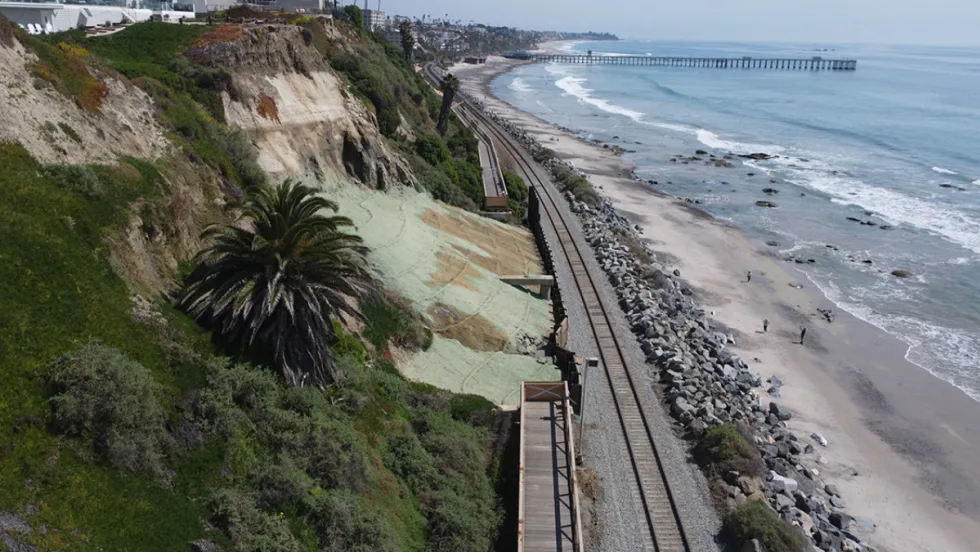
OCTA Declares Emergency to Protect Rail Corridor From Coastal Erosion
The California agency is accelerating shoreline protection and plans to place approximately 690,000 cubic yards of sand along the San Clemente coast to protect a key passenger and freight rail link.
Read More →
More Than a Summer Job: Building the Next Generation of Transit Talent
The Delaware River Port Authority and PATCO have transformed their internship program into a hands-on professional development experience that introduces students to the breadth of transportation careers — and creates a pipeline for future employees.
Read More →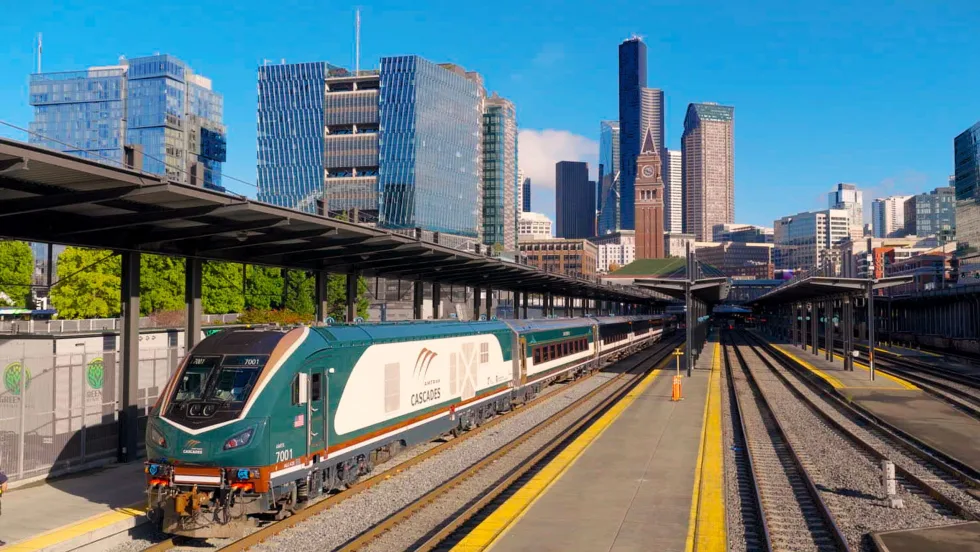
Airo Trains Make Their Amtrak Cascades Debut in the Pacific Northwest
Effective immediately, two cutting-edge Airo trainsets will join the Amtrak Cascades route, operating four daily trips between Vancouver, B.C., Seattle, Portland, and Eugene, Oregon, marking the first introduction of Airo trains into passenger service anywhere in the country.
Read More →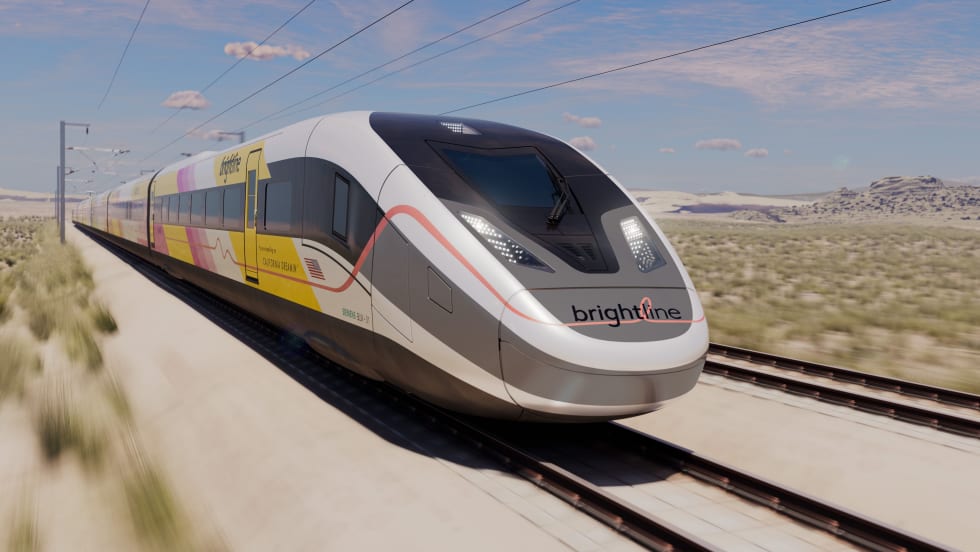
Florida's Brightline Announces Financial Restructuring
Brightline Florida says train operations will continue as normal as certain parent entities enter Chapter 11 and financial stakeholders provide $490 million in new long-term capital.
Read More →
ENC Lands MATA Contract and More in Biz Briefs
In this edition of Biz Briefs, we spotlight the latest developments shaping the future of mobility.
Read More →
Strada360’s Steve Lassey on Turning Transit Data Into Better Decisions
From breaking down data silos to preparing for AI, Strada360 CEO Steve Lassey discusses how transit agencies can use technology to improve operations, customer information, and long-term decision-making.
Read More →