



Pittsburgh Rolls Out New Courtesy Campaign
The campaign features a character with deep local roots — a pickle.

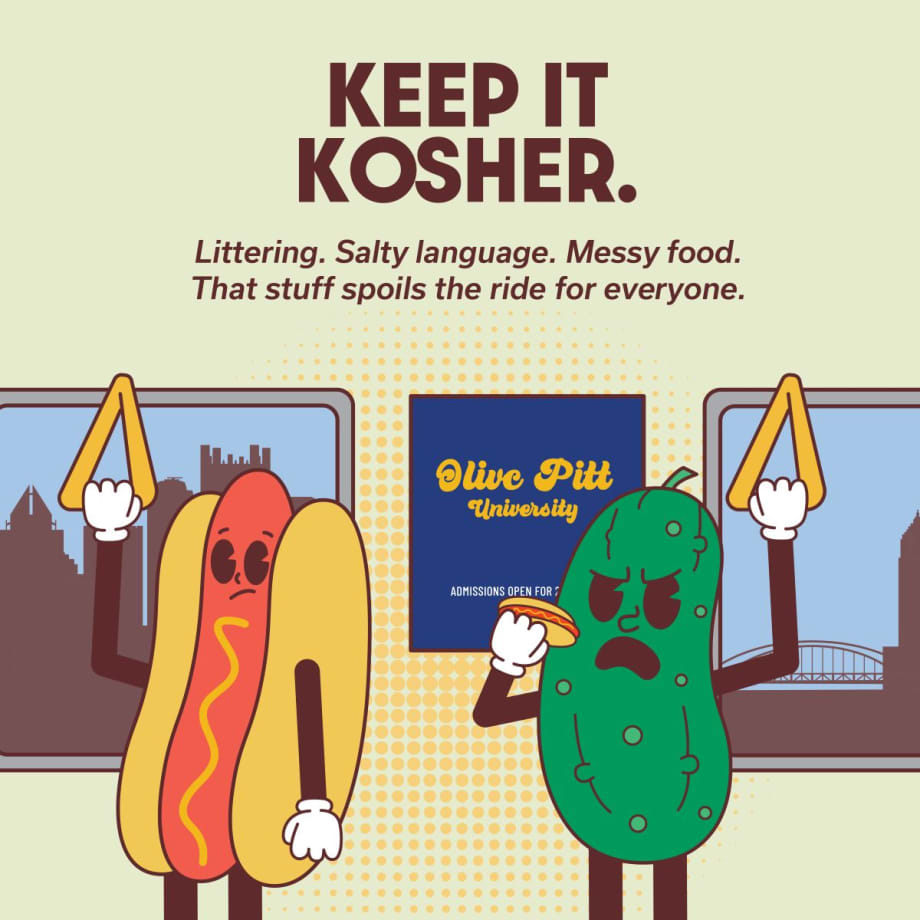
The campaign’s messages were shaped by rider feedback gathered over the past year, pinpointing the most common frustrations on public transit.
Photo: PRT
Pittsburgh Regional Transit (PRT) is taking a fresh approach to improving rider etiquette with a brand-new campaign rolling out this month across its fleet of buses and light rail vehicles.
The campaign features a character with deep local roots — a pickle.
Pickles and Safety
Pittsburgh has long had a thing for pickles — from the H.J. Heinz Company’s iconic “57 varieties” to the beloved Picklesburgh festival, which draws thousands to the city every summer.
Now, the salty character is taking to the transit system, breaking the rules to show riders that small courtesies can make a big difference.
“We’ve all had that ride — the one with the booming music, the seat-hogging commuter, or the unexpected cloud of vape smoke,” said PRT CEO Katharine Kelleman. “These might not be the biggest problems in the world, but they can definitely sour a trip. This campaign is a fun, lighthearted way to remind everyone that a little courtesy goes a long way.”
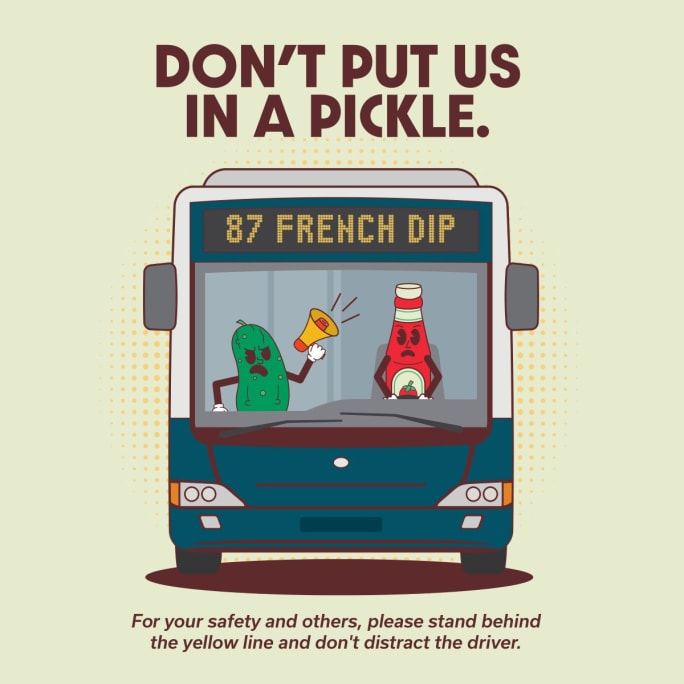
From keeping noise levels in check to making room for fellow passengers, PRT's campaign reinforces simple yet meaningful ways to create a better experience for everyone.
Photo: PRT
Shaping the Message
The campaign’s messages were shaped by rider feedback gathered over the past year, pinpointing the most common frustrations on public transit.
Designed in partnership with Red House Communications, the campaign features playful illustrations of animated food characters navigating everyday transit scenarios — making etiquette advice both memorable and entertaining.
Pittsburgh’s history with pickles runs deep, from the Heinz pickle pins handed out at the Chicago World’s Fair in 1893 to the towering pickle balloon that floats above the Roberto Clemente Bridge every summer.
Now, the city’s pickle pride is rolling into PRT vehicles, reminding riders that a little sweetness can make for a smoother ride.
Riders will start spotting these colorful reminders across transit vehicles this month.
From keeping noise levels in check to making room for fellow passengers, the campaign reinforces simple yet meaningful ways to create a better experience for everyone.
More Security and Safety

Transit Agencies Highlight Safety Gains at National Summit
Leaders from 15 major transit systems shared crime-reduction results and safety initiatives while discussing the role of continued federal support.
Read More →
DART Launches Major Security, Fare Enforcement Initiative
The 90-day demonstration will deploy coordinated security teams at five light rail stations while testing controlled access and gathering data to guide future investments.
Read More →
RTD Launches NextRide App to Consolidate Trip Planning, Fares, Security Reporting
The app expands on RTD’s existing NextRide web application and allows customers to view real-time vehicle locations and service alerts, purchase and store digital fares, and access customer support.
Read More →
TAPTCO Updates OSHA Compliance Training for Transit Maintenance Operations
The revamped program addresses 26 OSHA standards for maintenance facilities, with TAPTCO pointing to training, documentation, and everyday shop hazards as continuing challenges for transit operations.
Read More →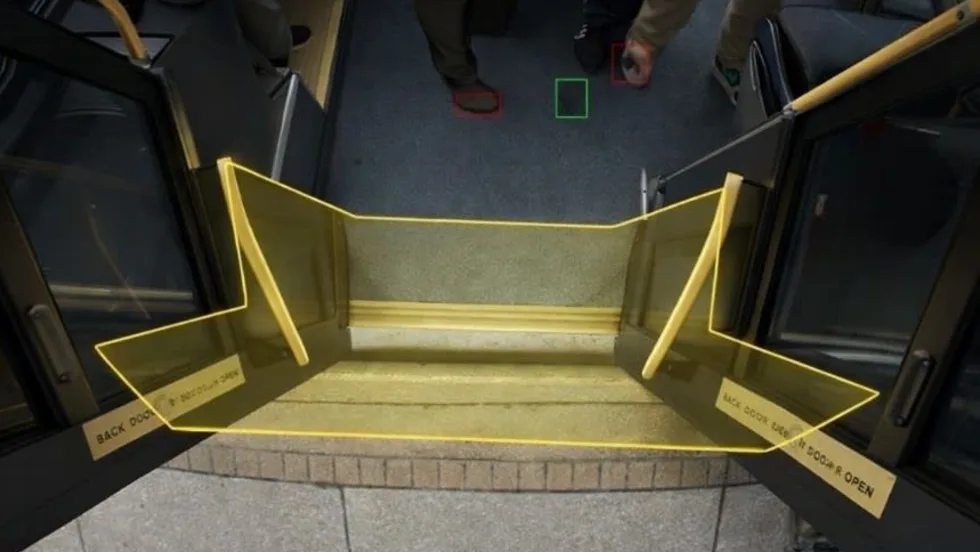
How VaporVision Adds Value to Transit Door Systems
Wabtec engineers explain how the system improves doorway detection, strengthens diagnostics and gives transit agencies and OEMs greater operating flexibility.
Read More →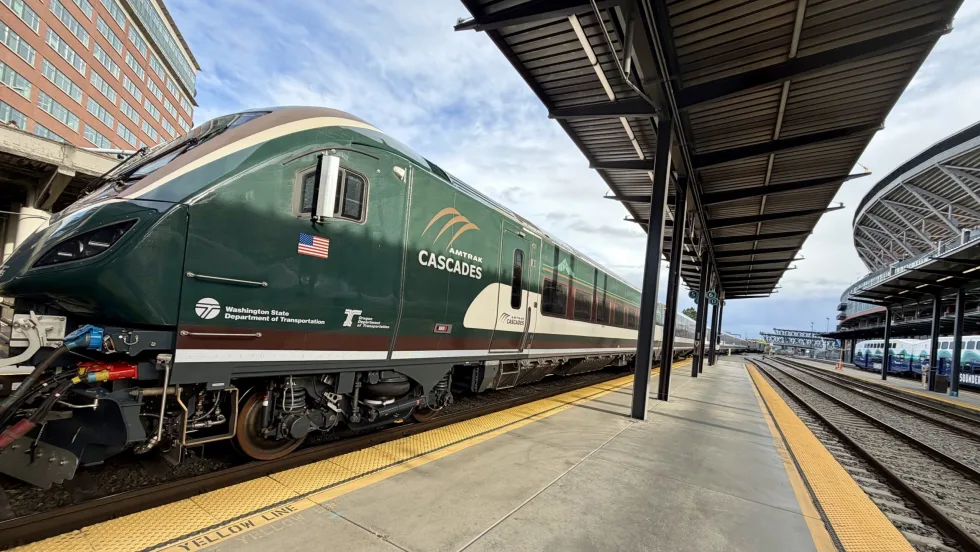
FRA Announces $5.3B in Rail Investments, Including $2B for Amtrak
Funding will support grade-crossing improvements, infrastructure upgrades, and new Amtrak equipment in 23 states.
Read More →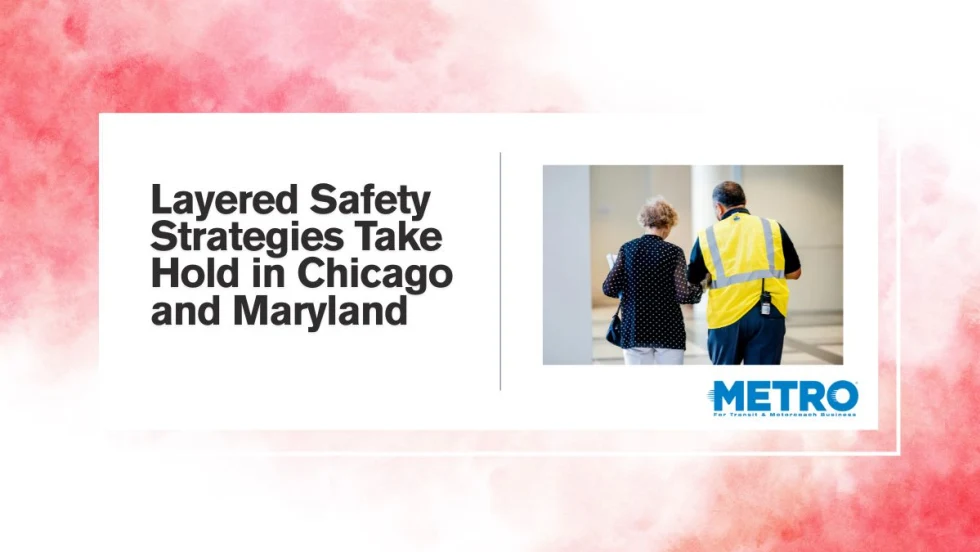
Chicago, Maryland Expand Non-Law-Enforcement Safety, Rider Support
The CTA and MTA are launching new programs aimed at de-escalation, crisis response, rider assistance, and greater transparency.
Read More →
LA Metro, City of West Hollywood, and Partners Advance Smarter Bus Lane Enforcement
The award-winning partnership combines AI-powered detection with human oversight to improve bus reliability, accessibility, and enforcement efficiency.
Read More →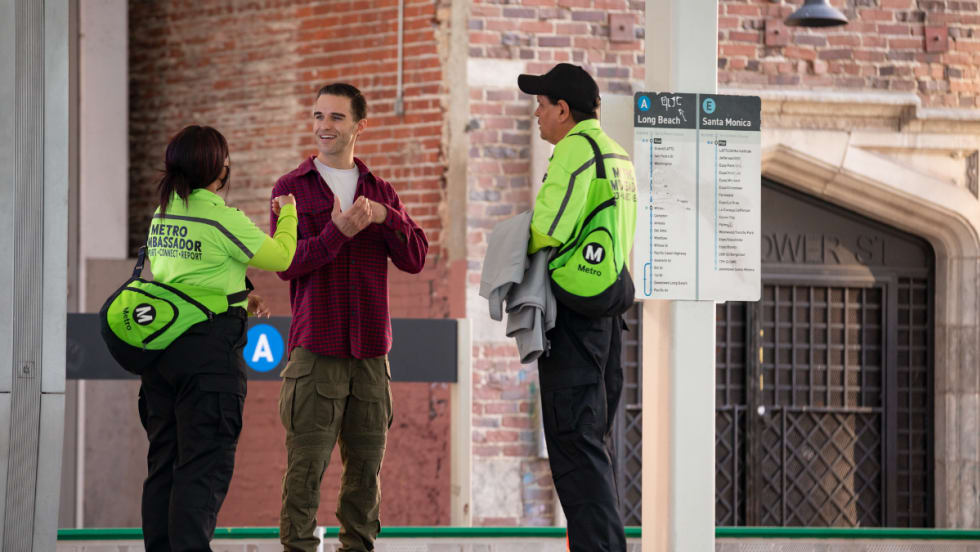
LA Metro Reports 57% Decline in Homelessness on Transit System Since 2024
The agency's latest homelessness count offers new data on how care-based services and cross-sector partnerships can complement traditional transit security strategies.
Read More →
FTA Launches 'Transit Moves America' Dashboard to Highlight Agency Safety and Performance
The online dashboard transforms National Transit Database information into a public-facing resource that allows users to compare transit agencies on key operational and safety metrics.
Read More →