




RELATED: All required railroads met statutory deadline for PTC
PTC now operating on 48K plus miles, according to FRA report
All 41 railroads subject to the statutory mandate complied with the law by Dec. 31, 2018.
May 29, 2019
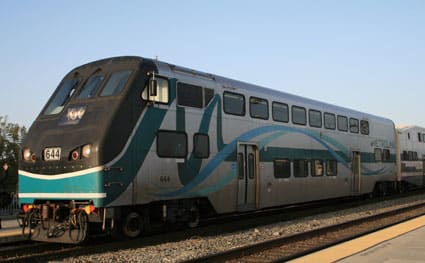
All railroads have committed to fully implementing PTC on their required main lines by Dec. 31, 2020.
Metrolink
3 min to read
All railroads have committed to fully implementing PTC on their required main lines by Dec. 31, 2020.
Metrolink
The Federal Railroad Administration (FRA) released a status update reflecting railroads’ self-reported progress toward fully implementing positive train control (PTC) systems as required by Congress.
Based upon railroad’s First Quarter 2019 PTC Progress Reports submitted to FRA by April 30, those required to implement PTC continue to make significant progress toward its full implementation on the required main lines. As of March 31, PTC systems were in operation on almost 48,050 of the nearly 58,000 route miles subject to the statutory mandate — a 3% increase from last quarter. Also, railroads are conducting advanced field testing, known as revenue service demonstration (RSD), on an additional 341 route miles.
With approximately 19 months remaining until the statutory implementation deadline, FRA continues to conduct comprehensive and vigorous regulatory oversight of railroad efforts to meet it. It is doing so by providing technical assistance to all host and tenant railroads, and coordinating with PTC system component suppliers and vendors.
All 41 railroads subject to the statutory mandate complied with the law by either fully implementing a PTC system by Dec. 31, 2018, or demonstrating they qualified for FRA approval of an alternative schedule, permitting up to two additional years to finish fully implementing PTC systems on all their required main lines.
Specifically, four railroads had fully installed PTC and 37 others sufficiently demonstrated they met or exceeded the six statutory criteria necessary to qualify for an alternative schedule.
All railroads have committed to fully implementing PTC on their required main lines by Dec. 31, 2020.
With all necessary PTC system hardware installed, spectrum acquired, and testing having been initiated, the key remaining steps for full implementation include: (1) conducting RSD of uncertified PTC systems on the general rail network; (2) submitting a PTC Safety Plan and obtaining PTC System Certification from FRA (host railroads only); (3) achieving interoperability between host railroads and tenant railroads; and (4) activating the PTC system so it governs all operations on the required main lines. FRA has also developed a new set of graphics to track railroad progress, focusing on each of these significant remaining elements of full implementation.
A key requirement of the original statutory mandate is interoperability, meaning the controlling locomotives and cab cars of any host railroad and tenant railroad operating on the same main line will communicate with and respond to the PTC system, including uninterrupted movements over property boundaries.
In April, FRA sent a letter to each freight, non-Class I tenant railroad that operates on at least one main line subject to the mandate, emphasizing the importance of timely implementation, and inviting them to meet with FRA in Washington, D.C., this summer. FRA plans to meet individually with each tenant railroad to offer technical assistance with respect to PTC system implementation. On June 5, FRA will host the second PTC Collaboration Session to share best practices with industry and jointly address any challenges.
More Security and Safety
New York MTA Launches Historic $1.9B Signal, Track Modernization Project
Funded in part by congestion pricing revenue, the project will replace nearly century-old signals along the A and C lines in Brooklyn and Queens.
Read More →
CSA Group Releases Climate Resilience Standard for Transit, Passenger Rail
Developed with support from the Standards Council of Canada, CSA D700 guides assessing climate-related risks and planning adaptation measures for transit and passenger rail systems.
Read More →
San Diego MTS Approves New Fare Evasion Penalty Program
The new administrative process will move eligible violations out of the criminal court system, cap penalties at $125, and provide flexible payment options for riders.
Read More →
RTC of Southern Nevada Reports 29% Drop in Transit Operator Assaults
The agency credits expanded security measures, employee training, and technology investments for improvements in transit safety, while security officers have responded to 19 suspected overdoses since July.
Read More →
Public Transit Conference Returning to GFX in 2027, Call for Papers Now Open
The Call for Papers is now open, allowing transit agency professionals and industry experts to help shape the PTC educational program by submitting session ideas for consideration.
Read More →
Safe Transit Act Proposes New Security Requirements for Federal Transit Funding
Proposed legislation would link federal transit dollars to safety measures while requiring security investments, onboard cameras, and new fare collection standards.
Read More →
FTA Ends Direct Oversight of MBTA Safety Actions
The federal agency closed its remaining special directive to the Massachusetts Department of Public Utilities following a safety review that began in 2022.
Read More →
Transit Agencies Highlight Safety Gains at National Summit
Leaders from 15 major transit systems shared crime-reduction results and safety initiatives while discussing the role of continued federal support.
Read More →
DART Launches Major Security, Fare Enforcement Initiative
The 90-day demonstration will deploy coordinated security teams at five light rail stations while testing controlled access and gathering data to guide future investments.
Read More →
RTD Launches NextRide App to Consolidate Trip Planning, Fares, Security Reporting
The app expands on RTD’s existing NextRide web application and allows customers to view real-time vehicle locations and service alerts, purchase and store digital fares, and access customer support.
Read More →