



Public transportation to fuel movement for Super Bowl
Approximately 70% of game attendees will need to arrive by mass transportation – via bus, train, and high occupancy vehicles.

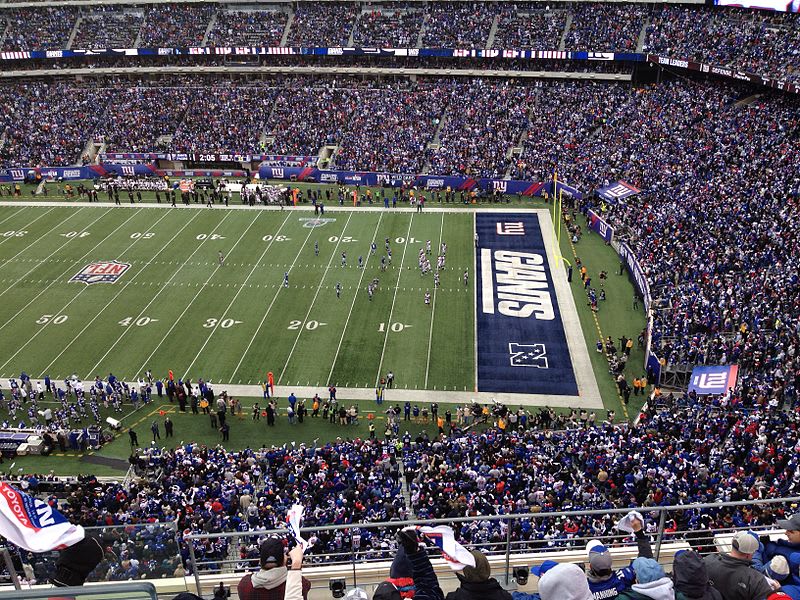
MetLife Stadium photo by MjaMes1408 via Wikimedia Commons
MetLife Stadium photo by MjaMes1408 via Wikimedia Commons
Public transportation will serve as a critical resource for the NY/NJ Super Bowl by supporting the movement of the hundreds of thousands of expected visitors to the area, according to planners of the massive event.
Additionally, plans include introducing a “Fan Express” coach bus service, which will be a primary vehicle for ticketed guests to travel to the game.
RELATED: "Tailored service takes fans out to the ballpark."
More than 400,000 visitors are expected to the region for game-related events, and about 80,000 will attend the game on Sunday, Feb. 2. With public transportation (video) serving a critical function during Super Bowl week, each involved transportation agency will play a role.
Preparations include the creation of "unlimited ride" passes, capital improvements at transit centers, extended service on select rail lines, and consumer-marketing initiatives, such as Super Bowl-branded cards and passes and, for the first time, a special Regional Transit Diagram.
Parking at the game will be at a premium, with fewer than 13,000 spaces at MetLife Stadium available by permit only. Strict limitations will be placed on passenger drop-offs. Taxis and black cars will not be allowed to conduct passenger drop-offs at the Stadium. All taxi and car services will be required to purchase a permit to gain access and need to remain onsite all day while for passengers in a secure lot. It is estimated that approximately 70% of game attendees will need to arrive by mass transportation — via bus, train and high occupancy vehicles.
Resources will be greatly enhanced on game day, including a coach bus service option offered by the Host Committee called the “Fan Express.” Transit agencies will also offer extended rail service and expedited access on major roadways.
Collectively, during Super Bowl week, NJ TRANSIT, PATH, MTA and Amtrak, will provide more frequent rail service and faster connections to support expected visitors to Super Bowl Boulevard (located on Broadway, between 34th and 47th Streets) and other miscellaneous, high-profile events throughout the region. The transit agencies will each halt ongoing construction for an agency-specific timeframe during Super Bowl week and weekend.
More Paratransit

Biz Briefs: RIPTA Unveils New Frontrunners, Clevland RTA Adds New Siemens, and More
In METRO's latest installment, we take a look at recent news from Siemens, Prevost, Dodge, and more partnerships making headlines across the transportation sector.
Read More →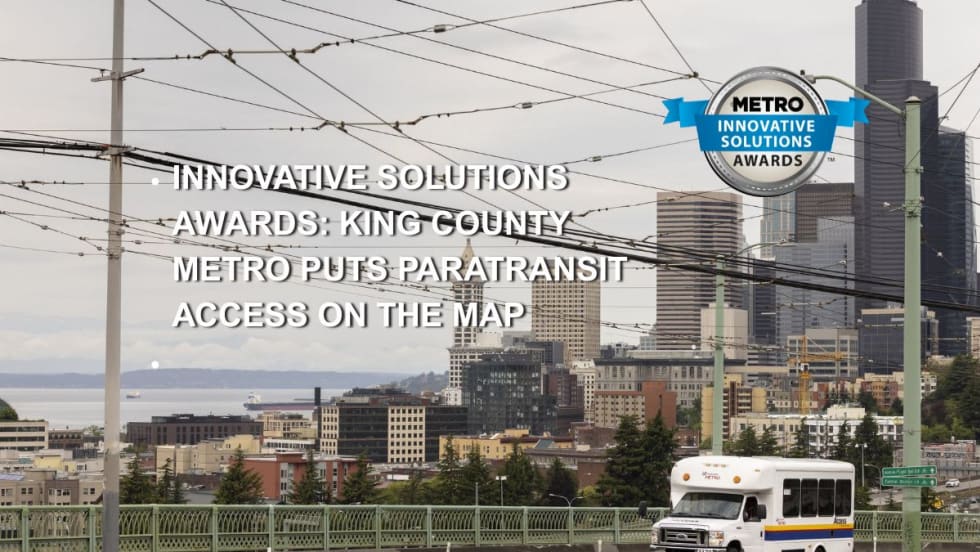
King County Metro Makes ADA Paratransit Easier to Navigate
METRO's Innovative Solutions Award winner replaces complex service-area descriptions with an accessible, interactive map that puts paratransit information directly in customers’ hands.
Read More →
Jacksonville’s NAVI Project Charts a New Course for Autonomous Public Transportation
Through its NAVI program, JTA is showing how autonomous vehicles, intelligent infrastructure, and coordinated operations can work together to deliver everyday public transportation.
Read More →
Driving Smarter Paratransit
John Hanlon shares how AlphaRoute is leveraging AI-powered technology to help paratransit providers optimize operations, support frontline staff, and enhance the rider experience.
Read More →
METRO Magazine Announces 2026 Innovative Solutions Awards Winners
Projects Recognized for Advancing Mobility Through Technology, Accessibility, Workforce Innovation, and Operational Excellence
Read More →
Biz Briefs: STV teams with Amtrak, Motorcoach Operators Boost Fleet and Land Contracts, and More
From manufacturers and suppliers to transit agencies and motorcoach operators, these updates offer a snapshot of the projects, partnerships and business moves driving the industry forward.
Read More →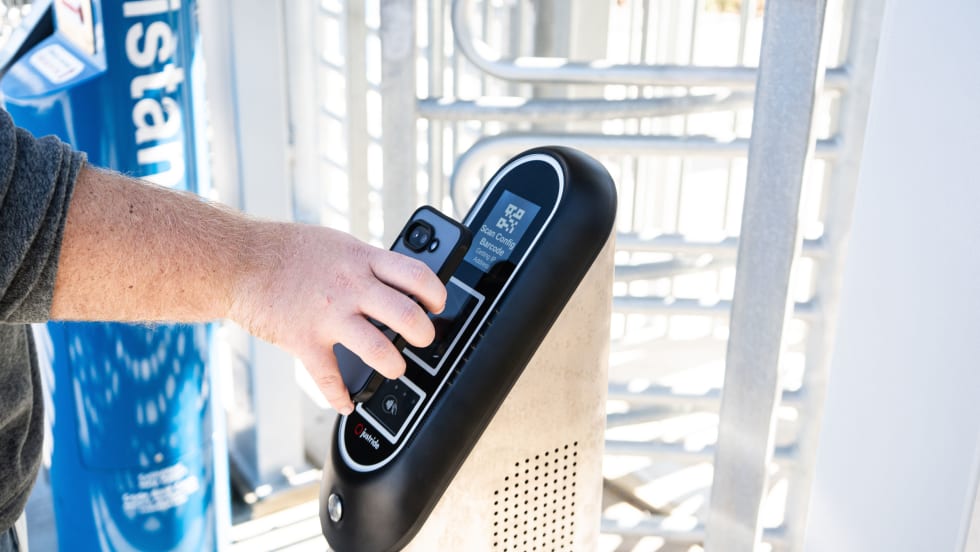
Biz Briefs: Masabi Teams with St. Louis Metro and More
In METRO's latest installment, we take a look at recent news from Transdev, Hitachi, and more partnerships making headlines across the transportation sector.
Read More →
New York MTA Leverages Zoning Program to Advance Station Accessibility
Accessibility enhancements at Nevins St Station will be financed through a development agreement tied to the MTA's Zoning for Accessibility initiative.
Read More →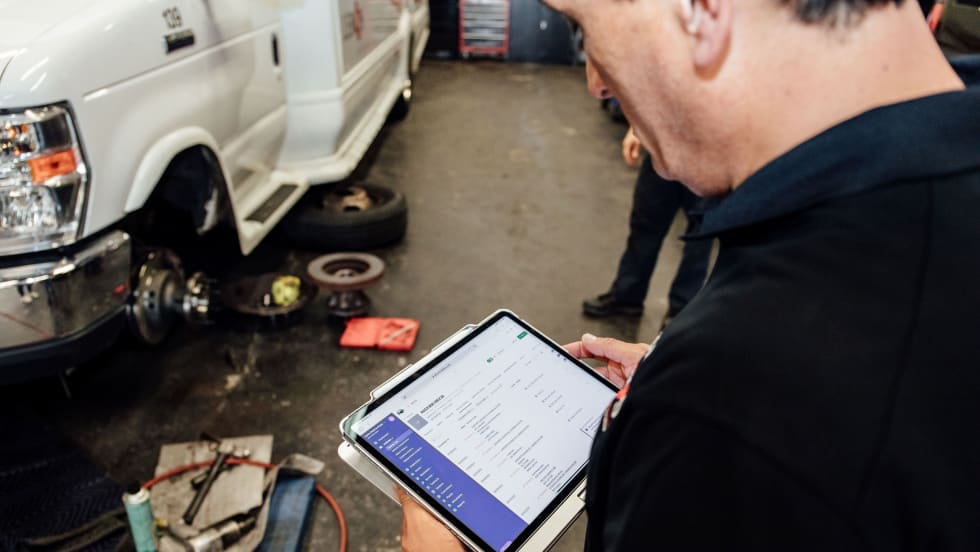
Reinventing Fleet Maintenance with Real-time Visibility and AI
Transit leaders need to know what needs fixing, where to look, who is responsible, when work is completed, and what it costs without having to chase information across disconnected systems.
Read More →
SamTrans Sets Priorities for Potential Connect Bay Area Revenue
The board-approved framework allocates future funding to maintaining service, rider improvements, equity initiatives, and infrastructure repairs.
Read More →