




RELATED: RATP Dev/McDonald Transit to operate Tyler, Texas transit
RATP Dev to manage Asheville, N.C.'s transit service
RATP Dev has appointed Bernadette Townsend to serve as ART’s new GM.
August 15, 2017
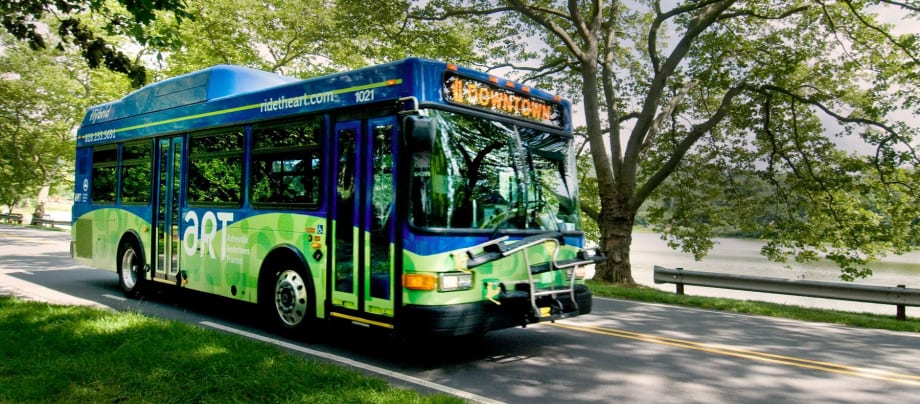
RATP Dev will directly supervise ART’s daily operations for the fixed-route bus services in Buncombe County, N.C.
2 min to read
RATP Dev will directly supervise ART’s daily operations for the fixed-route bus services in Buncombe County, N.C.
RATP Dev was awarded a contract to manage Asheville Redefines Transit (ART), the transit services for the city of Asheville, N.C. The City of Asheville selected RATP Dev through a national competitive process that awarded the contract based on best-value procurement.
Contract services are set to begin Oct. 1, 2017 and will cover an initial period of four years with two additional two-year renewal options. RATP Dev has appointed Bernadette Townsend to serve as ART’s new GM.
Under the terms of the contract, RATP Dev will directly supervise ART’s daily operations for the fixed-route bus services in Buncombe County. Presently, ART has 22 biodiesel buses in service, seven of which are hybrid, and currently run 18 routes throughout the area, servicing more than 1.4 million riders annually.
ART is RATP Dev’s third contract in North Carolina, the others being the Charlotte Area Transit in the Queen City’s metropolitan area and Buncombe County’s Mountain Mobility.
Located in western North Carolina’s Blue Ridge Mountains, Asheville is vibrant and historic city with a thriving arts scene and easy access to North Carolina’s natural splendor. With a population of approximately 425,000 residents in the metropolitan area, and home to the University of of North Carolina at Asheville, the city has growing public transit needs and is seeking to preserve the beauty of their stretch of the Blue Ridge Mountains with their on-going sustainable transit initiatives.
More Management
CATS Launches West Charlotte Microtransit Zone, Expands Transit Services
The new microtransit zone connects residents to key destinations as Charlotte Area Transit System rolls out the first phase of its 2055 Transit System Plan.
Read More →
VIA Bus Ridership Grows 10.1% Through August 2026
San Antonio's VIA Metropolitan Transit reported the highest bus ridership growth among major Texas transit systems. Federal Transit Administration data ranked it second among the nation's 50 largest transit systems.
Read More →
CSA Group Releases Climate Resilience Standard for Transit, Passenger Rail
Developed with support from the Standards Council of Canada, CSA D700 guides assessing climate-related risks and planning adaptation measures for transit and passenger rail systems.
Read More →
ETA CEO John Maglio on Transit Technology, Innovation, and Building Agency Trust
ETA founder and CEO John Maglio explores the evolution of transit technology, the importance of reliable systems, and how stronger partnerships can help agencies improve operations and the passenger experience.
Read More →
COTA Launches First Customer Experience Action Plan to Improve Transit Service
The new plan outlines improvements to service reliability, accessibility, communication, and the overall rider experience across Central Ohio's transit system.
Read More →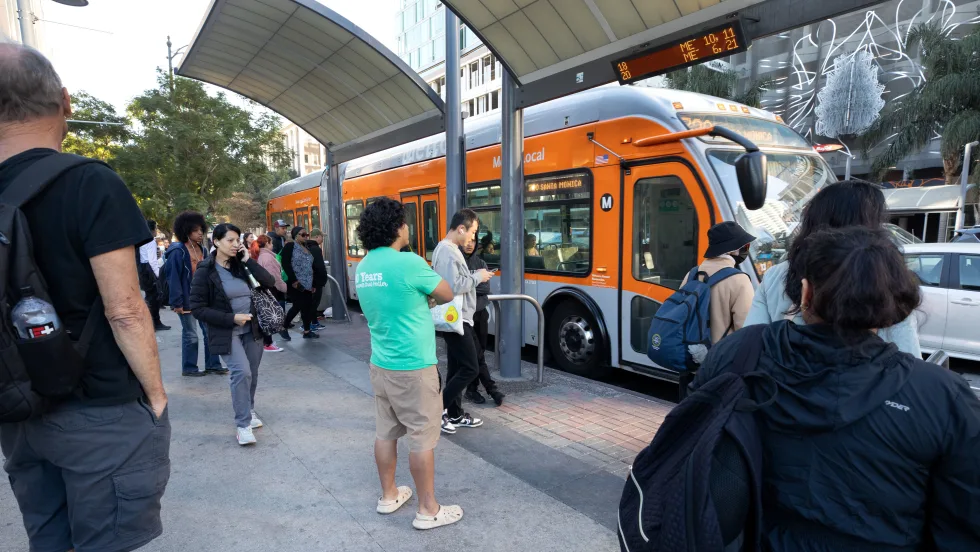
LA Metro September Ridership Climbs 3.9%, Led by Rail Growth
The agency recorded more than 27.2 million boardings, with rail ridership increasing 12.4% year over year and the D Line posting the largest gains.
Read More →
Utilimarc Launches SmartReplace to Optimize Fleet Replacement Decisions
AI-powered SmartReplace helps fleets prioritize vehicle replacements, model budget scenarios, and build more defensible long-term strategies.
Read More →
APTA Honors 2026 Award Winners, Hall of Fame Inductees at TRANSform & EXPO
Innovations in autonomous and zero-emission transportation, standout transit systems, and industry leadership took center stage among this year's honorees.
Read More →
7 Ways to Build a Better Transit Internship Program
Lessons from DRPA/PATCO’s approach to creating a meaningful internship experience—and developing the next generation of transportation professionals.
Read More →
Scenes from APTA TRANSform & EXPO 2026
Transit leaders, manufacturers, and industry professionals gathered in Chicago to explore new technologies, share ideas, and discuss the future of public transportation.
Read More →