



Report: Calif. must urge job growth near transit to cut driving
Data shows that placing jobs near transit is more effective in boosting ridership than having housing near transit. Additionally, while transit ridership is increasing in California, the state has failed so far to reap the benefits of its large investment in rail transit.

If California is to achieve its goal of reducing the amount of driving residents do, policymakers should encourage job growth near transit stations and implement strategies that raise the cost of driving, according to a report released Wednesday by the Public Policy Institute of California (PPIC).
The PPIC report, “Driving Change: Reducing Vehicle Miles Traveled in California,” assesses how well California’s local and regional governments are positioned to meet the targets set under Senate Bill 375, the 2008 law that aims to reduce passenger vehicle use. The law’s main purpose is to reduce the greenhouse gas emissions that contribute to global warming, but it is also expected to have public health benefits by encouraging more walking and biking.
SB 375 calls for the state’s major metropolitan areas to reduce per capita emissions from driving approximately 7 percent by 2020 and about 15 percent by 2035. This will require a major behavioral shift in California, where the vast majority of commuters still drive to work — even if they live or work near a transit station.
The PPIC analysis draws on a survey of local governments, interviews with land use and transportation planners, and numerous data sources. It reveals reasons for optimism that the state can achieve its goals but, also, warning signs.
On the plus side, transit ridership is increasing, with recent investments directed toward higher-density areas, where they will be more likely to get people of out their cars. Regional transportation authorities and local governments recognize the importance of integrating land use, transit and pricing policies such as toll lanes; carpool lanes and parking fees. And, despite the recession, local governments have increased activities to support the goals of SB 375, by saying the policies they have begun to implement have a strong potential to reduce residents’ driving, according to the report.
However, according to PPIC, the warning signs are significant. California has failed so far to reap the benefits of its large investment in rail transit. While rail ridership has increased slightly — from 0.9 percent of all commutes in 1990 to 1.4 percent in 2008 — the growth is much slower than the pace of transit cost increases and service expansion.
One reason is that transit-oriented development has failed to live up to its potential. Having jobs near transit is more important in boosting ridership than having housing near transit. It’s not hard to see why — while workers can park their cars or bikes at transit stations close to home, they need a way to get to the workplace after getting off the train. But the number of jobs per square mile in California is lower than the national average and declining, a continuation of a decades-long trend of jobs moving out of dense downtowns.
To encourage job growth around transit, the state should consider changes in SB 375, which explicitly favors residential over commercial development near stations, says the PPIC report. On the local and regional level, specific policies to spur development near transit include relaxing requirements for minimum numbers of parking spaces provided by developers and improving accessibility to surrounding areas through feeder bus services.
The PPIC report notes one more important warning sign: Resistance to the use of pricing tools, like higher fuel taxes and road use charges, to discourage solo driving. Local and regional officials are wary of public opposition. But, these tools have the highest potential to reduce driving, and they can generate revenue to fill the growing gap in transportation budgets.
Coastal regions are making limited use of road tolling to manage congestion and raise revenues. For example, high-occupancy toll lanes are in use in Southern California and the Bay Area that combine free access for carpoolers with a toll option for solo drivers. But for more comprehensive road pricing solutions, state and federal officials will need to take the lead, either by raising the gas tax or introducing general road use fees.
Such mileage fees — already in use in other countries and successfully tested in Oregon — are more flexible than the gas tax. They rely on new electronic toll collecting and geographic positioning system technology to charge motorists according to the number of miles driven, time of day, type of road and type of vehicle.
More Paratransit

Driving Smarter Paratransit
John Hanlon shares how AlphaRoute is leveraging AI-powered technology to help paratransit providers optimize operations, support frontline staff, and enhance the rider experience.
Read More →
METRO Magazine Announces 2026 Innovative Solutions Awards Winners
Projects Recognized for Advancing Mobility Through Technology, Accessibility, Workforce Innovation, and Operational Excellence
Read More →
Biz Briefs: STV teams with Amtrak, Motorcoach Operators Boost Fleet and Land Contracts, and More
From manufacturers and suppliers to transit agencies and motorcoach operators, these updates offer a snapshot of the projects, partnerships and business moves driving the industry forward.
Read More →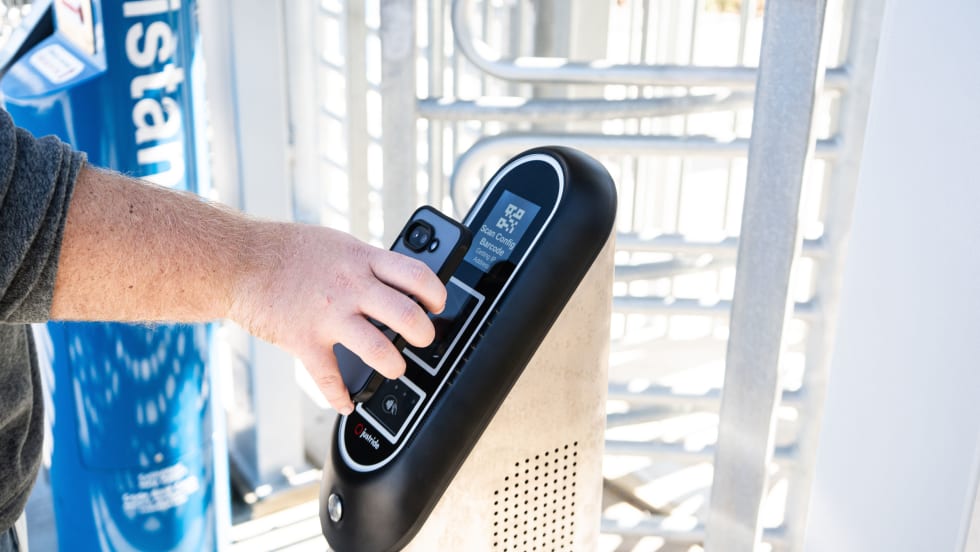
Biz Briefs: Masabi Teams with St. Louis Metro and More
In METRO's latest installment, we take a look at recent news from Transdev, Hitachi, and more partnerships making headlines across the transportation sector.
Read More →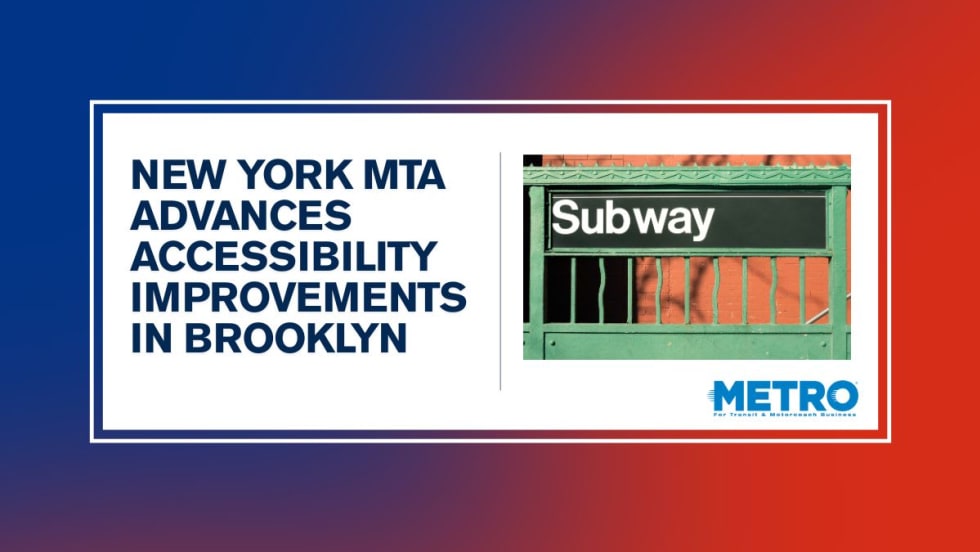
New York MTA Leverages Zoning Program to Advance Station Accessibility
Accessibility enhancements at Nevins St Station will be financed through a development agreement tied to the MTA's Zoning for Accessibility initiative.
Read More →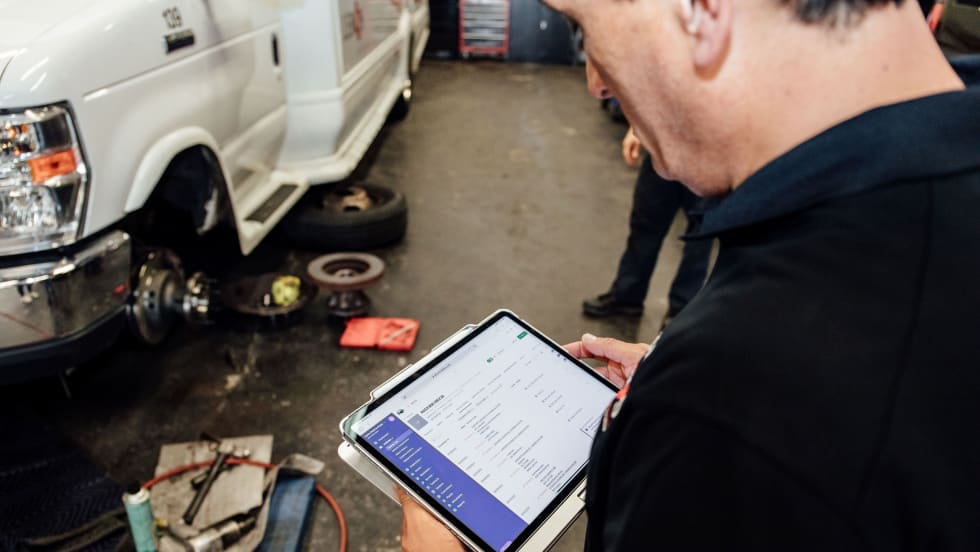
Reinventing Fleet Maintenance with Real-time Visibility and AI
Transit leaders need to know what needs fixing, where to look, who is responsible, when work is completed, and what it costs without having to chase information across disconnected systems.
Read More →
SamTrans Sets Priorities for Potential Connect Bay Area Revenue
The board-approved framework allocates future funding to maintaining service, rider improvements, equity initiatives, and infrastructure repairs.
Read More →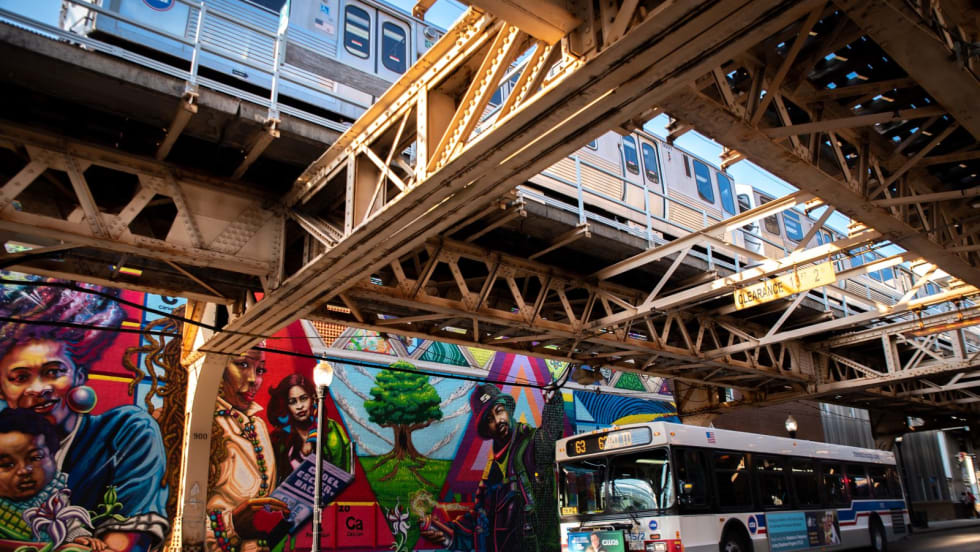
Chicago's NITA Act Moves Into Next Phase as Service Improvements Begin
Rider-focused improvements will begin rolling out across the system immediately as CTA, Metra, and Pace increase service this summer in the six-county region.
Read More →
2026 METRO Buyer’s Guide & Directory
Searching for the right vehicles, technology, equipment, or services for your public transit or motorcoach operation? This industry guide brings together manufacturers and suppliers from across the transportation market — all in one place. Download it to connect with the companies that help agencies and operators improve mobility, enhance operations, and move their organizations forward.
Read More →
Rays the Mark Foundation to Honor CDTA’s Emily DeVito at October Fundraiser
Event at Chicago-area Ravisloe Country Club will support DeVito, a transit employee and mother of twins battling kidney failure and awaiting a transplant.
Read More →