



Report: Referenda popular way to boost funding
States are veering away from the traditional transportation revenue source of motor fuel taxes; instead, referenda were primarily regarding sales and property taxes, bonds and other fees.

Referenda were the most frequently used method to increase transportation funding according to a new report released by the Association County Commissioners of Georgia (ACCG), which examines efforts by other states to increase transportation funding since 2000.
The report, “Coping with Transportation Funding Deficits: A Survey of the States,” incorporates information from more than 35 states and highlights how these states are working to address transportation infrastructure investment needs through a
variety of methods and revenue sources.
The report identifies several trends, including the growing popularity of asking voters to approve new transportation funding that is not tied to traditional sources such as the motor fuel tax but instead is tailored to meet the specific needs of their state and local governments.
“We need to come together to find a solution that addresses both the state’s needs and allows counties and regions of counties the flexibility to meet their varied needs,” said ACCG Executive Director Jerry Griffin. “This report shows that other states are facing similar challenges and finding solutions – Georgia can do the same.”
Key findings in the report include:
• Referenda were the most frequently used method to increase transportation funding.
At least 210 referenda were proposed to increase revenues for transportation since 2000, with varying levels of success. States are veering away from the traditional transportation revenue source of motor fuel taxes; instead, referenda were primarily regarding sales and property taxes, bonds and other fees.
• Many states are enabling local governments and existing or newly-defined regions to
develop their own revenue generating solutions. More local tax measures (173) were
proposed than any other type of referenda. In addition, 19 regional measures also were proposed. The majority (13) of these proposals included sales tax increases, and nine of them were approved.
• Most of the statewide measures that were proposed to voters were for the approval of bond projects. Fourteen of the seventeen statewide ballot measures were for bond
approvals.
• Many state legislatures are taking direct action to increase transportation funding.
Six states increased the motor fuel tax. Twelve raised fees, primarily vehicle registration fees, and three enabled their largest metropolitan regions to levy sales taxes for transportation.
The report inventories specific proposals at the local, regional and state level, and includes the purpose for which the funds were proposed. It also includes additional information on legislation enacted by state legislatures.
“Our primary purpose in developing this report was to assist Georgia’s policymakers by providing them with a comprehensive overview of legislative strategies used by other states,” said Matthew Hicks, ACCG Associate Policy Director for Economic Development and Transportation. “We learned that there is no single answer to transportation funding. States are developing solutions to meet their specific needs and empowering local governments with the tools necessary to address their own transportation challenges.”
ACCG is a strong proponent of investing in transportation infrastructure in Georgia to achieve state transportation goals and to provide consistent funding for transportation projects at the local level. The organization has actively worked with the Governor’s Office, state legislators, the Department of Transportation and state transportation authorities and others including the Get Georgia Moving Coalition to meet the needs of all Georgians.
The “Coping with Transportation Funding Deficits” report was compiled using information from several organizations that track transportation funding and finance, including the Center for Transportation Excellence, a non-partisan policy research center created to serve the needs of communities and transportation organizations nationwide, and the National Conference of State Legislatures (NCSL). In addition, ACCG staff conducted informal surveys of 27 states via phone and email interviews, as well as Internet searches.
The complete report is available at www.accg.org.
More Bus

Finding the ‘Happy Medium’: Optimizing Maintenance Without Sacrificing Reliability
The key to maintenance optimization isn’t doing less work—it’s doing the right work at the right time on the right assets.
Read More →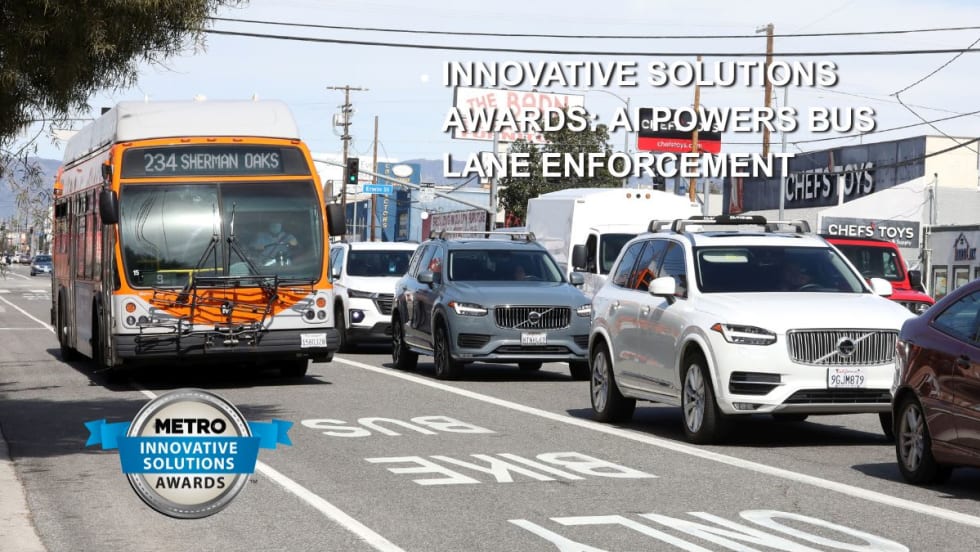
LA Metro, City of West Hollywood, and Partners Advance Smarter Bus Lane Enforcement
The award-winning partnership combines AI-powered detection with human oversight to improve bus reliability, accessibility, and enforcement efficiency.
Read More →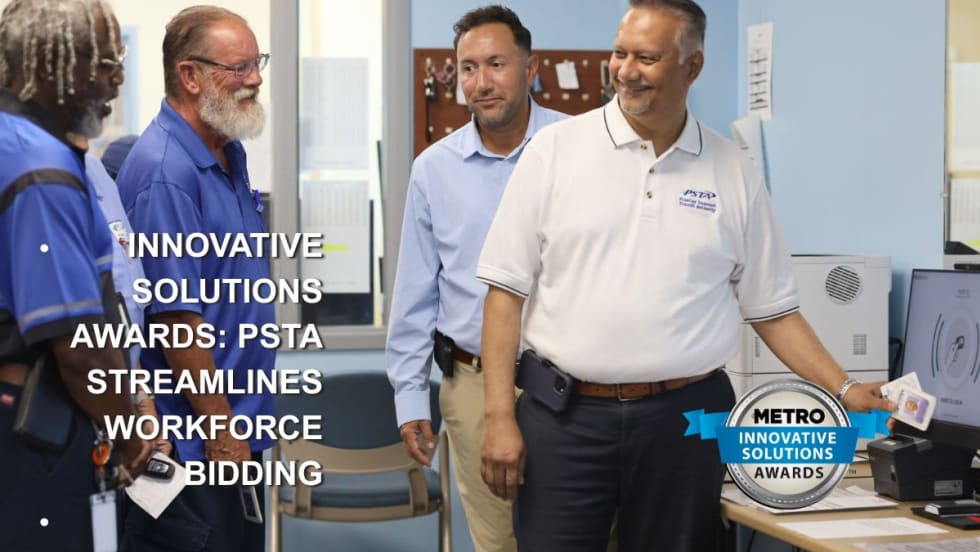
PSTA Modernizes Workforce Management with Digital Bidding System
The award-winning Workforce Transit Modernization project replaced paper bidding with a transparent digital platform, cutting administrative effort while improving access for operators.
Read More →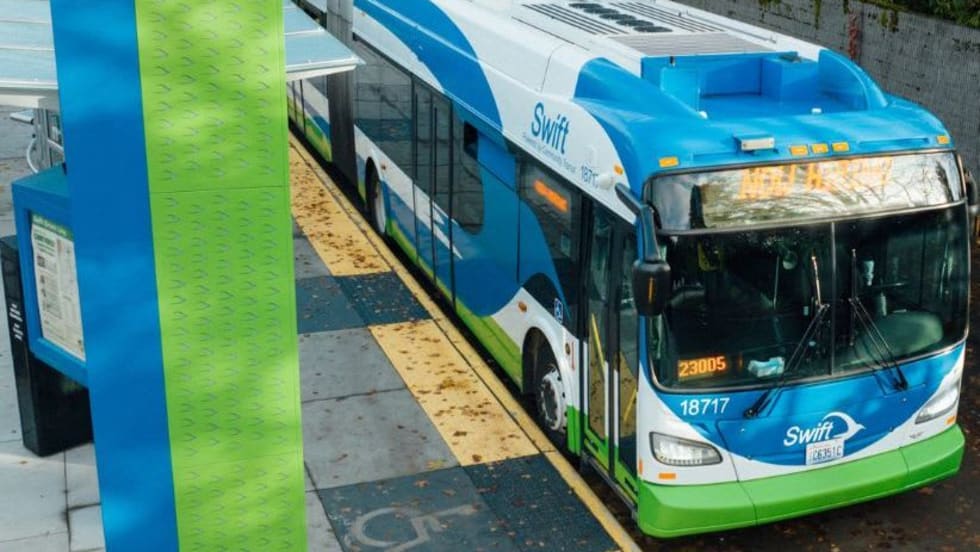
Washington's Community Transit Sets Six-Year Roadmap for Growth, Expansion
Approved TDP targets more bus service, new mobility options, Swift BRT expansion, and a potential Everett Transit annexation.
Read More →
DART Customer Satisfaction Reaches Six-Year High
Overall satisfaction rose to 74.9%, while the agency’s Net Promoter Score reached a record 33.7.
Read More →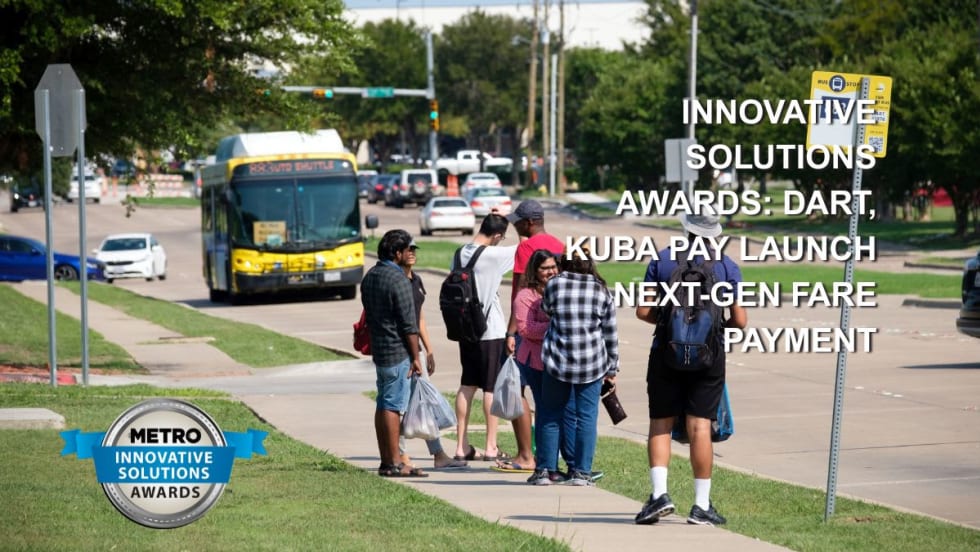
How DART's GoPass Is Redefining Regional Mobility
Serving 14 transit agencies, GoPass simplifies multimodal travel by allowing riders to plan, pay for, and manage an entire trip through one app.
Read More →
Biz Briefs: OCTA Taps Clean Energy for Hydrogen Station, Stadler to Supply Via Rail Vehicles, and More
From manufacturers and suppliers to transit agencies and motorcoach operators, these updates offer a snapshot of the projects, partnerships and business moves driving the industry forward.
Read More →
METRO Magazine Announces 2026 Innovative Solutions Awards Winners
Projects Recognized for Advancing Mobility Through Technology, Accessibility, Workforce Innovation, and Operational Excellence
Read More →
Biz Briefs: STV teams with Amtrak, Motorcoach Operators Boost Fleet and Land Contracts, and More
From manufacturers and suppliers to transit agencies and motorcoach operators, these updates offer a snapshot of the projects, partnerships and business moves driving the industry forward.
Read More →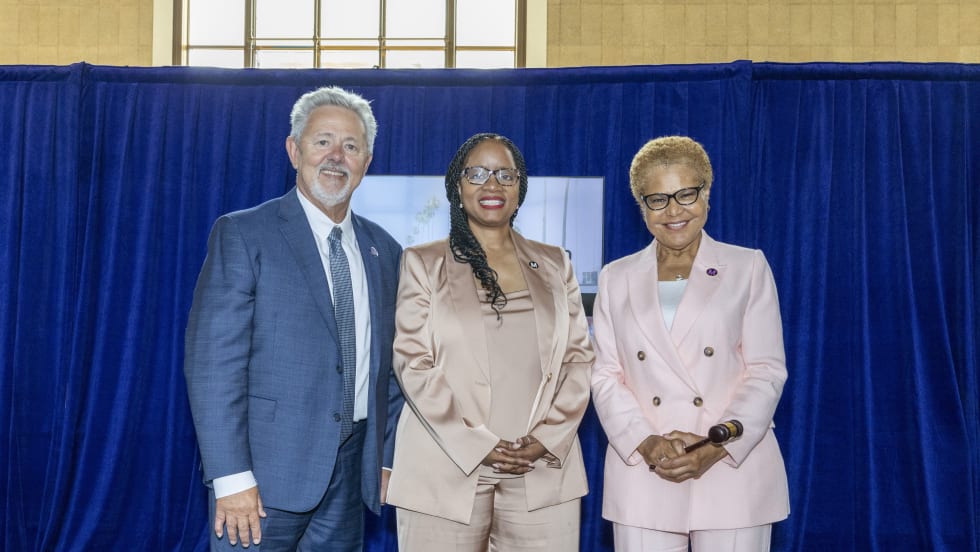
LA Metro Marks Banner Year, Sets Ambitious Goals for New Fiscal Year
Incoming LA Metro Board Chair and Los Angeles Mayor Karen Bass joined outgoing Board Chair Fernando Dutra and LA Metro CEO Stephanie Wiggins to review accomplishments from fiscal year 2026, which included the opening of new rail extensions, advancement of major transit projects, expanded safety programs, and new rider amenities.
Read More →