



Report: Rural access to intercity transportation declines
About 3.5 million rural residents lost access to scheduled intercity transportation between 2005 and 2010.

As many as 3.5 million rural residents lost access to scheduled intercity transportation between 2005 and 2010, dropping the percent of rural residents with access to intercity air, bus, ferry or rail transportation to 89 percent, according to a new report from the Department of Transportation’s Bureau of Transportation Statistics (BTS). Five years ago, BTS calculated that 93 percent of rural residents had access to intercity transportation.
BTS, a part of the Research and Innovative Technology Administration, reported that 8.9 million rural residents lacked access to intercity transportation in 2010, up from 5.4 million in 2005. Of the 71.7 million rural residents retaining access in 2010, 3.7 million lost access to more than one intercity transportation mode during those five years.
The report, “The U.S. Rural Population and Scheduled Intercity Transportation in 2010: A Five-Year Decline in Transportation Access,” draws numbers from the BTS Intermodal Passenger Connectivity Database. BTS defined access to transportation as living within 25 miles from a non- or small-hub airport, bus station, ferry terminal or rail station providing intercity service, and as 75 miles from a medium- or large-hub airport.
BTS noted significant changes to several modes in the five years from 2005 to 2010. Among the changes were bus service reductions made by Greyhound Lines and the suspension of the New Orleans – Jacksonville route previously provided by Amtrak’s Sunset Limited.
According to BTS, intercity bus transportation provided access to 78 percent of rural residents in 2010, more than any other mode, but was down from 89 percent in 2005. Air service coverage remained unchanged from 2005 to 2010 at 72 percent, while intercity rail access declined from 42 percent to 40 percent of the rural population.
All rural residents in Connecticut, Delaware, Massachusetts, New Jersey and Rhode Island had access to at least one intercity public transportation mode in 2010, as they did in 2005. North Dakota had the lowest percentage of rural residents with access to intercity transportation; 52 percent had access to at least one mode in 2010, down from 59 percent in 2005.
Alabama faced the largest decline between 2005 and 2010 in the number of rural residents with intercity transportation access. In 2005, 94 percent of rural Alabama residents had transportation access. With almost 700,000 rural Alabama residents losing access, only 65 percent had coverage in 2010.
Nationally, rural residents had the following access to intercity transportation in 2010: One mode only, 15.7 million; two modes, 29.1 million only; three modes, 25.3 million; four modes, 1.6 million; no access, 8.9 million.
The report provides more detail on rural coverage by mode, rural coverage by state, and rural coverage by mode and state. The BTS Intermodal Passenger Connectivity Database is a nationwide data table of passenger transportation terminals, with data on the availability of connections among the various scheduled public transportation modes at each facility. BTS plans a companion report that will look at changes in rural transportation due to population changes reported in the 2009 American Community Survey.
More Paratransit

Biz Briefs: RIPTA Unveils New Frontrunners, Clevland RTA Adds New Siemens, and More
In METRO's latest installment, we take a look at recent news from Siemens, Prevost, Dodge, and more partnerships making headlines across the transportation sector.
Read More →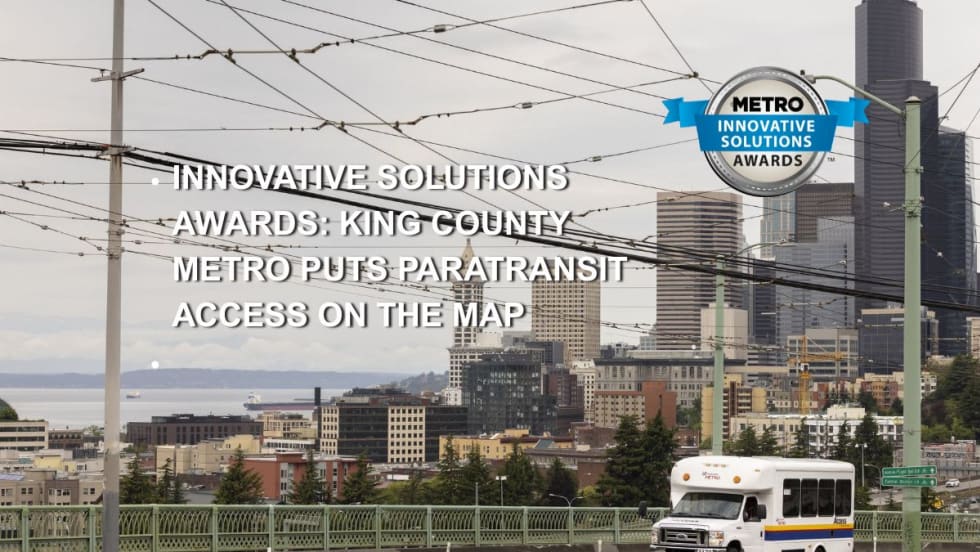
King County Metro Makes ADA Paratransit Easier to Navigate
METRO's Innovative Solutions Award winner replaces complex service-area descriptions with an accessible, interactive map that puts paratransit information directly in customers’ hands.
Read More →
Jacksonville’s NAVI Project Charts a New Course for Autonomous Public Transportation
Through its NAVI program, JTA is showing how autonomous vehicles, intelligent infrastructure, and coordinated operations can work together to deliver everyday public transportation.
Read More →
Driving Smarter Paratransit
John Hanlon shares how AlphaRoute is leveraging AI-powered technology to help paratransit providers optimize operations, support frontline staff, and enhance the rider experience.
Read More →
METRO Magazine Announces 2026 Innovative Solutions Awards Winners
Projects Recognized for Advancing Mobility Through Technology, Accessibility, Workforce Innovation, and Operational Excellence
Read More →
Biz Briefs: STV teams with Amtrak, Motorcoach Operators Boost Fleet and Land Contracts, and More
From manufacturers and suppliers to transit agencies and motorcoach operators, these updates offer a snapshot of the projects, partnerships and business moves driving the industry forward.
Read More →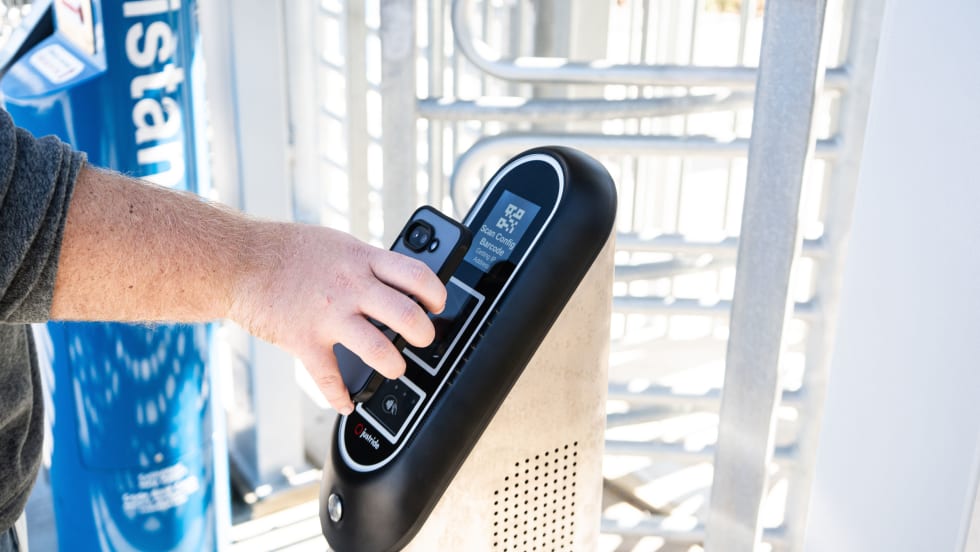
Biz Briefs: Masabi Teams with St. Louis Metro and More
In METRO's latest installment, we take a look at recent news from Transdev, Hitachi, and more partnerships making headlines across the transportation sector.
Read More →
New York MTA Leverages Zoning Program to Advance Station Accessibility
Accessibility enhancements at Nevins St Station will be financed through a development agreement tied to the MTA's Zoning for Accessibility initiative.
Read More →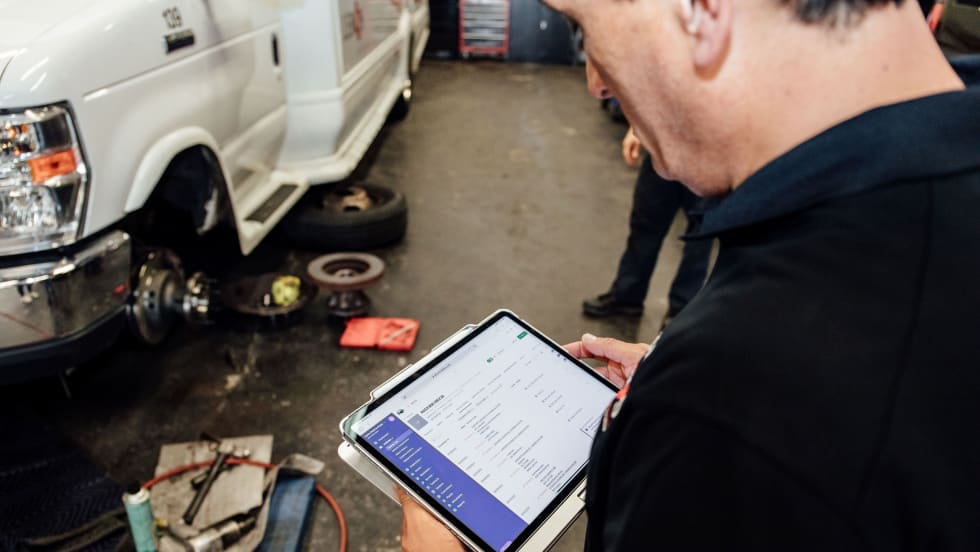
Reinventing Fleet Maintenance with Real-time Visibility and AI
Transit leaders need to know what needs fixing, where to look, who is responsible, when work is completed, and what it costs without having to chase information across disconnected systems.
Read More →
SamTrans Sets Priorities for Potential Connect Bay Area Revenue
The board-approved framework allocates future funding to maintaining service, rider improvements, equity initiatives, and infrastructure repairs.
Read More →