



Report: states not filling transit needs with ARRA
More than 60 percent of funding committed to highway system preservation, while .9 percent to public transportation.

A new report by Smart Growth America, based on federal and state data, found that states’ choices of transportation projects to fund under the American Reinvestment and Recovery Act (ARRA) are a mixed bag: some states are funding projects that make progress toward policy and accountability objectives laid out by the law and the Administration, but too many states are not.
Overall, the report, "The States and the Stimulus: Are they using it to create jobs and 21st century transportation?", found that many states missed an opportunity to make as much progress as possible in filling the nation’s urgent transportation needs and create more jobs, as quickly as possible.
The ARRA provided $26.6 billion in flexible transportation funding — half of it required to be obligated within the first 120 days, by Monday, June 29 — through the federal Surface Transportation Program (STP). STP funds can be used by state and Metropolitan Planning Organization (MPO) officials for a wide range of transportation infrastructure projects, including public transportation capacity, sidewalks, repair and preventative maintenance of bridges and roads, and new and widened roads and highways.
Nationwide, the report found that states and MPOs have so far committed:
62.9 percent to highway system preservation;
31.3 percent to new highway capacity;
2.8 percent to non-motorized projects (bicycle and pedestrian);
0.9 percent to public transportation;
2.0 percent to other projects, such as freight.
The states had opportunities to create more jobs, faster: shifting more spending toward repair would create more jobs. For example, research cited in the report shows that road and bridge repair generates 16 percent more jobs than new bridge and road construction. Shifting $2 billion more to repair would have produced an average of 4,300 more jobs. And because repair work can generally be started faster, these jobs would come on-line faster.
The stimulus was particularly a repair opportunity given the nation’s enormous bridge and roadway repair backlog and the inadequacy of its public transportation system. The report documents these with recent findings by the American Society of Civil Engineers and American Association of Highway and Transportation Officials (AASHTO), including the cost of roads in “poor” condition ($355 per person, nationally) and number of “structurally deficient” bridges (18,722).
“That nearly two-thirds of STP funding has gone to repairing existing roads and bridges is encouraging,” said Geoff Anderson, president of Smart Growth America, “But given our huge road and bridge repair backlog and inadequate public transportation system, $6.6 billion for new highway capacity just doesn’t make sense. It’s like adding a new wing to your house when the roof is falling in.”
The report also found that the flexible money isn't being flexed to any significant degree. “Americans are looking for safe, reliable, transportation choices: ways to save money and protect themselves and their families against volatile and rising gas prices," said Anderson. “Public transportation ridership is at all time highs and driving is down."
When asked in a poll by the National Association of Realtors how they would spend the recovery money, a very strong majority of the public (80 percent) said they prefer that stimulus transportation funding be used for repairing roadways and bridges and for public transportation. The public wants a balanced transportation system. The Smart Growth America analysis of the federal and state data in the report, however, shows that state and MPO officials turned the STP largely into a highway program.
“The ARRA provided golden opportunities for states and MPOs to make game-changing plays and invest in transportation options, like expanded public transportation, that the overwhelming majority of Americans need and support,” stated Anderson. “Unfortunately, most of them are striking out.”
Balanced investments are especially important for low-income communities and the elderly to ensure that they can participate in the economic and social mainstream of our society: a transportation system that works for everyone, he added.
More Bus
Brian Dickson on Building Stronger, More Resilient Transportation Organizations
Bus Business Consultants Founder Brian Dickson discusses the leadership principles, operational discipline, and strategic planning that separate transportation companies positioned for long-term success from those stuck in survival mode.
Read More →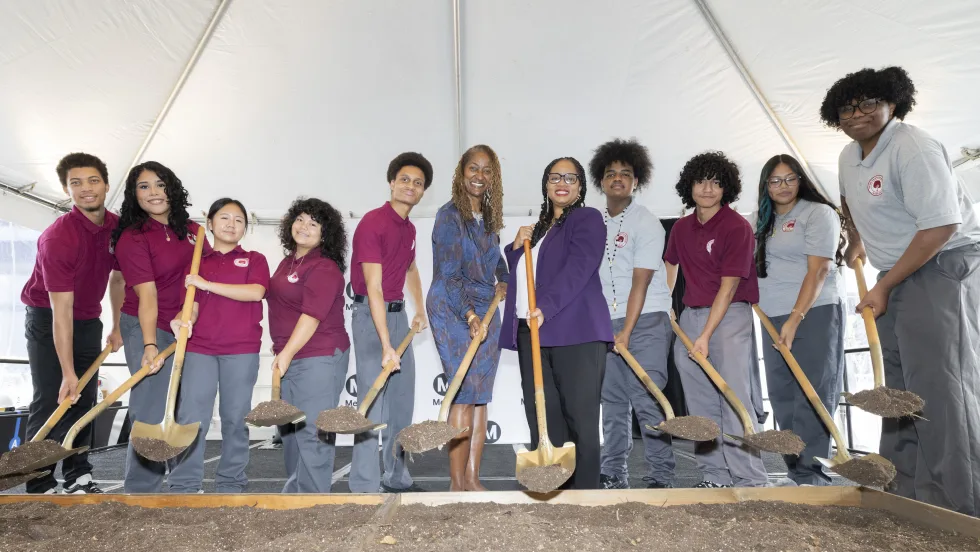
LA Metro Breaks Ground on Vermont BRT Project
The 12.4-mile corridor is projected to serve 66,200 daily riders, reduce travel times by up to 24%, and create the nation's busiest bus rapid transit corridor.
Read More →
Roman Cornell on ABC Companies’ Evolution and the Future of Passenger Transportation
The company’s CEO discusses carrying forward a third-generation family legacy, ABC’s continued evolution in passenger transportation, support for increasingly complex fleets, and how technology and continued investment could help operators improve uptime.
Read More →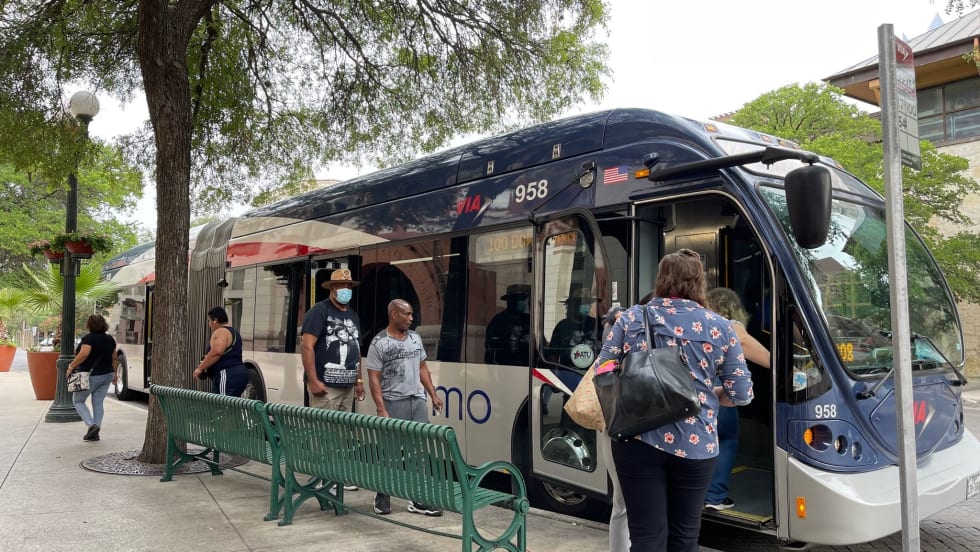
VIA Bus Ridership Grows 10.1% Through August 2026
San Antonio's VIA Metropolitan Transit reported the highest bus ridership growth among major Texas transit systems. Federal Transit Administration data ranked it second among the nation's 50 largest transit systems.
Read More →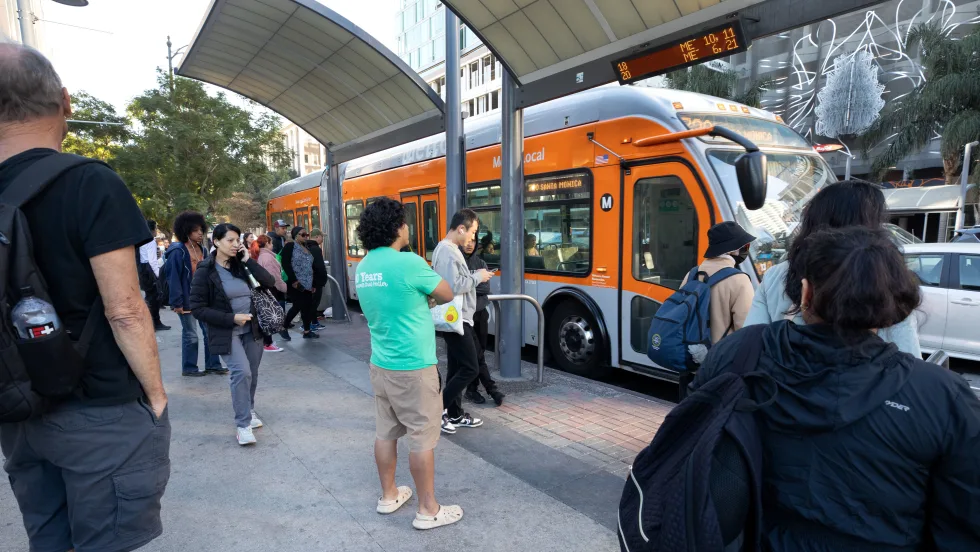
LA Metro September Ridership Climbs 3.9%, Led by Rail Growth
The agency recorded more than 27.2 million boardings, with rail ridership increasing 12.4% year over year and the D Line posting the largest gains.
Read More →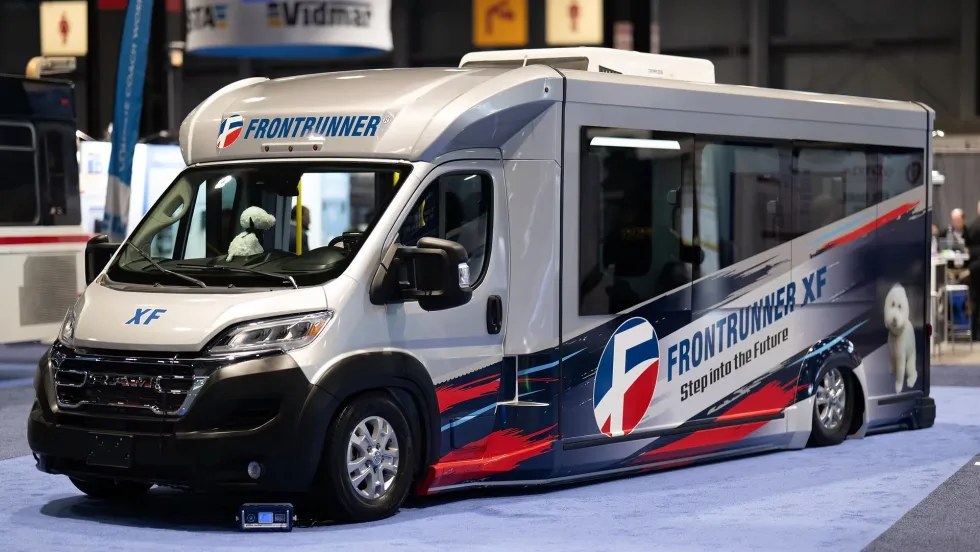
Frontrunner Bus Group Introduces XF Low-Floor Bus with Enhanced Accessibility
The new mid-sized bus features a full flat-floor design, eight-inch curbside step-in height, and zero-entry rear ramp to improve passenger access and operational flexibility.
Read More →
Scenes from APTA TRANSform & EXPO 2026
Transit leaders, manufacturers, and industry professionals gathered in Chicago to explore new technologies, share ideas, and discuss the future of public transportation.
Read More →
More Than a Summer Job: Building the Next Generation of Transit Talent
The Delaware River Port Authority and PATCO have transformed their internship program into a hands-on professional development experience that introduces students to the breadth of transportation careers — and creates a pipeline for future employees.
Read More →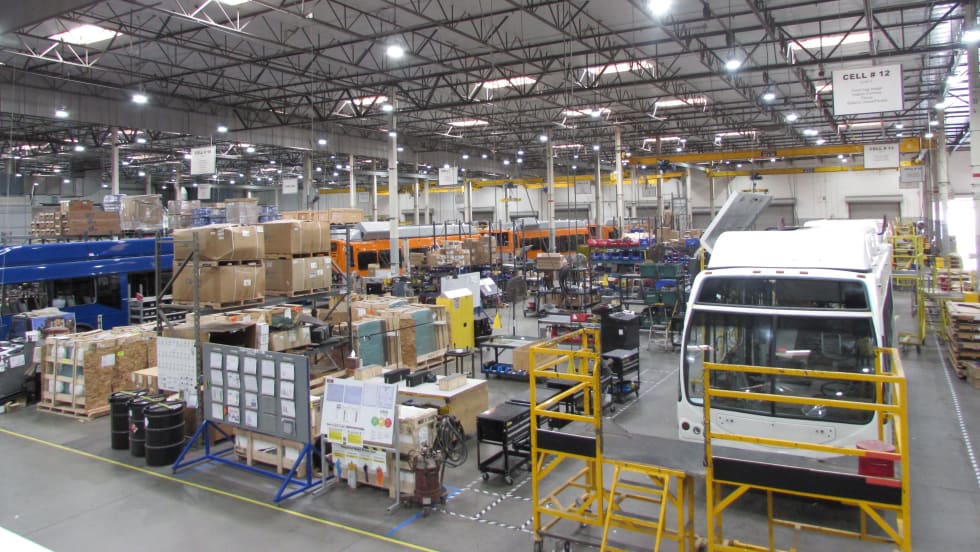
LA Metro Board Awards 220 Battery-Electric Bus Contract to ENC
The contract, which is the largest base award of battery-electric buses by a U.S. transit agency, will be built in Southern California, sustaining good jobs as LA prepares to welcome the world in 2028
Read More →
Public Transit Conference Returning to GFX in 2027, Call for Papers Now Open
The Call for Papers is now open, allowing transit agency professionals and industry experts to help shape the PTC educational program by submitting session ideas for consideration.
Read More →