



SacRT chief Li honored as 'Best Transit CEO in North America'
Oversaw transformation of culture to “Customers First and Business Optimization,” and improving organizational performance.

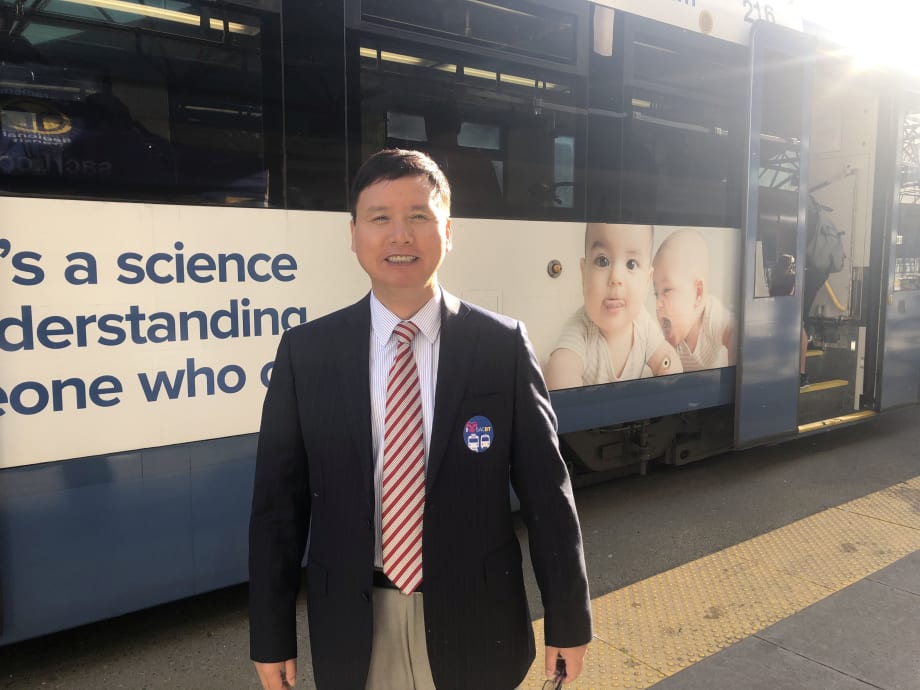
Since becoming GM/CEO of Sacramento Regional Transit District in July 2016, Henry Li has been credited for the solid, rapid and comprehensive transformation of the agency that has been praised by the Sacramento community and the transit industry nationwide.
SacRT
Since becoming GM/CEO of Sacramento Regional Transit District in July 2016, Henry Li has been credited for the solid, rapid and comprehensive transformation of the agency that has been praised by the Sacramento community and the transit industry nationwide.
SacRT
Henry Li, Sacramento Regional Transit District’s (SacRT) GM/CEO, received the 2019 Outstanding Public Transportation Manager Award from the American Public Transportation Association (APTA).
This prestigious and highly competitive award, described by APTA as the equivalent of an Oscar award to the industry, is presented to a manager who has made outstanding contributions to the advancement of public transportation in North America.
“His leadership at SacRT has created phenomenal results not only in the quality of service, but also in the restoration of positive financial ratings, increase in ridership, implementation of innovations, and the rebuilding of public trust," said APTA President and CEO Paul P. Skoutelas. " It takes a true leader with a focused vison to achieve the impressive results seen in his three year term at SacRT.”
SacRT
Li’s selection is a testament to his vision, dedication and leadership to take SacRT to the next level as a world-class transit agency, according to officials.
He implemented historic improvements over the last three years as GM/CEO, including ridership growth for SacRT, despite the industry struggling with downward trends.
He is highly praised by the Sacramento community and the industry for implementing a solid and comprehensive transformation of SacRT in record speed.
Li has proved to be a powerful change agent, overseeing a massive transformation to a solid culture of “Customers First and Business Optimization,” and dramatically improving key aspects of organizational performance, including safety, security, cleanliness, fiscal health, rail system modernization, service reliability, customer satisfaction, and ridership improvements.
Some of Li’s major accomplishments include:
1. Developed industry best in class safety and security performance as demonstrated by receiving the Gold Standard Award, the highest recognition given to a transit agency, from the Transportation Security Administration (TSA). SacRT achieved a remarkable score of 98% in all 17 security and emergency preparedness categories and now has one of the lowest crime rates in the industry.

Li's accomplishments include jump-starting a comprehensive rail system modernization and expansion initiative.
SacRT
2. Jump-started a comprehensive rail system modernization and expansion initiative, which includes investing in new low-floor rail vehicles, revitalizing aging infrastructure, implementing new technologies to improve reliability and safety, modernizing stations and expanding the system.
3. Challenged the traditional governmental operations to function more like a business-oriented enterprise by implementing transformative improvement initiatives; dramatically turning around a negative financial situation to achieve a cost-avoidance of $75 million; addressing a decade-long trend of depleted reserves by building a $20 million and growing reserve fund; and pioneering a transit oriented development program leading to thousands of new housing units within a short proximity of transit.
4. Developed an inspirational vision and top-notch leadership team to pursue excellence on all fronts with strong transparency and accountability. Fostered a strong regional collaboration that led to annexation and/or unification of peer transit systems within the greater six-county Sacramento region to promote customer-friendly and integrated mobility solutions for regional economic growth, traffic congestion mitigation, and air quality and environmental improvement.
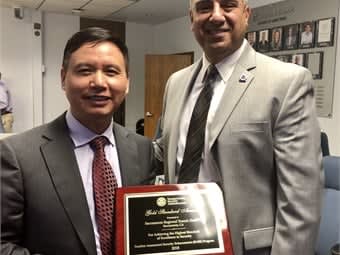
SacRT among agencies recognized with TSA's Gold Standard Award in 2019. TSA Federal Security Director Sid Hanna (right) presented the award to SacRT’s GM/CEO Henry Li.
SacRT
5. Actively pursued forward-thinking and innovative solutions to improve the customers experience, such as on-demand microtransit, mobile apps, micro-mobility options, an electric and autonomous vehicles; developing the framework for future Mobility as a Service (MaaS) to create industry best practices.
6. Re-imagined and optimized SacRT’s bus network, which had not been updated in 30 years. Dubbed as SacRT Forward, the redesigned bus routes, to be launched in September, features more frequent and direct service, seven days a week and more late night service.
“I am truly humbled and grateful to receive this honor, but this is genuinely about the community and our commitment to improving mobility in our region,” said Li. “It is through the leadership and support from the Board, the hard work and dedication of our employees and the collaboration and support from riders, community stakeholders and advocates that we have been able to achieve transformational successes.”
More Management

FTA Ends Direct Oversight of MBTA Safety Actions
The federal agency closed its remaining special directive to the Massachusetts Department of Public Utilities following a safety review that began in 2022.
Read More →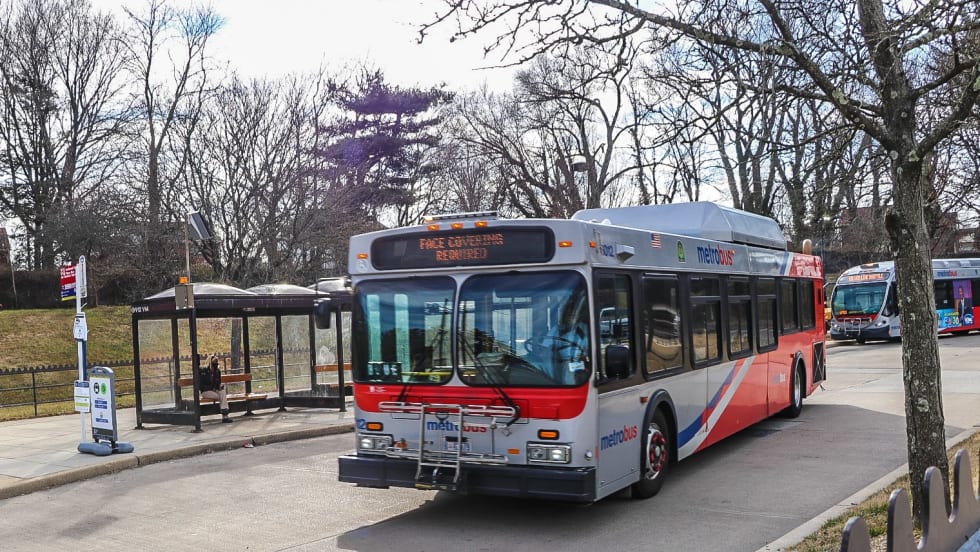
Report: Transit Bus Manufacturing Supports 34,100 Jobs, $5.1B in GDP
The “Buses Mean Business” report examines the transit bus manufacturing industry’s economic footprint, supply chain, and rising demand for vehicle replacements.
Read More →
LIT Marks 10-Year Milestone at Annual Summit
Hosted by the COTA from September 10 to 13, the Summit carried the theme “Celebrating 10 Years of Excellence, Leadership, and Impact,” with every part of the program honoring the people, agencies, and partners who built LIT over its first decade.
Read More →

People Movement: Dan Dipert Coaches Adds Third-Generation Leader, Keolis Names New Valley Metro VP/GM, and More
In this edition, we also cover recent appointments and announcements at the Wabtec, SilverRide, HNTB, and more, showcasing the individuals helping to shape the future of transportation.
Read More →
METRO Opens Submissions for 2026 Motorcoach Awards
Nominations are now being accepted for METRO Magazine’s Operator of the Year and Innovative Operator of the Year awards.
Read More →
New York MTA Advances Final Contract for Second Avenue Subway Expansion
Contract Four is the largest in the Second Avenue Subway Phase 2 project and includes construction of station infrastructure, tracks, and signals for the subway expansion, MTA officials said. Work on Contract Four will begin in 2027.
Read More →
Transit Agencies Highlight Safety Gains at National Summit
Leaders from 15 major transit systems shared crime-reduction results and safety initiatives while discussing the role of continued federal support.
Read More →
NITA Names New Leadership, Expands Reduced-Fare Program at First Board Meeting
The new regional transit authority appointed its first board chair and interim executive director while extending reduced fares across CTA, Metra, and Pace for eligible riders.
Read More →
Beyond the Checklist: A Structured Approach to Transit Maintenance
Reliability-Centered Maintenance helps transit agencies move beyond routine checklists to focus limited resources on the assets and failures that have the greatest impact on safety, reliability, and service.
Read More →
APTA 2026 Nominating Committee Selects Leadership Slate, Names Chair and Vice Chair Nominees
Leadership changes will help shape the association’s priorities and its representation of the transportation industry during the 2026–2027 term.
Read More →