



San Diego Looks to Combat 'Wildcatting' Amid Public Safety Concerns
Wildcatters are unregulated and unpermitted ridesharing services who can be aggressive with their tactics to secure rides. Oftentimes, wildcatters harass taxicab drivers, vandalize public property, and do not undergo safety screenings.


Without proper oversight, unregulated transportation services may not carry enough insurance to protect passengers in case of an accident.
Photo: San Diego MTS
The San Diego Metropolitan Transit System (MTS) and the San Diego County District Attorney (DA) — in partnership with elected officials, and several law enforcement and government agencies — launched a strategic educational campaign and stepped-up law enforcement presence to combat wildcatting at MTS transit centers at the San Ysidro Land Port of Entry and Otay Mesa Land Port of Entry.
Wildcatters are unregulated and unpermitted ridesharing services who can be aggressive with their tactics to secure rides. Oftentimes, wildcatters harass taxicab drivers, vandalize public property, and do not undergo safety screenings.
Issues Caused By Wildcatters
Without proper oversight, unregulated transportation services may not carry enough insurance to protect passengers in case of an accident.
Wildcatters do not undergo criminal background checks, do not receive safety training, and do not perform vehicle safety inspections. This lack of oversight can result in unsafe rides, price gouging, and limited protection for riders in the case of an accident.
“Accepting rides from un-permitted drivers who operate illegally and are not vetted can put people at risk of becoming the victim of crimes like recruitment for human trafficking, fraud, and overcharging,” said San Diego County District Attorney Summer Stephan. “Protecting the safety of San Diego County residents, commuters, and others who cross the border falls squarely in our mission of preventing crime. We are also working closely with our law enforcement and transportation partners to hold those who are not authorized to offer this type of service accountable for their crimes.”
Wildcatters have been present in San Ysidro for decades, but they are now increasing in the Otay Mesa area and outside the new PedWest pedestrian crossing in San Ysidro due to cross-border passenger demand and the increase of new employers.
Knowing Who is A Safe Operator
While there are many transportation options once people enter the U.S. from the San Ysidro and Otay Mesa border crossings, it’s important for travelers to know which are safe and which are illegal and potentially dangerous.
The first step in this partnership between MTS and the DA’s office is increasing awareness with travelers about the dangers and illegal activity of wildcatting. The agencies are increasing signage in and around the transit centers.
Additionally, MTS is working with local law enforcement to improve visibility and strengthen their presence with heightened patrols near the border. The agencies will also post notices at San Ysidro and Otay Mesa pedestrian crossings in cooperation with U.S. Customs and Border Protection.
To ensure passengers have safe, reliable, and reasonable travel accommodations, MTS’s For-Hire Vehicle Administration licenses and oversees taxicabs, non-emergency medical transports, charter vehicles, etc.
Pedestrians crossing the border can choose from MTS buses and trolleys and other legitimate transportation options, including taxicabs and privatized charter buses.
More Security and Safety

Transit Agencies Highlight Safety Gains at National Summit
Leaders from 15 major transit systems shared crime-reduction results and safety initiatives while discussing the role of continued federal support.
Read More →
DART Launches Major Security, Fare Enforcement Initiative
The 90-day demonstration will deploy coordinated security teams at five light rail stations while testing controlled access and gathering data to guide future investments.
Read More →
RTD Launches NextRide App to Consolidate Trip Planning, Fares, Security Reporting
The app expands on RTD’s existing NextRide web application and allows customers to view real-time vehicle locations and service alerts, purchase and store digital fares, and access customer support.
Read More →

TAPTCO Updates OSHA Compliance Training for Transit Maintenance Operations
The revamped program addresses 26 OSHA standards for maintenance facilities, with TAPTCO pointing to training, documentation, and everyday shop hazards as continuing challenges for transit operations.
Read More →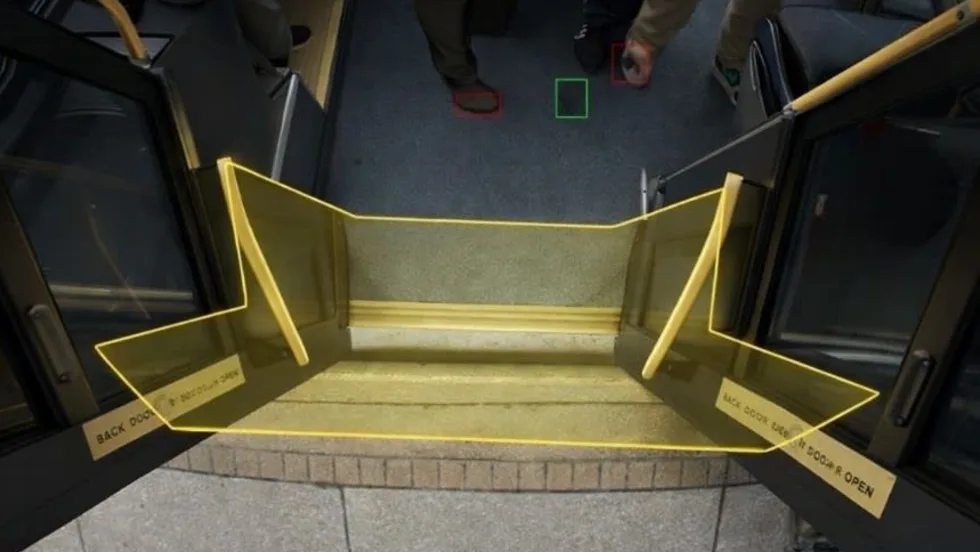
How VaporVision Adds Value to Transit Door Systems
Wabtec engineers explain how the system improves doorway detection, strengthens diagnostics and gives transit agencies and OEMs greater operating flexibility.
Read More →
FRA Announces $5.3B in Rail Investments, Including $2B for Amtrak
Funding will support grade-crossing improvements, infrastructure upgrades, and new Amtrak equipment in 23 states.
Read More →
Chicago, Maryland Expand Non-Law-Enforcement Safety, Rider Support
The CTA and MTA are launching new programs aimed at de-escalation, crisis response, rider assistance, and greater transparency.
Read More →
LA Metro, City of West Hollywood, and Partners Advance Smarter Bus Lane Enforcement
The award-winning partnership combines AI-powered detection with human oversight to improve bus reliability, accessibility, and enforcement efficiency.
Read More →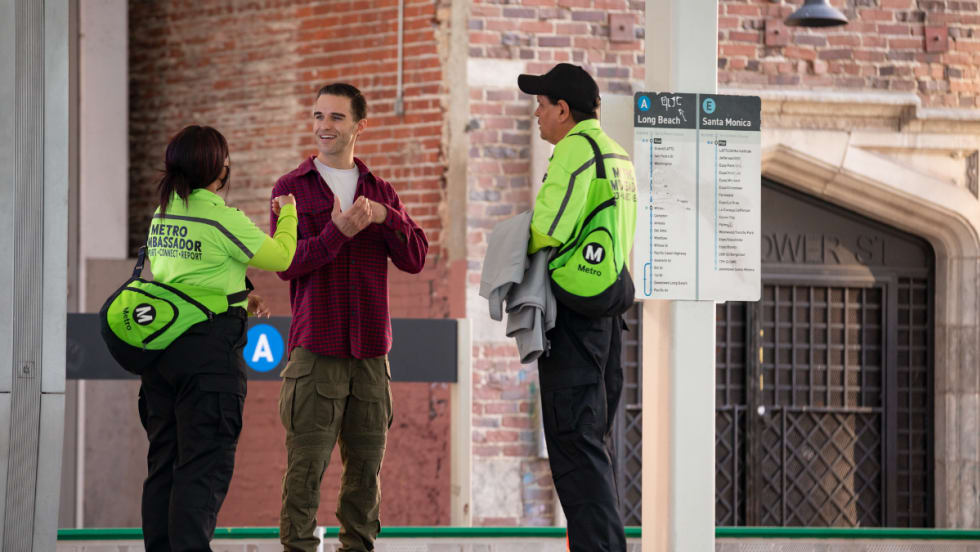
LA Metro Reports 57% Decline in Homelessness on Transit System Since 2024
The agency's latest homelessness count offers new data on how care-based services and cross-sector partnerships can complement traditional transit security strategies.
Read More →
FTA Launches 'Transit Moves America' Dashboard to Highlight Agency Safety and Performance
The online dashboard transforms National Transit Database information into a public-facing resource that allows users to compare transit agencies on key operational and safety metrics.
Read More →