




More News: San Diego Experiences Ridership Surge on Free Ride Day
San Diego MTS Board Approves Changes to Fare Enforcement
MTS’s New Fare Enforcement Diversion Program changes likely to see largest impact on Trolly riders.
October 18, 2024

San Diego MTS is cracking down on fare evasion with changes that are expected to have the greatest impact on Trolley riders.
Photo: San Diego MTS
2 min to read
The San Diego Metropolitan Transit System (MTS) board approved important modifications to the agency’s Fare Enforcement Diversion Program. The program changes will be phased in over the next months starting with educating riders about the new rules.
Starting on February 1, 2025 riders caught without a valid fare during MTS security inspections will be issued a citation immediately. MTS security will no longer offer a chance to buy a fare or validate fares on-the-spot.
Focusing on Trolley Riders
While the policy changes will be system-wide, the largest impact will be felt by Trolley riders.
Once the change takes effect riders will automatically receive a citation if they don’t have a valid fare while riding the Trolley. A citation will result in a $25 fine if cleared through the MTS Diversion Program.
If the citation is not cleared within 120 days, it may result in an estimated $192 fine or more in traffic court.
Riders with no previous citations will have the opportunity to have their first citation dismissed when they appeal through the Diversion Program. Riders also have the ability to appeal the citation directly to MTS in other select cases.
A New Payment Method
The agency will also introduce convenient online and phone payment options for citations, enhancing the ease of compliance for riders.
Current payment methods include checks mailed to the agency or in-person payments at the MTS Transit Store. The new online and phone payment options aim to streamline the process.
A recent analysis of agency fare collection estimates that MTS experienced a loss of $17 million to $23 million in fare revenue due to fare evasion from May 2022 to July 2024.
The analysis also revealed that more than 57,000 riders per month are not paying their fare unless an on-the-spot payment is taken by an MTS Security officer while the rider is already on board.
Since MTS Security officers are not inspecting the fares of every rider on every trip, this has been costing MTS approximately $1,000,000 per month in unpaid fares.
MTS depends on recovering that lost revenue to keep service levels high and fares low for everyone.
More Security and Safety

Transit Agencies Highlight Safety Gains at National Summit
Leaders from 15 major transit systems shared crime-reduction results and safety initiatives while discussing the role of continued federal support.
Read More →
DART Launches Major Security, Fare Enforcement Initiative
The 90-day demonstration will deploy coordinated security teams at five light rail stations while testing controlled access and gathering data to guide future investments.
Read More →
RTD Launches NextRide App to Consolidate Trip Planning, Fares, Security Reporting
The app expands on RTD’s existing NextRide web application and allows customers to view real-time vehicle locations and service alerts, purchase and store digital fares, and access customer support.
Read More →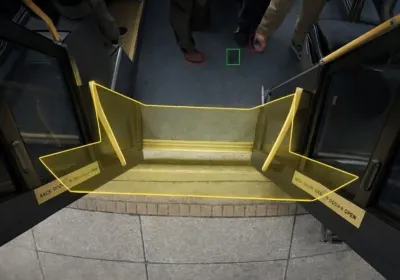
TAPTCO Updates OSHA Compliance Training for Transit Maintenance Operations
The revamped program addresses 26 OSHA standards for maintenance facilities, with TAPTCO pointing to training, documentation, and everyday shop hazards as continuing challenges for transit operations.
Read More →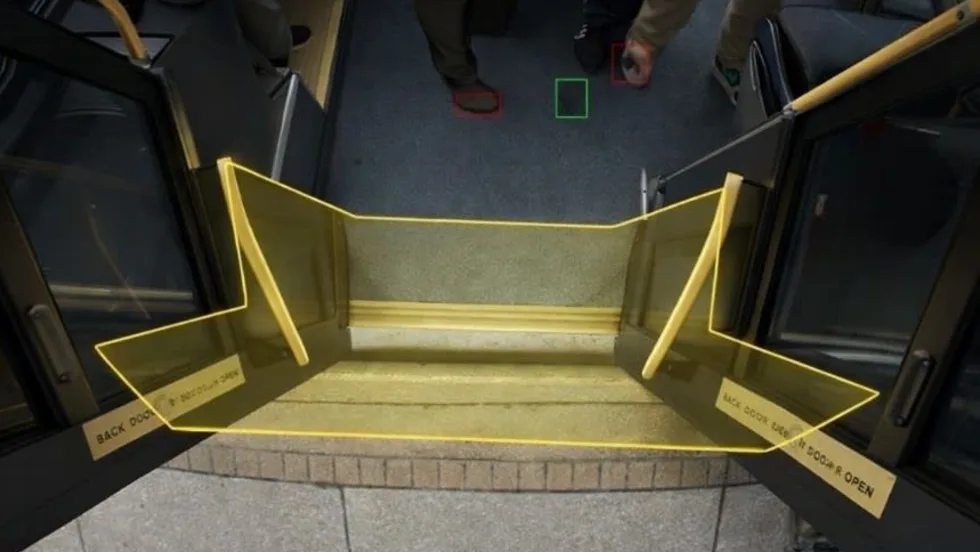
Sponsored•August 18, 2026
How VaporVision Adds Value to Transit Door Systems
Wabtec engineers explain how the system improves doorway detection, strengthens diagnostics and gives transit agencies and OEMs greater operating flexibility.
Read More →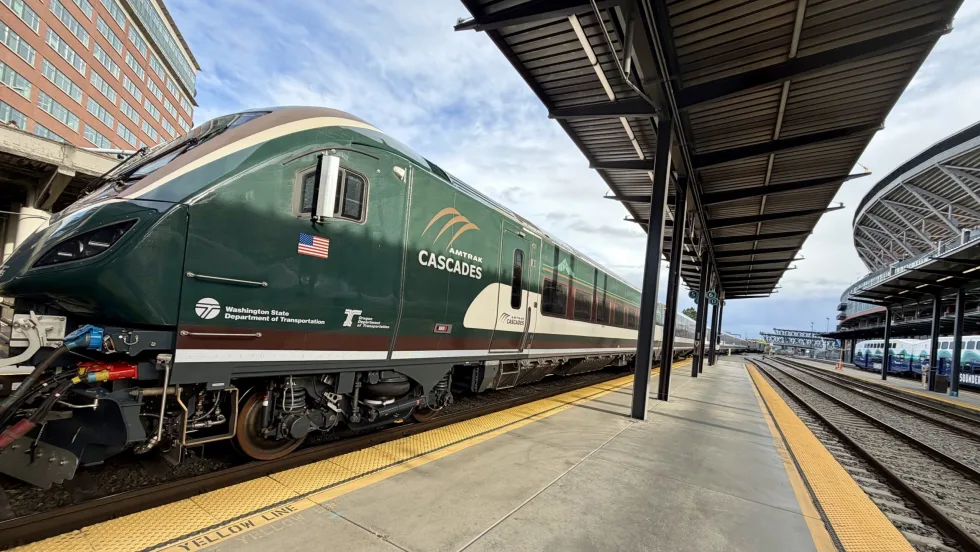
FRA Announces $5.3B in Rail Investments, Including $2B for Amtrak
Funding will support grade-crossing improvements, infrastructure upgrades, and new Amtrak equipment in 23 states.
Read More →
Chicago, Maryland Expand Non-Law-Enforcement Safety, Rider Support
The CTA and MTA are launching new programs aimed at de-escalation, crisis response, rider assistance, and greater transparency.
Read More →
LA Metro, City of West Hollywood, and Partners Advance Smarter Bus Lane Enforcement
The award-winning partnership combines AI-powered detection with human oversight to improve bus reliability, accessibility, and enforcement efficiency.
Read More →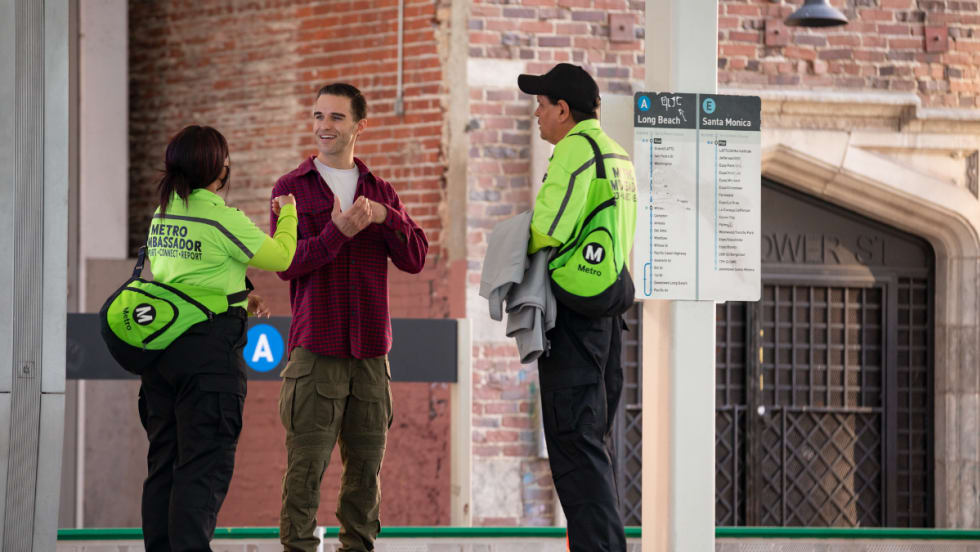
LA Metro Reports 57% Decline in Homelessness on Transit System Since 2024
The agency's latest homelessness count offers new data on how care-based services and cross-sector partnerships can complement traditional transit security strategies.
Read More →
FTA Launches 'Transit Moves America' Dashboard to Highlight Agency Safety and Performance
The online dashboard transforms National Transit Database information into a public-facing resource that allows users to compare transit agencies on key operational and safety metrics.
Read More →