



San Diego MTS stepping up wheelchair, priority seating enforcement
With the Board’s action to amend MTS Ordinance No. 13, refusal by a rider to vacate priority seating and wheelchair areas for persons with disabilities and the elderly upon request may result in a citation and fines up to $100.


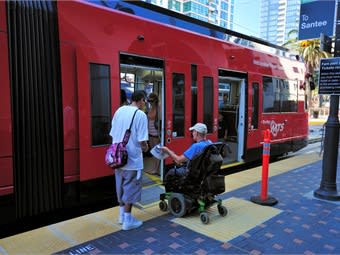
San Diego Metropolitan Transit System (MTS) riders may now face steep fines if they refuse to vacate priority seating designated for the disabled and seniors (65+) based on a new state law and a new MTS ordinance amendment approved by the MTS Board of Directors on Thursday. The new ordinance will take effect on February 13.
With the Board’s action to amend MTS Ordinance No. 13, refusal by a rider to vacate priority seating and wheelchair areas for persons with disabilities and the elderly upon request may result in a citation and the following fines:
$25 for first offense
$50 for second offense
$100 for third and subsequent offenses
All of these fines are subject to significant court administrative fees.
“This new policy gives our operators and security personnel another tool to help our passengers with limited mobility,” said MTS CEO Paul Jablonski. “Previously we were only allowed to request that passengers vacate their seat. We could not enforce or compel a person to move. Now we have that authority.”
In October 2015, Senate Bill 413 was signed into law giving California transit agencies the enforcement authority to establish a mandatory move policy. Senate Bill 413 allows a transit agency to enforce as an infraction the act of failing to vacate seating designated for individuals with a disability or an elderly person.
All Trolley and bus vehicles have multiple areas designated for the disabled and seniors. These seats and areas are marked clearly with blue signs and are located near entry/exit points.
MTS operates 95 bus routes and three Trolley lines on 53 miles of double-tracked railway. Every weekday more than 300,000 passenger trips are taken on MTS bus and Trolley services. MTS set a new record in FY 2015 with 96.7 million riders.
More Paratransit

Biz Briefs: RIPTA Unveils New Frontrunners, Clevland RTA Adds New Siemens, and More
In METRO's latest installment, we take a look at recent news from Siemens, Prevost, Dodge, and more partnerships making headlines across the transportation sector.
Read More →
King County Metro Makes ADA Paratransit Easier to Navigate
METRO's Innovative Solutions Award winner replaces complex service-area descriptions with an accessible, interactive map that puts paratransit information directly in customers’ hands.
Read More →
Jacksonville’s NAVI Project Charts a New Course for Autonomous Public Transportation
Through its NAVI program, JTA is showing how autonomous vehicles, intelligent infrastructure, and coordinated operations can work together to deliver everyday public transportation.
Read More →
Driving Smarter Paratransit
John Hanlon shares how AlphaRoute is leveraging AI-powered technology to help paratransit providers optimize operations, support frontline staff, and enhance the rider experience.
Read More →
METRO Magazine Announces 2026 Innovative Solutions Awards Winners
Projects Recognized for Advancing Mobility Through Technology, Accessibility, Workforce Innovation, and Operational Excellence
Read More →
Biz Briefs: STV teams with Amtrak, Motorcoach Operators Boost Fleet and Land Contracts, and More
From manufacturers and suppliers to transit agencies and motorcoach operators, these updates offer a snapshot of the projects, partnerships and business moves driving the industry forward.
Read More →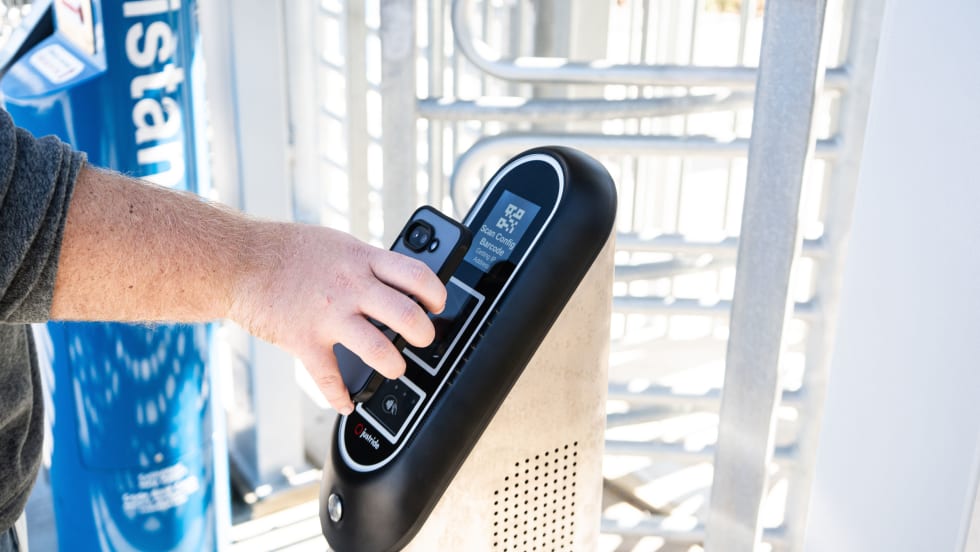
Biz Briefs: Masabi Teams with St. Louis Metro and More
In METRO's latest installment, we take a look at recent news from Transdev, Hitachi, and more partnerships making headlines across the transportation sector.
Read More →
New York MTA Leverages Zoning Program to Advance Station Accessibility
Accessibility enhancements at Nevins St Station will be financed through a development agreement tied to the MTA's Zoning for Accessibility initiative.
Read More →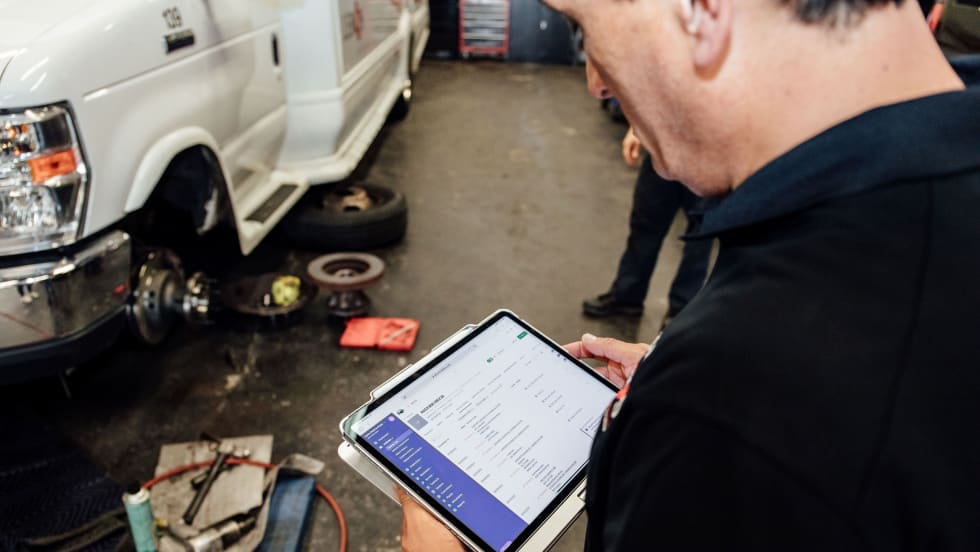
Reinventing Fleet Maintenance with Real-time Visibility and AI
Transit leaders need to know what needs fixing, where to look, who is responsible, when work is completed, and what it costs without having to chase information across disconnected systems.
Read More →
SamTrans Sets Priorities for Potential Connect Bay Area Revenue
The board-approved framework allocates future funding to maintaining service, rider improvements, equity initiatives, and infrastructure repairs.
Read More →