



San Diego's MTS puts first battery-electric buses into revenue service
The launch of passenger service follows several weeks of route validation and bus operator training on multiple routes around San Diego.

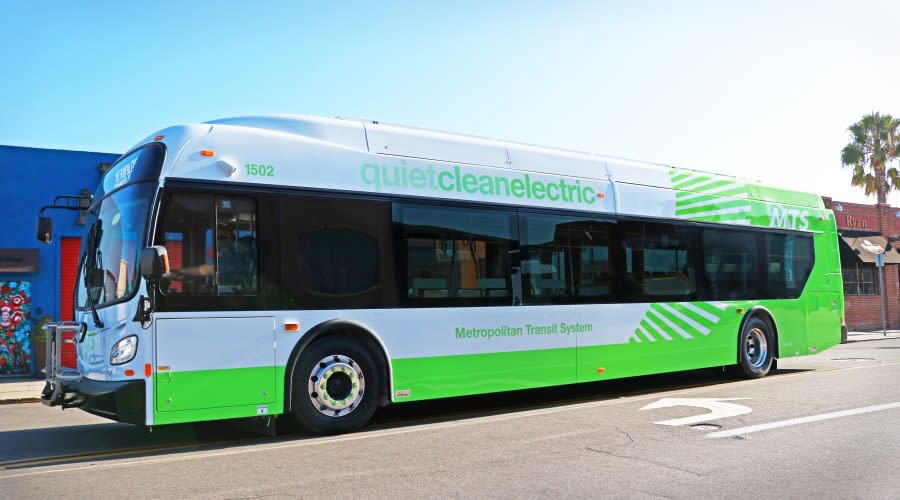
After 18 months of testing and modeling, MTS will have an accurate and holistic picture of the operational realities to present to the MTS board as the agency develops a road map to transition to a full zero-emissions fleet.
MTS
After 18 months of testing and modeling, MTS will have an accurate and holistic picture of the operational realities to present to the MTS board as the agency develops a road map to transition to a full zero-emissions fleet.
MTS
The first of six New Flyer battery-electric buses acquired by the San Diego Metropolitan Transit System (MTS) began serving passengers, setting in motion the two-year electric bus pilot program first announced earlier this fall.
The historic first trip departed the 24th Street Transit Center in National City, serving passengers of Route 13 to Kaiser Hospital. The launch of passenger service follows several weeks of route validation and bus operator training on multiple routes around San Diego.
MTS’s existing fleet of 40- and 60-foot fixed-route buses is fueled by compressed natural gas (CNG). State regulations require public transit agencies to gradually transition to all-ZEB fleets by 2040. MTS is preparing for that mandate by initiating the pilot program, which allows MTS staff to analyze vehicle performance under various conditions and train drivers on the most efficient driving habits.
“Our focus is on providing the highest level of service for our riders and achieving the maximum return on our investments,” said MTS Chief Executive Officer Paul Jablonski. “Getting these buses on the roads will immediately improve the air quality in the communities we serve while arming us with the performance data and operational insights necessary to build an effective transition plan.”
The electric buses have an average estimated range of 150 miles per charge. After 18 months of testing and modeling, MTS will have an accurate and holistic picture of the operational realities to present to the MTS board as the agency develops a road map to transition to a full zero-emissions fleet.
The new buses include the newest on-board video surveillance systems, enhanced wheelchair restraint systems with forward-facing safety barriers, and fully electric air conditioning and engine coolant systems.
The board-approved budget for the pilot program is $12.5 million, including a combination of bus and infrastructure costs, and design/consulting/project management expenses. The program is funded by the combination of a Caltrans grant, California Air Resources Board offsets, funding from the state’s Low Carbon Transit Operations Program and its Hybrid and Zero-Emission Truck and Bus Voucher Incentive Project, as well as the MTS Capital Improvement Program.
More Zero Emissions

Building a Flexible Path to Transit Electrification with BAE's John Hroncich
John Hroncich discusses BAE Systems’ modular and scalable approach, lessons learned from decades of real-world operations, and how agencies can identify electrification strategies that fit their fleets.
Read More →
LA Metro Board Awards 220 Battery-Electric Bus Contract to ENC
The contract, which is the largest base award of battery-electric buses by a U.S. transit agency, will be built in Southern California, sustaining good jobs as LA prepares to welcome the world in 2028
Read More →
Public Transit Conference Returning to GFX in 2027, Call for Papers Now Open
The Call for Papers is now open, allowing transit agency professionals and industry experts to help shape the PTC educational program by submitting session ideas for consideration.
Read More →
Report: Transit Bus Manufacturing Supports 34,100 Jobs, $5.1B in GDP
The “Buses Mean Business” report examines the transit bus manufacturing industry’s economic footprint, supply chain, and rising demand for vehicle replacements.
Read More →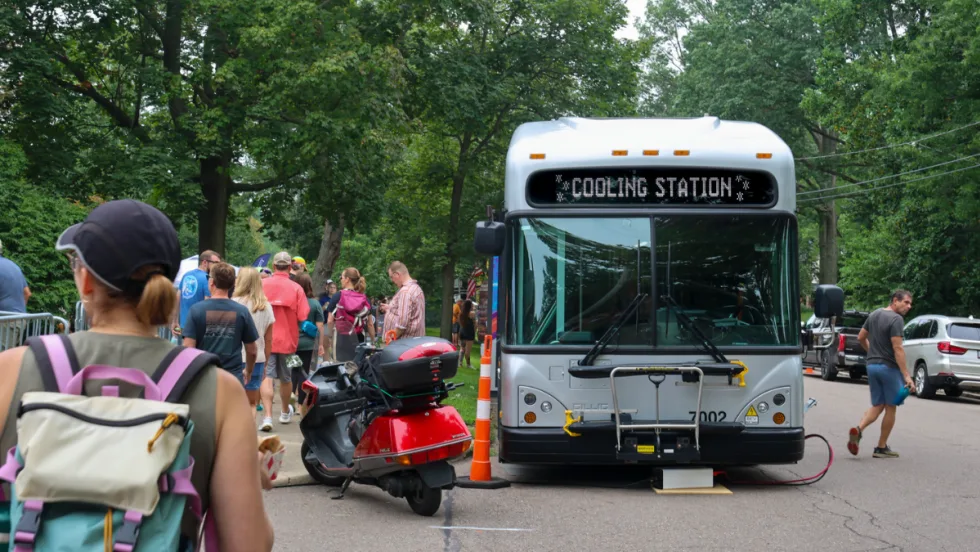
Ohio’s METRO RTA Turns Electric Buses into Mobile Power Sources at PorchROKR
See how three Gillig battery-electric buses powered festival stages while the agency’s new Park & Ride service carried approximately 1,000 attendees, demonstrating another potential use for transit agencies’ electric fleets.
Read More →
CALSTART and Forth Combine to Form Catalyst Mobility
The new name represents a renewed vision for the nonprofit focused on advancing clean, equitable, and affordable transportation solutions that move people and goods.
Read More →
Building a Flexible Path to Transit Electrification
John Hroncich discusses BAE Systems’ modular and scalable approach, lessons learned from decades of real-world operations, and how agencies can identify electrification strategies that fit their fleets.
Read More →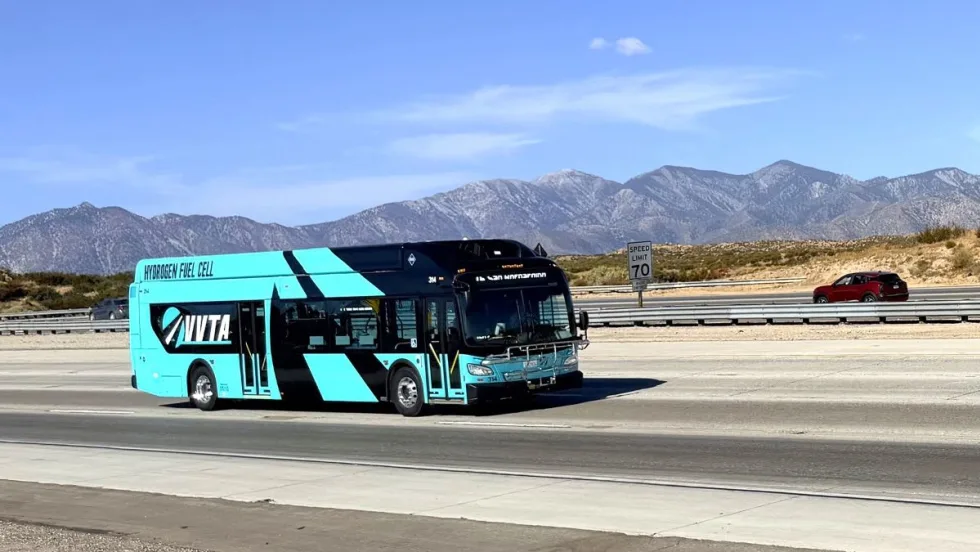
California's VVTA Begins Phased Rollout of Hydrogen Fuel Cell Buses
The agency is introducing 13 zero-emission buses into revenue service while evaluating performance across its urban, rural, and long-distance routes.
Read More →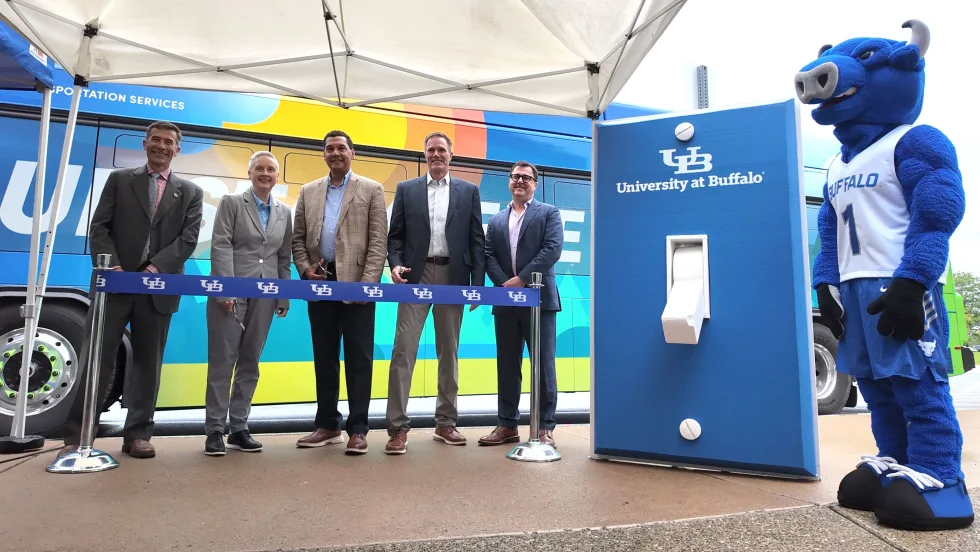
Inside Look: University at Buffalo Puts First 8 Electric Buses Into Stampede Service
UB, transportation solutions provider WeDriveU, and fleet electrification specialist Zenobē marked the deployment in the presence of students, university administrators, and local officials.
Read More →
Biz Briefs: OCTA Taps Clean Energy for Hydrogen Station, Stadler to Supply Via Rail Vehicles, and More
From manufacturers and suppliers to transit agencies and motorcoach operators, these updates offer a snapshot of the projects, partnerships and business moves driving the industry forward.
Read More →