




The city has committed to the following safety enhancements for cable cars and its operators:
San Francisco takes steps to increase cable car safety for operators
In the last four months, severe collisions resulted in two operators being hospitalized due to their injuries. The new efforts are a result of discussions with Mayor Lee, the Transport Workers Union Local 250-A, SFPD and SFMTA to bring additional awareness and e
August 12, 2015
Fred Hsu
3 min to read
Fred Hsu
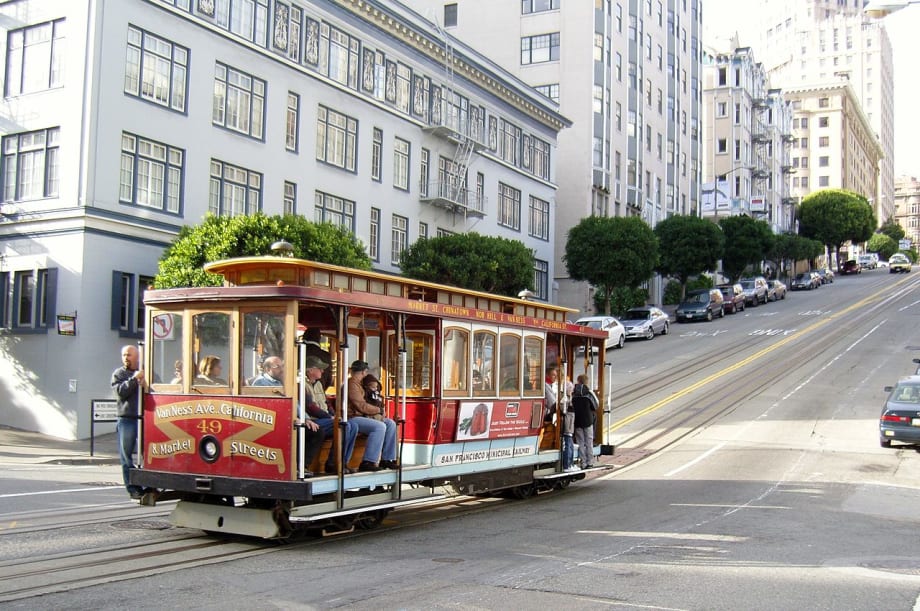
Mayor Ed Lee, the San Francisco Municipal Transportation Agency (SFMTA) and the San Francisco Police Department (SFPD) announced key steps to help keep operators of the historic cable cars safe while on duty.
“Keeping our City’s cable car conductors and operators safe while they are doing their job is our highest priority,” said Mayor Ed Lee. “Our historic cable car system is more than a century old, and our staff sometimes has to step into harm’s way to keep others safe. We are taking immediate action to keep staff safe by reminding motorists to stop behind cable cars, stop while operators are entering or exiting, and being aware of their surroundings. Safe driving will save lives and keep everyone safe.”
In the last four months, severe collisions resulted in two operators being hospitalized due to their injuries. The new efforts are a result of discussions with Mayor Lee, the Transport Workers Union Local 250-A, SFPD and SFMTA to bring additional awareness and enforcement to the issue.
SFPD will increase enforcement on cable car lines to ensure that motorist do not pass cable cars servicing a boarding zone.
Each cable car is now equipped with a mobile stop sign that operators can hold when they step out of the vehicle.
Launching a public awareness campaign to create more awareness of passengers and operators as they off-board cable cars.
The SFMTA is evaluating all signage within the cable car itself, along the route and at key areas, such as turnarounds, to assess any needed changes to increase safety.
Developing a cable car collision reduction program to identify ways to reduce collisions involving cable cars.
“Cable cars attract people from all over the world,” said SFPD Chief Greg Suhr. “And with so many people getting on and off the vehicle, it is important for motorists to follow the law. A driver would never pass a school bus, same thing with cable cars. Drivers who ignore this law can and will be cited.”
California Vehicle Code § 21756 requires drivers to stop at a safe distance behind any trolley or streetcar. The law determines distance to be the rear of the nearest running board or door. The driver and their vehicle must remain stopped for the duration of passenger boarding and exiting.
Fines for violation of the law are $238.00.
“We are absolutely committed to the safety of our Operators as well as our riders,” said Ed Reiskin SFMTA’s Director of Transportation. “Consistent with our Vision Zero efforts, we thank the Police Department for working with us to ensure everyone has a safe experience on Muni’s legendary cable cars.”
The city adopted Vision Zero as a policy in 2014, committing to eliminating traffic deaths by 2024. The approach includes building better and safer streets, educating the public on traffic safety, enforcing traffic laws, and adopting policy changes that save lives. The result of this collaborative, citywide effort will be safer, more livable streets as San Francisco works towards the Vision Zero goal of zero traffic fatalities by 2024.
More Security and Safety
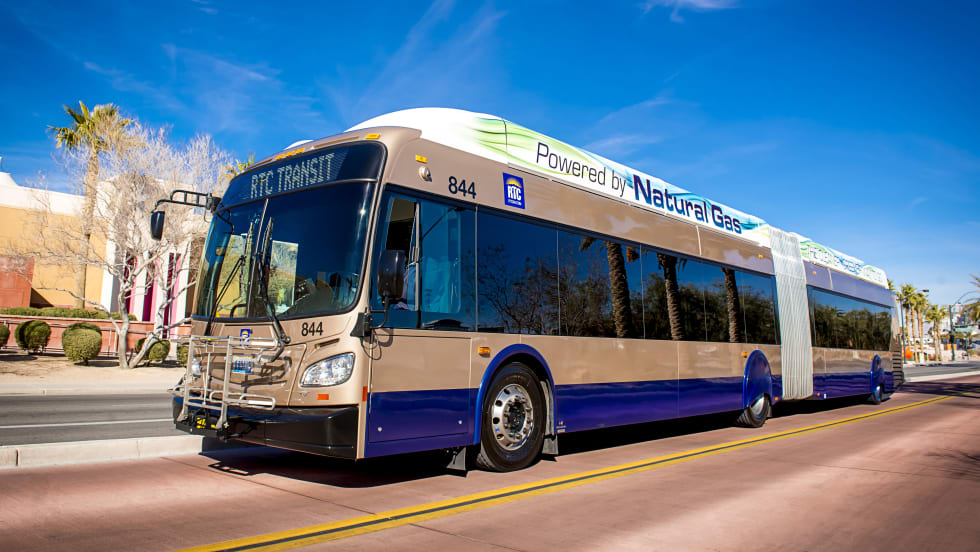
RTC of Southern Nevada Reports 29% Drop in Transit Operator Assaults
The agency credits expanded security measures, employee training, and technology investments for improvements in transit safety, while security officers have responded to 19 suspected overdoses since July.
Read More →
Public Transit Conference Returning to GFX in 2027, Call for Papers Now Open
The Call for Papers is now open, allowing transit agency professionals and industry experts to help shape the PTC educational program by submitting session ideas for consideration.
Read More →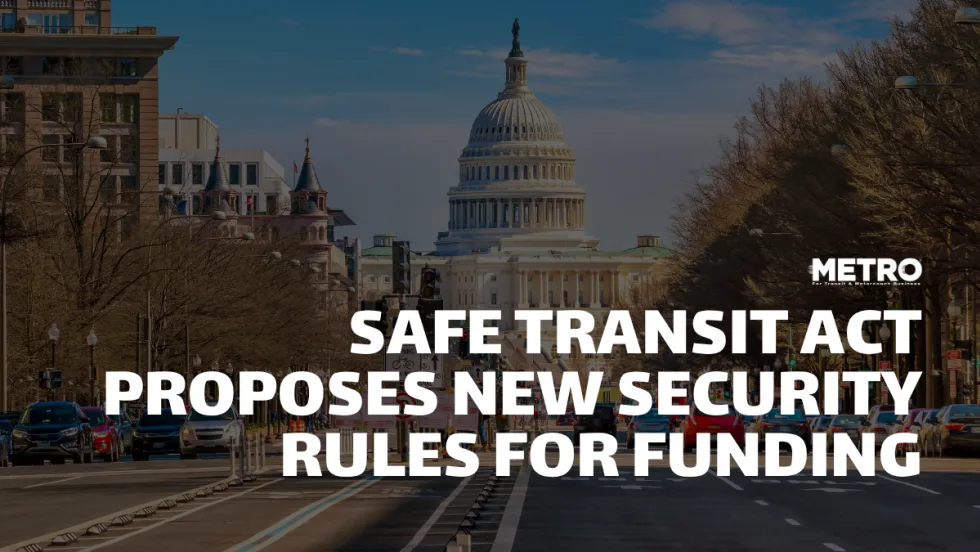
Safe Transit Act Proposes New Security Requirements for Federal Transit Funding
Proposed legislation would link federal transit dollars to safety measures while requiring security investments, onboard cameras, and new fare collection standards.
Read More →
FTA Ends Direct Oversight of MBTA Safety Actions
The federal agency closed its remaining special directive to the Massachusetts Department of Public Utilities following a safety review that began in 2022.
Read More →
Transit Agencies Highlight Safety Gains at National Summit
Leaders from 15 major transit systems shared crime-reduction results and safety initiatives while discussing the role of continued federal support.
Read More →
DART Launches Major Security, Fare Enforcement Initiative
The 90-day demonstration will deploy coordinated security teams at five light rail stations while testing controlled access and gathering data to guide future investments.
Read More →
RTD Launches NextRide App to Consolidate Trip Planning, Fares, Security Reporting
The app expands on RTD’s existing NextRide web application and allows customers to view real-time vehicle locations and service alerts, purchase and store digital fares, and access customer support.
Read More →
TAPTCO Updates OSHA Compliance Training for Transit Maintenance Operations
The revamped program addresses 26 OSHA standards for maintenance facilities, with TAPTCO pointing to training, documentation, and everyday shop hazards as continuing challenges for transit operations.
Read More →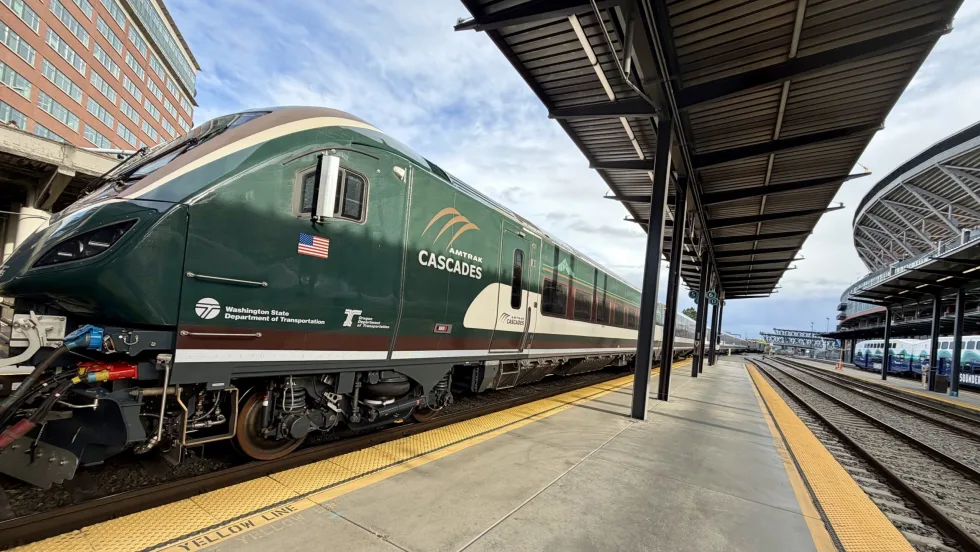
FRA Announces $5.3B in Rail Investments, Including $2B for Amtrak
Funding will support grade-crossing improvements, infrastructure upgrades, and new Amtrak equipment in 23 states.
Read More →
Chicago, Maryland Expand Non-Law-Enforcement Safety, Rider Support
The CTA and MTA are launching new programs aimed at de-escalation, crisis response, rider assistance, and greater transparency.
Read More →