




More News: San Diego Looks to Combat 'Wildcatting' Amid Public Safety Concerns
SCAG receives $2.28 million in grants for traffic safety programs
SCAG’s Go Human program aims to raise awareness of traffic safety issues, making the roads safer for pedestrians and bikers.
November 14, 2024

The SCAG's grant funded Go Human program highlights traffic safety issues and is using data analysis to enhance their work.
Photo: Canva
3 min to read
The Southern California Association of Governments (SCAG) has been awarded $2.28 million in grant funding from the California Office of Traffic Safety (OTS) to improve transportation safety, including a new regional safety data analysis and modeling platform, as well as continued work on its regional traffic safety and community engagement program, Go Human.
Making Roads Safer
Southern California has some of the highest rates of injuries and fatalities in the United States among pedestrians and bicyclists. An average of more than four people die and 16 people are seriously injured every day in traffic collisions in the six-county SCAG region (Imperial, Los Angeles, Orange, Riverside, San Bernardino, and Ventura counties). People walking or riding bikes account for nearly 34% of regional traffic deaths despite comprising only about three percent of all trips.
One of the two recently awarded OTS grants, for $922,456, will support the continued development and enhancement of a regional transportation safety data analysis and collision predictive modeling platform. The platform will be equipped with the ability to model predict and analyze safety risks on Southern California’s multimodal transportation system.
“Transportation safety is one of the most important issues we face as a region and is one of SCAG’s highest priorities. These new and more dynamic data resources and safety analytical methods will help us significantly enhance the safety of our multimodal transportation system,” said SCAG President Curt Hagman, a San Bernardino County Supervisor.
Using Data for Safety
The safety data platform will help reduce the number and severity of roadway collisions occurring in the region by leveraging innovative technologies and safety data resources, such as in-vehicle information systems and newly available collision modeling capacities.
OTS also granted $1.36 million for the continuation of SCAG’s Go Human program, which launched in 2015 to reduce collisions, improve safety for people walking and biking, and raise awareness of the importance of traffic safety. The newly awarded OTS grant will fund continued Go Human activities through September 30, 2025.
These activities include implementation of Go Human’s new traffic safety advertising campaign materials as the program enters its 10th year, development of an accessibility assessment to evaluate Go Human resources to improve accessibility and equitable distribution of the programs, and support of Community Expert Education Services for community-based organizations to perform work that advances traffic safety education.
OTS funded activities in 2025 will leverage a five-year, $12 million grant from the federal Safe Streets and Roads for All (SS4A) grant program. The SS4A grant will expand the reach of SCAG’s Go Human work, such as Kit of Parts technical assistance, co-branded safety messaging, and the Community Streets Grant Program, which has distributed more than $1.7 million to community-based organizations since 2018.
“Go Human fosters innovative solutions that build the capacity of our region to improve safety for those most affected by traffic violence, especially pedestrians and bicyclists,” said SCAG Executive Director Kome Ajise. “This funding allows us to continue our partnership with OTS in working to shift the culture around safety and accessibility in Southern California.”
Funding for this program is provided by a grant from the California Office of Traffic Safety, through the National Highway Traffic Administration.
More Security and Safety

Transit Agencies Highlight Safety Gains at National Summit
Leaders from 15 major transit systems shared crime-reduction results and safety initiatives while discussing the role of continued federal support.
Read More →
DART Launches Major Security, Fare Enforcement Initiative
The 90-day demonstration will deploy coordinated security teams at five light rail stations while testing controlled access and gathering data to guide future investments.
Read More →
RTD Launches NextRide App to Consolidate Trip Planning, Fares, Security Reporting
The app expands on RTD’s existing NextRide web application and allows customers to view real-time vehicle locations and service alerts, purchase and store digital fares, and access customer support.
Read More →

TAPTCO Updates OSHA Compliance Training for Transit Maintenance Operations
The revamped program addresses 26 OSHA standards for maintenance facilities, with TAPTCO pointing to training, documentation, and everyday shop hazards as continuing challenges for transit operations.
Read More →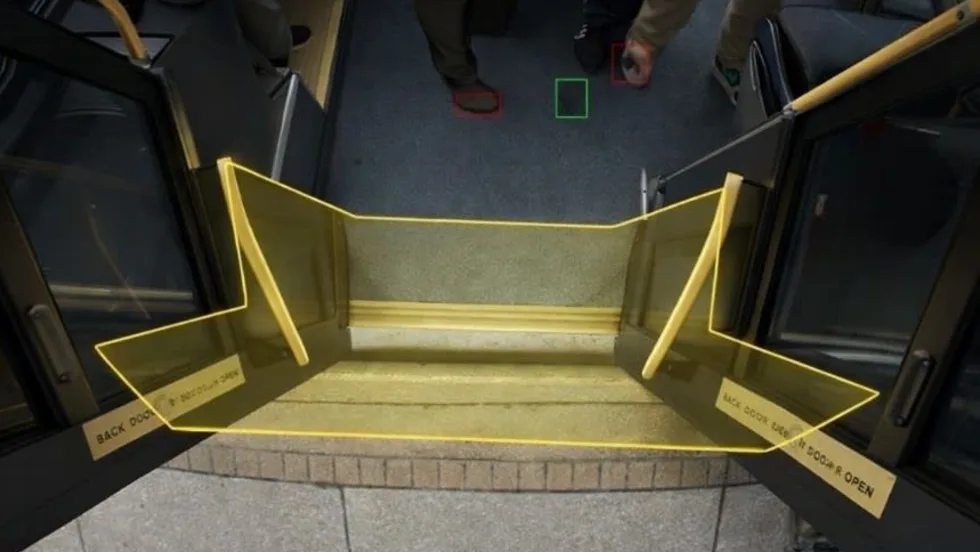
Sponsored•August 18, 2026
How VaporVision Adds Value to Transit Door Systems
Wabtec engineers explain how the system improves doorway detection, strengthens diagnostics and gives transit agencies and OEMs greater operating flexibility.
Read More →
FRA Announces $5.3B in Rail Investments, Including $2B for Amtrak
Funding will support grade-crossing improvements, infrastructure upgrades, and new Amtrak equipment in 23 states.
Read More →
Chicago, Maryland Expand Non-Law-Enforcement Safety, Rider Support
The CTA and MTA are launching new programs aimed at de-escalation, crisis response, rider assistance, and greater transparency.
Read More →
LA Metro, City of West Hollywood, and Partners Advance Smarter Bus Lane Enforcement
The award-winning partnership combines AI-powered detection with human oversight to improve bus reliability, accessibility, and enforcement efficiency.
Read More →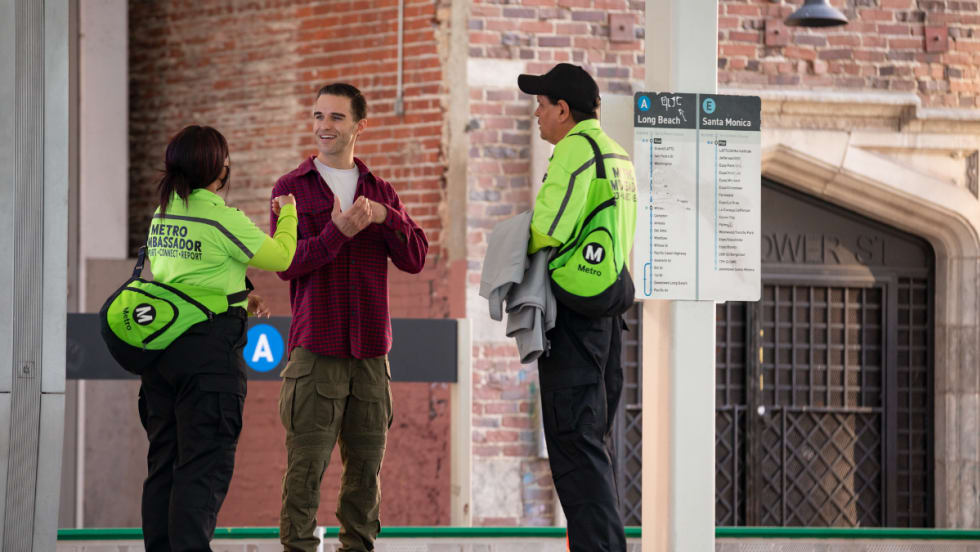
LA Metro Reports 57% Decline in Homelessness on Transit System Since 2024
The agency's latest homelessness count offers new data on how care-based services and cross-sector partnerships can complement traditional transit security strategies.
Read More →
FTA Launches 'Transit Moves America' Dashboard to Highlight Agency Safety and Performance
The online dashboard transforms National Transit Database information into a public-facing resource that allows users to compare transit agencies on key operational and safety metrics.
Read More →