



Schneider is APTA's Business Member of the Year
Michael Schneider, sr. VP and director, professional services for HDR Inc., was named APTA’s Business Member of the Year.



Michael Schneider was named APTA’s Outstanding Business Member for 2016. Schneider is Senior Vice President and Director of Professional Services for HDR Inc., serving as a member of the firm’s Executive Leadership Team. Prior to this appointment, he led the firm’s global strategic advisory practice and continues to serve as project director or principal technical advisor for a variety of transit, rail, highway and infrastructure engagements. Previously, after a 30-year stint with Parsons Brinckerhoff, Schneider co-founded and served as managing partner of InfraConsult LLC, an international consultancy providing advisory and management services, focused on the development and financing of infrastructure programs. In 2012, InfraConsult became a part of the HDR family.
Michael Schneider is a long-time member of the APTA Board of Directors and immediate past chair of the Committee on Public-Private Partnerships. He has been involved in numerous P3 and private sector infrastructure finance programs since the mid-1980s as an owner, developer and advisor, most recently as project director of the advisory team for the Los Angeles County Metropolitan Transportation Authority (LA Metro) Public-Private Partnership Program.
Schneider also directed the evaluation of alternative project delivery methods for the $10+ billion East Side Access Project in New York City. He managed high speed rail integration programs for the San Francisco Bay Area and Southern California region, served as advisor to teams developing business plans for both the Northeast Corridor and California High Speed Rail programs, evaluated alternative delivery methods for the $1.8 billion Mid Coast Corridor LRT Project in San Diego, and managed the assessment of prospective new toll crossings of the Mississippi River between Missouri and Illinois. Mike has worked extensively overseas as well, directing transit development programs in venues as diverse as Israel, Mexico and India.
Schneider’s career in the infrastructure field has spanned highway and toll road development, urban and intercity transit and rail, strategic planning for infrastructure investment, and financing programs and public-private partnerships for transit and highways. He directed the development of the first privately funded/financed toll road in the Western United States, SR 125 in San Diego. Schneider also advised the privately-financed E-470 Highway program in Colorado, and led the team responsible for development of a comprehensive public-private partnership approach for development of the multi-billion dollar toll highway program in Orange County, California. Earlier, Mike was involved in transit programs in Portland, Denver, Albuquerque, Sacramento, and many other communities. He is a frequent guest lecturer at academic institutions and speaker at industry conferences, and has authored more than 100 papers on topics ranging from funding and financing infrastructure to program management and industry leadership.
Schneider has long supported workforce development and diversity in the infrastructure industry. “One of the most rewarding events in my career was recent election to Board of Directors of the WTS International, whose mission is the advancement of women in transportation, a goal I’ve championed for decades,” Schneider said. He is also a recent recipient of a lifetime achievement award from the American Road and Transportation Builders Association (ARTBA) for industry leadership in the field of infrastructure finance.
Schneider is optimistic about the growth and future of public transportation. “In the last decade or so, we’ve seen a revival in the reliance upon transit. For decades, public transit was focused primarily on those without access to automobiles, but with many Millennials and families now living in revitalized urban communities, the use of transit by choice has grown dramatically. I think our societal direction for lifestyles that incorporate public transportation is expanding significantly, and I believe our industry is in a crescendo phase,” Schneider remarked.
More Management
Michael Schneider Joins Paslay Group to Expand Transportation Practice
The longtime transportation executive will help Paslay Group grow its advisory and program management work across transit, highway, and other infrastructure sectors.
Read More →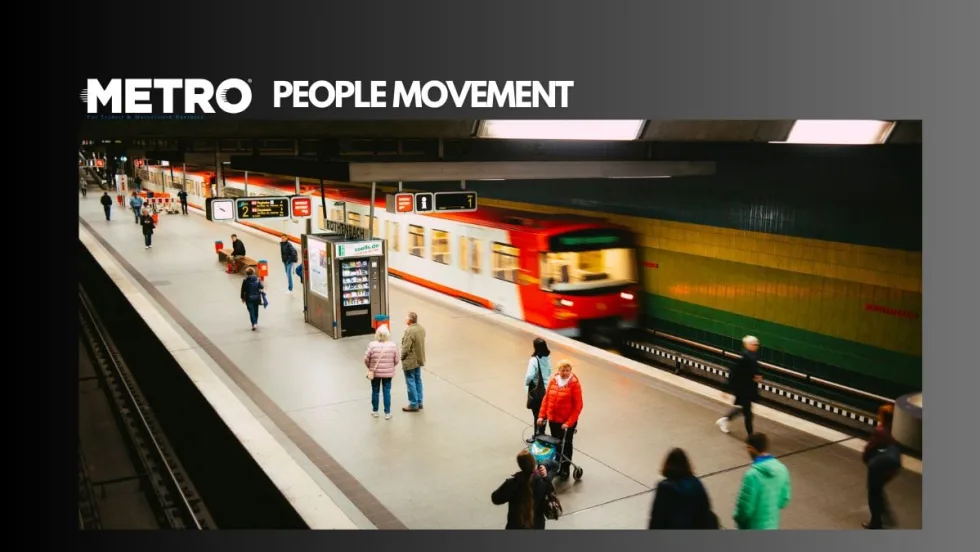
People Movement: Connectpoint Expands Leadership Team, Stadler Names New Group CEO, and More
In this edition, we also spotlight recent personnel moves at Burns, UZURV, and more, highlighting the people taking on new roles across the transportation industry.
Read More →
More Than a Summer Job: Building the Next Generation of Transit Talent
The Delaware River Port Authority and PATCO have transformed their internship program into a hands-on professional development experience that introduces students to the breadth of transportation careers — and creates a pipeline for future employees.
Read More →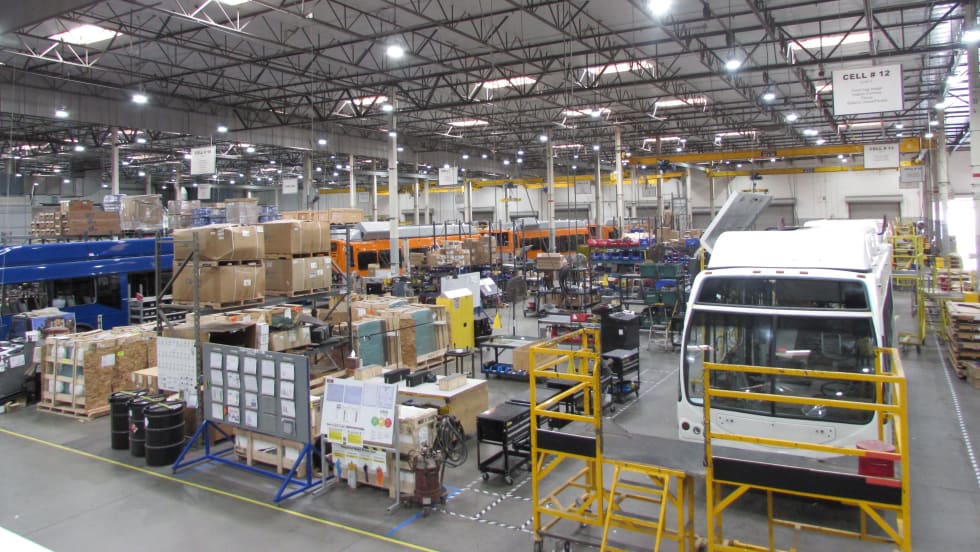
LA Metro Board Awards 220 Battery-Electric Bus Contract to ENC
The contract, which is the largest base award of battery-electric buses by a U.S. transit agency, will be built in Southern California, sustaining good jobs as LA prepares to welcome the world in 2028
Read More →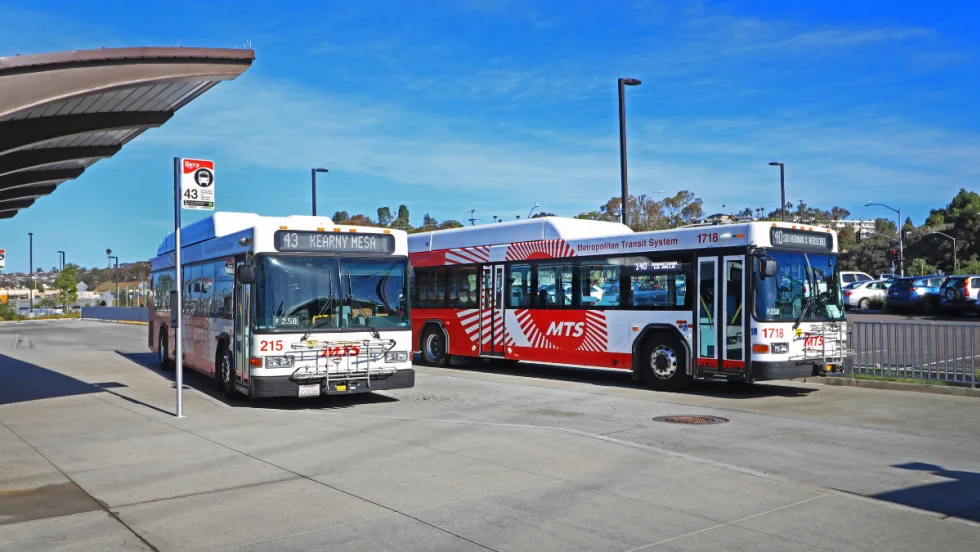
What’s Behind San Diego MTS’s Award-Winning Transit Strategy
Named one of APTA’s 2026 Outstanding Public Transportation Systems with 50 million or more annual passenger trips, California’s San Diego Metropolitan Transit System points to gains in ridership, safety, technology, and reliability as foundations of its success.
Read More →
Public Transit Conference Returning to GFX in 2027, Call for Papers Now Open
The Call for Papers is now open, allowing transit agency professionals and industry experts to help shape the PTC educational program by submitting session ideas for consideration.
Read More →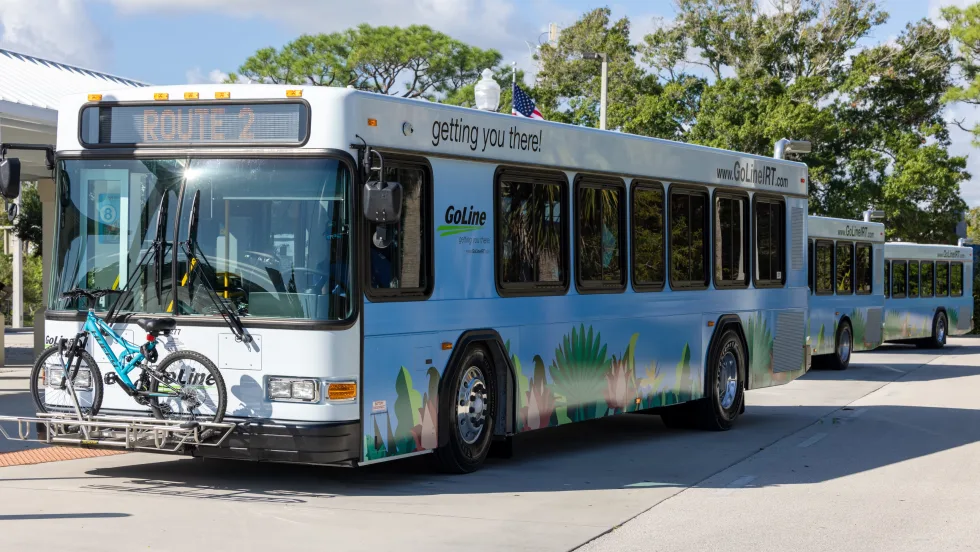
Indian River Transit’s Community-Focused Approach Earns National Recognition
Named APTA’s 2026 Outstanding Public Transportation System in its size category, Florida’s Indian River County transit system continues to grow ridership through fare-free service and a focus on evolving community needs.
Read More →
ENC Lands MATA Contract and More in Biz Briefs
In this edition of Biz Briefs, we spotlight the latest developments shaping the future of mobility.
Read More →
From Surviving to Thriving: Building Stronger Transportation Organizations
Bus Business Consultants founder Brian Dickson shares lessons on leadership, organizational health, and creating options for long-term success in a changing transportation industry.
Read More →
Everett Transit, Community Transit Outline Consolidation Agreement
The proposed agreement calls for a 50% increase in bus service in Everett, a new microtransit zone, continued paratransit service, and the transfer of Everett Transit operations to Community Transit.
Read More →