



Scientists use smartphones to measure train ride comfort
Information collected by the app would give railway companies instant feedback from passengers about their trains.

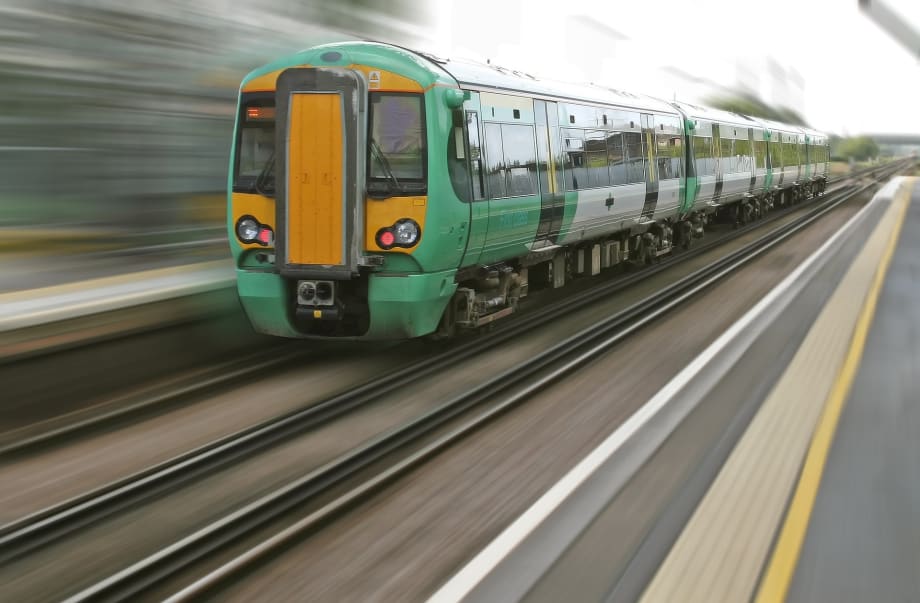
Passengers could soon be using their mobile phones to help rail companies around the globe improve the ride quality on their trains, thanks to new research.
Scientists at the University of Birmingham have developed a smartphone app that allows passengers to measure ride comfort themselves using their smartphones. Information collected by the app would give railway companies instant feedback from passengers about bumps, bangs and vibration on their trains.
The study is the first to use artificial neural networks to map data gathered from smartphones in order to evaluate ride quality. It reveals that accelerometers found in modern smartphones are good enough to be used in measuring ride comfort.
Dr. Sakdirat Kaewunruen, Senior Lecturer in Railway and Civil Engineering, said: “Making passengers feel comfortable aboard their trains is something many railway companies strive to do. With the advent of smartphones, passengers can potentially measure the ride comfort themselves.
“Our research opens the door for many opportunities, allowing passengers to provide instant feedback on the comfort of their journey and equipping railway companies with information they can use to further improve ride comfort for passengers.
“There is also potential for this technology to be used to detect track faults and indicate which sections of track are in need of maintenance, possibly saving on maintenance costs and improving the safety of the railway.”
The study was published in Frontiers in Built Environment. Researchers used a specially designed smartphone app to record vibration data from a train running on a test track, comparing the information gathered to a reference accelerometer.
Researchers discovered that the technology used in modern smartphones is more than good enough to measure ride comfort aboard trains. They noted that mobile technology develops at a high rate and future smartphones would have higher quality accelerometers than those used in the experiment.
Vibrations in trains can be caused by welding and rolling defects, rail joints, poor track alignments, and various defects or roughness in the track or wheel surfaces. The types of vibrations experienced on board trains are different from the ones experienced in road vehicles.
Adam Azzoug said: “The greatest challenge in using this type of technology is to persuade passengers themselves to implement it in their daily lives, but there are a number of ways around this issue.
“For example, rail companies might make it easier for passengers to use the app by linking it to Wi-Fi access on their trains or allowing passengers to give feedback on subjective causes of discomfort in trains such as smells and temperature.”
More Rail
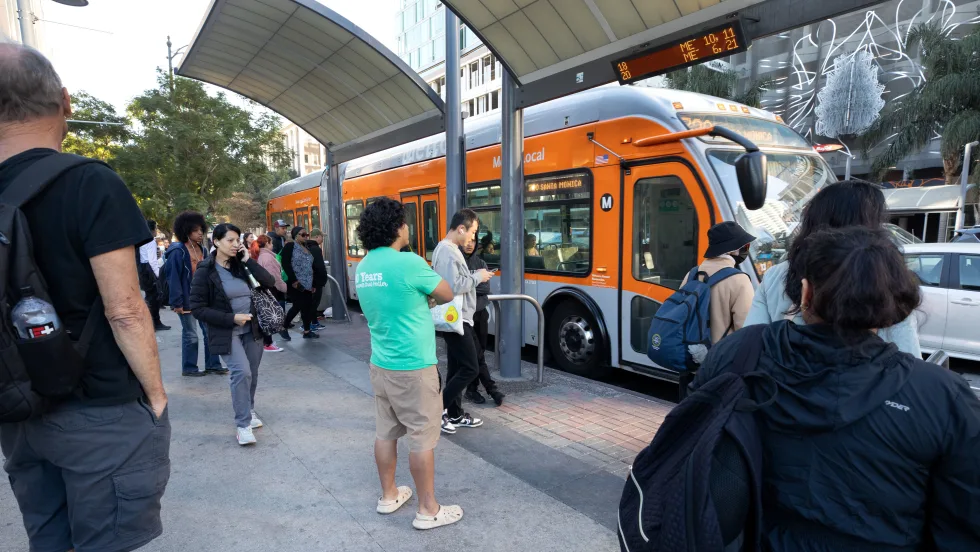
LA Metro September Ridership Climbs 3.9%, Led by Rail Growth
The agency recorded more than 27.2 million boardings, with rail ridership increasing 12.4% year over year and the D Line posting the largest gains.
Read More →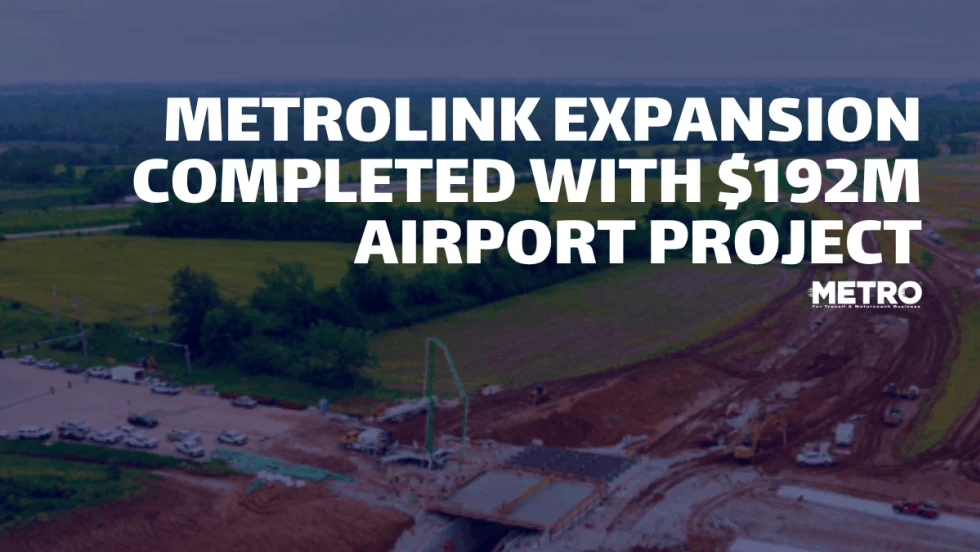
First Full MetroLink Rail Expansion Completed in 20 Years with $192M Airport Project
The project links two St. Louis-area airports by light rail while adding roadway and bike trail connections to improve regional access and mobility.
Read More →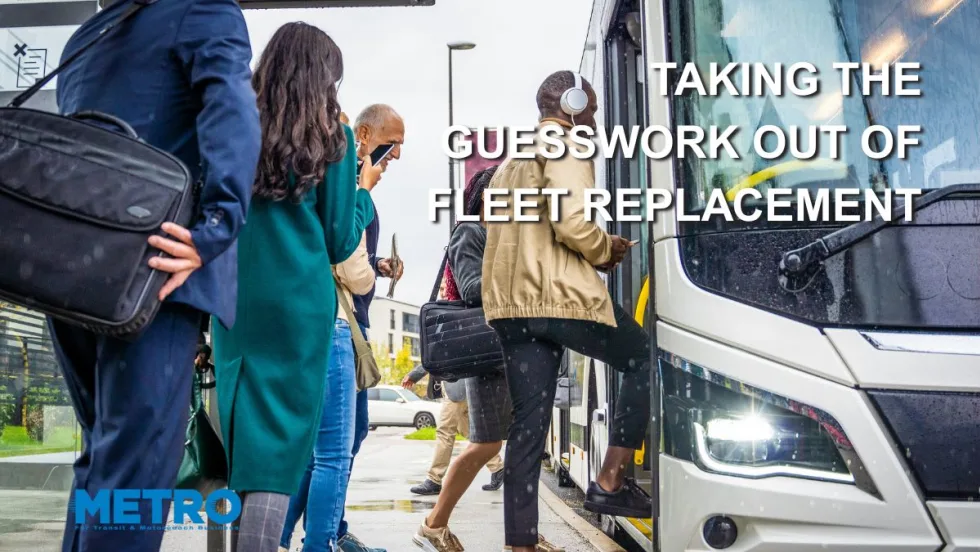
Utilimarc Launches SmartReplace to Optimize Fleet Replacement Decisions
AI-powered SmartReplace helps fleets prioritize vehicle replacements, model budget scenarios, and build more defensible long-term strategies.
Read More →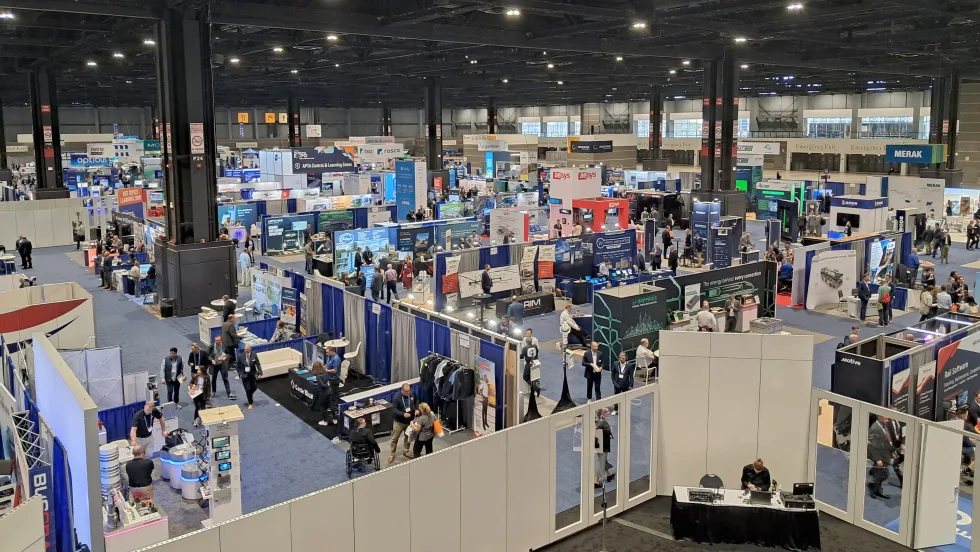
Scenes from APTA TRANSform & EXPO 2026
Transit leaders, manufacturers, and industry professionals gathered in Chicago to explore new technologies, share ideas, and discuss the future of public transportation.
Read More →
USDOT Awards $416 Million for Florida Rail Crossing Safety Upgrades, New Brightline Station
The projects aim to reduce risks for motorists and pedestrians at rail crossings while expanding passenger rail access along Florida’s Space Coast.
Read More →
OCTA Declares Emergency to Protect Rail Corridor From Coastal Erosion
The California agency is accelerating shoreline protection and plans to place approximately 690,000 cubic yards of sand along the San Clemente coast to protect a key passenger and freight rail link.
Read More →
More Than a Summer Job: Building the Next Generation of Transit Talent
The Delaware River Port Authority and PATCO have transformed their internship program into a hands-on professional development experience that introduces students to the breadth of transportation careers — and creates a pipeline for future employees.
Read More →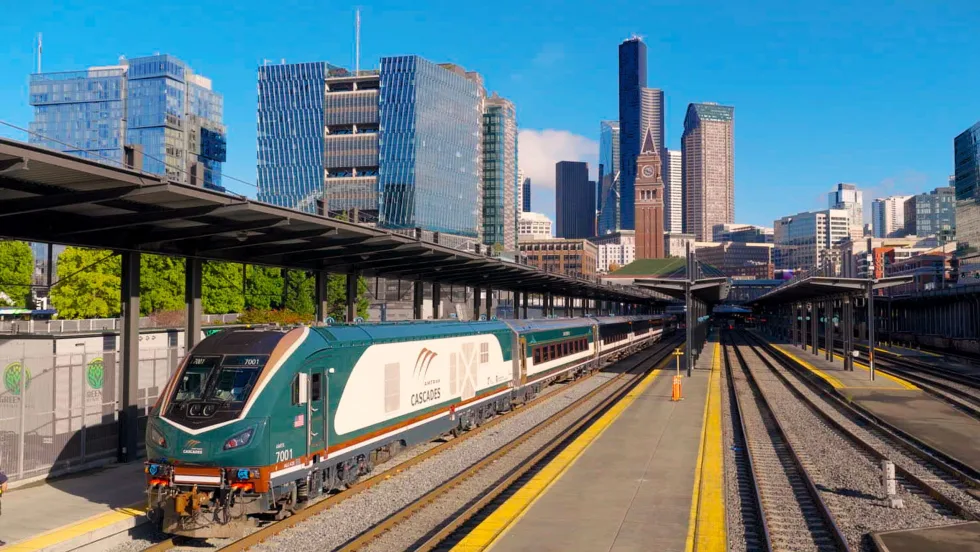
Airo Trains Make Their Amtrak Cascades Debut in the Pacific Northwest
Effective immediately, two cutting-edge Airo trainsets will join the Amtrak Cascades route, operating four daily trips between Vancouver, B.C., Seattle, Portland, and Eugene, Oregon, marking the first introduction of Airo trains into passenger service anywhere in the country.
Read More →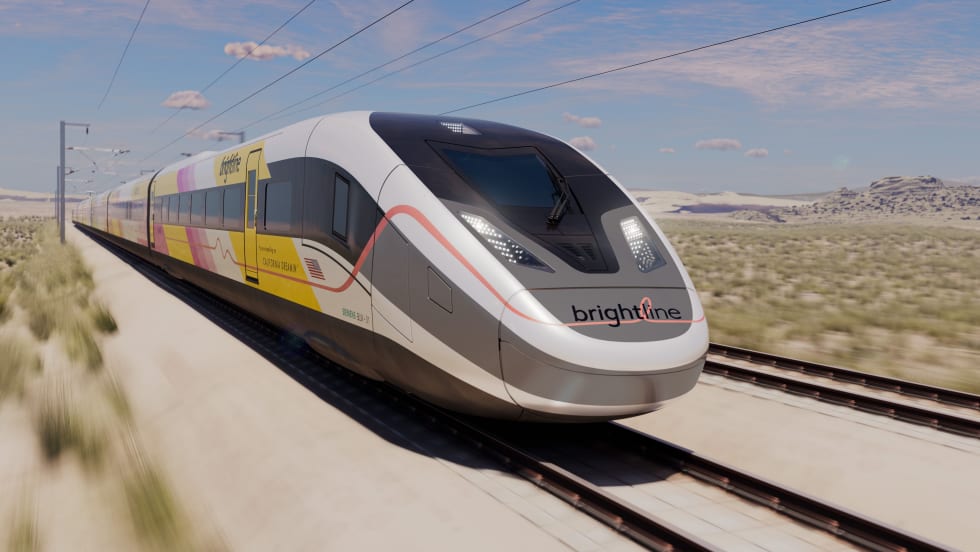
Florida's Brightline Announces Financial Restructuring
Brightline Florida says train operations will continue as normal as certain parent entities enter Chapter 11 and financial stakeholders provide $490 million in new long-term capital.
Read More →
ENC Lands MATA Contract and More in Biz Briefs
In this edition of Biz Briefs, we spotlight the latest developments shaping the future of mobility.
Read More →