



SEPTA Board Approves FY2027 Budget Amid Funding Challenges
The spending plan represents an increase of just 1.9% over the current year and includes investments in new buses, additional full-length fare gates, and other customer enhancements.


Thanks to ongoing austerity measures, SEPTA has realized close to $30 million in annual savings, in addition to increased income from advertising, parking, and investments.
SEPTA
- SEPTA Board approves the FY2027 budget, noting a 1.9% increase over the previous year.
- The budget allocates funds for new buses and full-length fare gates.
- Customer enhancements are prioritized in the new spending plan.
*Summarized by AI
The board at Philadelphia’s SEPTA approved a total budget of $2.7 billion for Fiscal Year 2027 — a $1.84 billion Operating Budget and $920.7 million Capital Budget.
The spending plan represents an increase of just 1.9% over the current year and includes investments in new buses, additional full-length fare gates, and other customer enhancements.
No Impact to Service, Fares
SEPTA officials said there will be no changes to service levels or fares.
The operating budget reflects the second and final year of the $394 million in capital funds that PennDOT transferred to support operations. Without a long-term funding solution at the state level in the coming year, SEPTA said its future remains uncertain.
“SEPTA continues to demonstrate meaningful progress in safety, reliability, cleanliness, ridership recovery and fiscal discipline,” said SEPTA Board Chair Kenneth E. Lawrence Jr. “The budget we approved today reflects SEPTA’s ability to be good stewards of taxpayer dollars and worthy of stable, dedicated funding.”
Thanks to ongoing austerity measures, SEPTA has realized close to $30 million in annual savings, in addition to increased income from advertising, parking, and investments. These efforts have reduced SEPTA’s structural budget deficit from $213 million to $192 million.
The budget also includes the required local match on state funding from the City of Philadelphia and Bucks, Chester, Delaware, and Montgomery Counties.
Additionally, the City’s Fiscal Year 2027 budget, passed earlier this month, maintains funding for two important initiatives — the City’s Zero Fare program for low-income Philadelphians and continued participation in SEPTA Key Advantage.
“We are grateful to Mayor Parker and Philadelphia City Council for strengthening these unique partnerships,” said SEPTA GM Scott A. Sauer. “The progress we have made over the past year demonstrates how SEPTA is delivering for its riders and the communities we serve, and this budget creates the foundation for SEPTA’s future.”
SEPTA’s 12-Year Capital Program
The 12-year Capital Program allocates funds to advance critical infrastructure and vehicle-replacement investments, including Trolley Modernization, the purchase of new L cars, and station accessibility projects.
SEPTA can also restart its bus fleet replacement in Fiscal Year 2027, thanks to a lower structural deficit.
However, this Capital Program relies heavily on debt to fund critical railcar replacements, with a plan to borrow $4.3 billion over 12 years. The debt-heavy program lacks the capacity to fully fund the replacement of the B cars, which are approaching 50 years old.
Meanwhile, SEPTA’s state-of-good-repair backlog has doubled over the past decade to $10.2 billion, undermining system reliability and driving up future repair costs. SEPTA’s Capital Budget remains between one-third and one-half of the capital funding provided to peer transit agencies.
Five-Year Strategic Plan
SEPTA’s board also approved the Authority’s Five-Year Strategic Plan — a roadmap for how SEPTA moves from back-to-basics to best-in-class — defining the goals, actions, and performance indicators that will guide SEPTA’s work and investments over the next five years.
The plan builds on real progress. Ridership has grown for four consecutive years. Serious crime has fallen to its lowest level in a decade. Missed bus trips have dropped by nearly half. The Authority is also in the midst of the largest fleet modernization in a generation. SEPTA’s Five-Year Strategic Plan sets a clear direction for what comes next.
Quick Answers
The FY2027 budget represents an increase of 1.9% over the current year.
*Summarized by AI
More Management
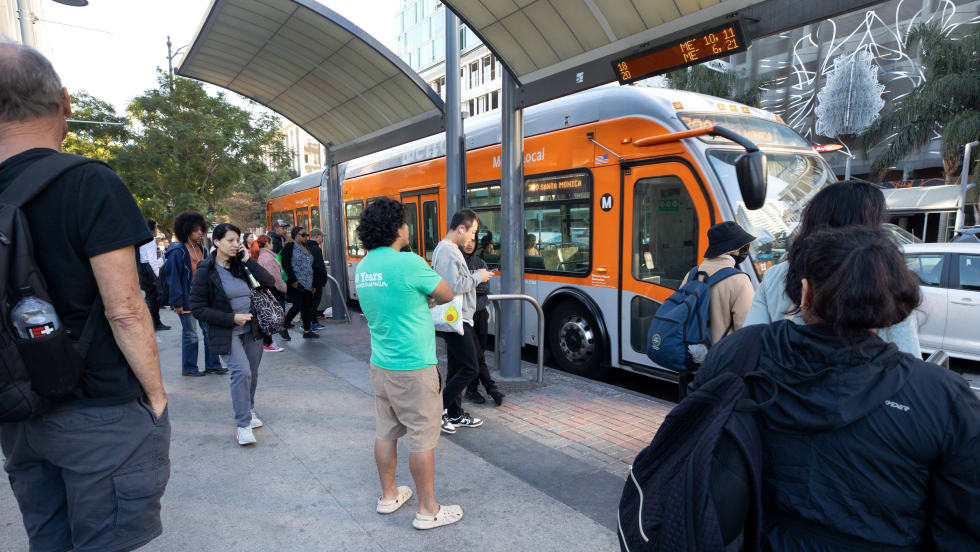
LA Metro Ridership Continues Growth as Rail Gains Accelerate
New rail connections and major events help drive continued ridership gains, with Metro recording its eighth consecutive month of year-over-year rail growth.
Read More →
TransDASH Summit Focuses on Measuring What Matters in Transit
Transit agencies unveil a national performance platform designed to benchmark customer experience, safety, community value, and other outcomes.
Read More →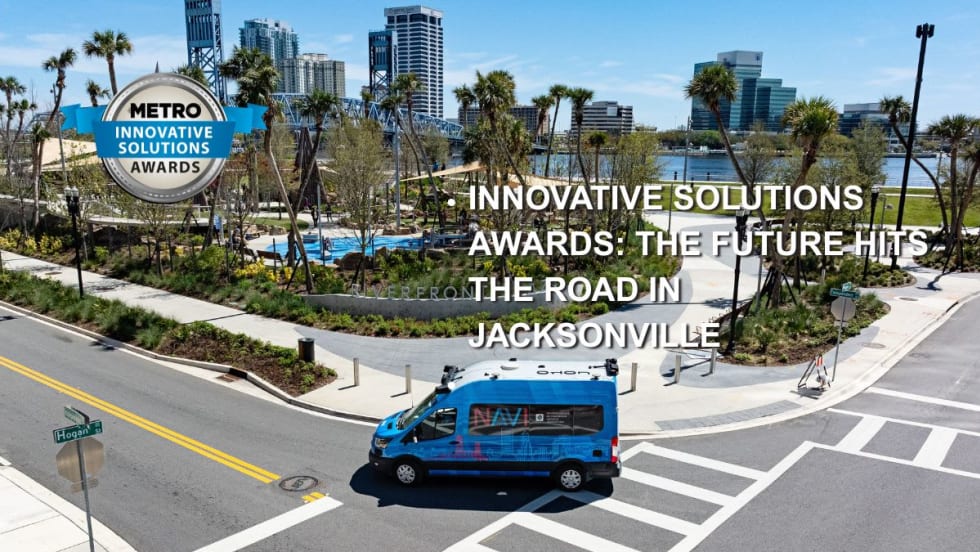
Jacksonville’s NAVI Project Charts a New Course for Autonomous Public Transportation
Through its NAVI program, JTA is showing how autonomous vehicles, intelligent infrastructure, and coordinated operations can work together to deliver everyday public transportation.
Read More →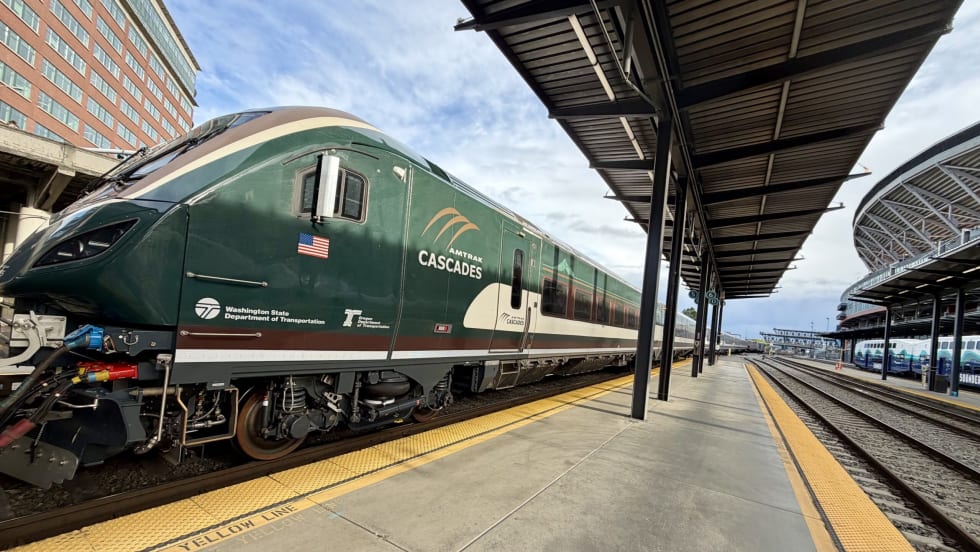
FRA Announces $5.3B in Rail Investments, Including $2B for Amtrak
Funding will support grade-crossing improvements, infrastructure upgrades, and new Amtrak equipment in 23 states.
Read More →
Finding the ‘Happy Medium’: Optimizing Maintenance Without Sacrificing Reliability
The key to maintenance optimization isn’t doing less work—it’s doing the right work at the right time on the right assets.
Read More →
People Movement: MARTA Drops Interim Tag on GM/CEO Hunt and More
In this edition, METRO covers recent appointments and announcements at the FMCSA, HDR, SilverRide, and more, showcasing the individuals helping to shape the future of transportation.
Read More →
VIA Metropolitan Transit Reports 2 Million More Passenger Trips as Better Bus Plan Gains Momentum
San Antonio's transit agency said accelerated service improvements are driving ridership growth, offering another example of how increased frequency and workforce investments can translate into stronger transit performance.
Read More →
ABAF Study Reveals Growing Insurance Crisis for Motorcoach Operators
Preliminary findings show 98% of operators faced premium increases over the past five years, while shrinking insurer participation is putting added pressure on businesses and customers.
Read More →
PSTA Modernizes Workforce Management with Digital Bidding System
The award-winning Workforce Transit Modernization project replaced paper bidding with a transparent digital platform, cutting administrative effort while improving access for operators.
Read More →
Chicago to Host Public Transportation's Biggest Gathering at APTA TRANSform & EXPO 2026
North America’s largest public transportation gathering returns to Chicago, connecting transit decision-makers with the technologies, ideas, and partnerships driving the industry forward.
Read More →