




ICYMI: OCTA Releases 2025 Next 10 Plan to Accelerate Transportation Improvements Through 2035
OCTA Extends Senior Mobility Program Agreements Through 2031
The Measure M-funded program has provided nearly 3.5 million trips and will continue helping thousands of older adults maintain independence and access essential services.
June 24, 2026
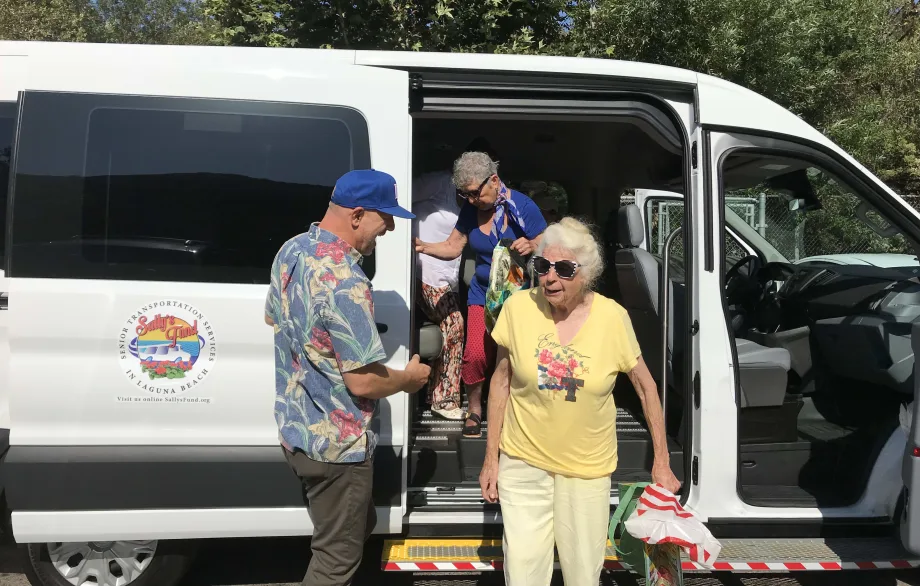
The Senior Mobility Program is one of several transportation programs funded through Measure M that support the mobility needs of Orange County residents.
Credit:
OCTA
2 min to read
The Orange County Transportation Authority (OCTA) Board of Directors has approved the latest five-year extension of agreements with 32 Orange County cities and three nonprofit organizations that provide transportation services for older adults through OCTA’s Senior Mobility Program, which serves thousands of seniors and helps them reach essential destinations every day.
Funded through Measure M, Orange County’s half-cent sales tax for transportation improvements, the Senior Mobility Program helps older adults maintain their independence and quality of life by providing transportation options tailored to their needs.
Through the program, participating cities and nonprofit agencies offer rides to medical appointments, grocery stores, senior centers, and social and recreational activities, among other destinations. These services help seniors remain active, stay connected to their communities, and access essential destinations.
“The Senior Mobility Program is a lifeline for many older adults across Orange County,” said OCTA Chair Jamey M. Federico. “By continuing these partnerships, OCTA is helping ensure seniors can get to medical appointments, stay connected with family and friends, access employment opportunities, and remain active members of their communities. This essential Measure M-funded program reflects our commitment to improving the lives of Orange County residents of all ages.”
The board action authorizes OCTA to extend cooperative agreements with participating agencies for an additional five years, through June 30, 2031, when the contracts will be up for renewal again.
OCTA’s Senior Mobility Program and Other Services
The Senior Mobility Program is one of several transportation programs funded through Measure M that support the mobility needs of Orange County residents. Under the city-based program model, OCTA distributes funding to participating cities based on the number of residents aged 60 and older. Cities use those funds, along with a required local funding match, to operate transportation services designed specifically for seniors.
In addition to city-operated services, OCTA supports transportation programs run by three nonprofit organizations: Abrazar Inc., the Korean American Senior Association of Orange County, and Southland Integrated Services, Inc. These organizations provide transportation across multiple jurisdictions, helping fill service gaps where transportation options may otherwise be limited.
Together, the three nonprofit agencies provided nearly 12,500 trips during fiscal year 2024-25 and continue to see growing demand for their services. In all, the senior mobility program provided more than 286,000 trips during that same period and has provided nearly 3.5 million trips across Orange County since it began.
More Management
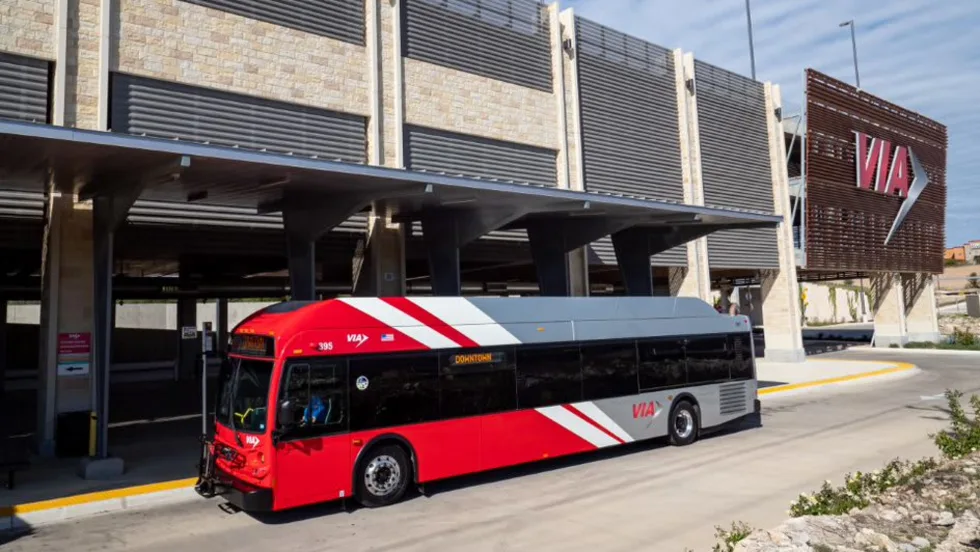
VIA, MBTA Reach Pre-Pandemic Ridership Milestones as Transit Use Climbs
VIA surpasses three million monthly trips for the first time since 2020, while the MBTA tops one million average weekday trips as both agencies report continued ridership growth.

People Movement: Metrolink's Kettle Announces Retirement, Feakins to CEO at UZURV, and More
In this edition, we also cover recent appointments and announcements at King County Metro, SilverRide, and more, showcasing the individuals helping to shape the future of transportation.

How Gen Z's Changing Mobility Habits Are Reshaping Public Transit
As younger generations embrace multimodal mobility over private vehicles, transit agencies can rethink station design, the passenger experience, and public transportation's role in building connected communities.

Amtrak Expands Airo Fleet with Eight Higher-Capacity Trainsets
The new 10-car trains, expected to enter service in 2031, will provide about 34% more seating capacity to meet growing demand on the Northeast Corridor.

APTA Urges FTA to Withdraw Proposed Capital Investment Grants Guidance
The association warns that proposed changes could delay transit projects, reduce federal funding, and create new hurdles for 47 projects currently in the CIG pipeline.

Amtrak, NJ TRANSIT Launch Full Service on New Portal North Bridge
The completion of the two-track bridge over the Hackensack River eliminates a longstanding source of delays for NJ TRANSIT and Amtrak customers. It marks a major milestone for the Gateway Program.
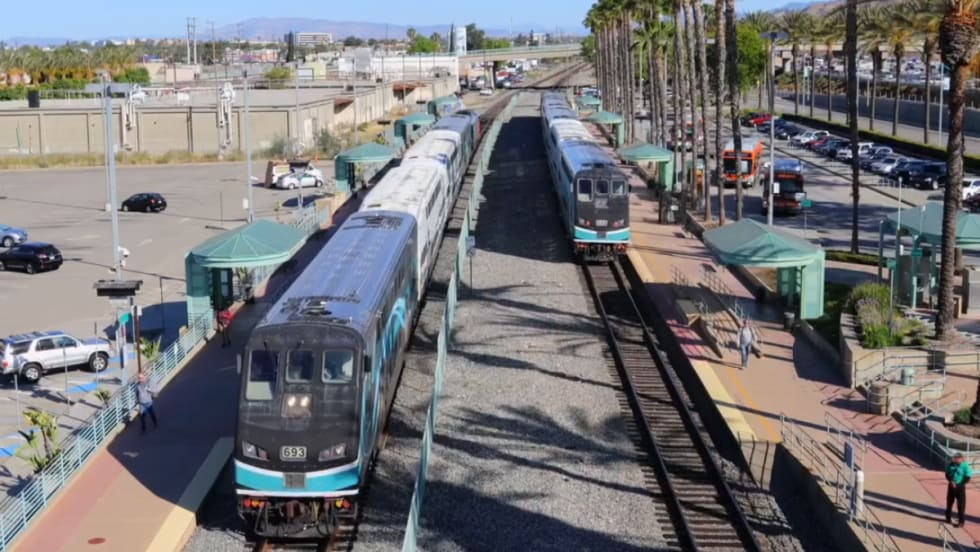
Southern California’s Metrolink Approves $508.8M Budget, Avoids Service Cuts
A $20 million state allocation allows the regional rail agency to maintain existing weekday and weekend service through fiscal year 2028, although longer-term funding challenges remain.
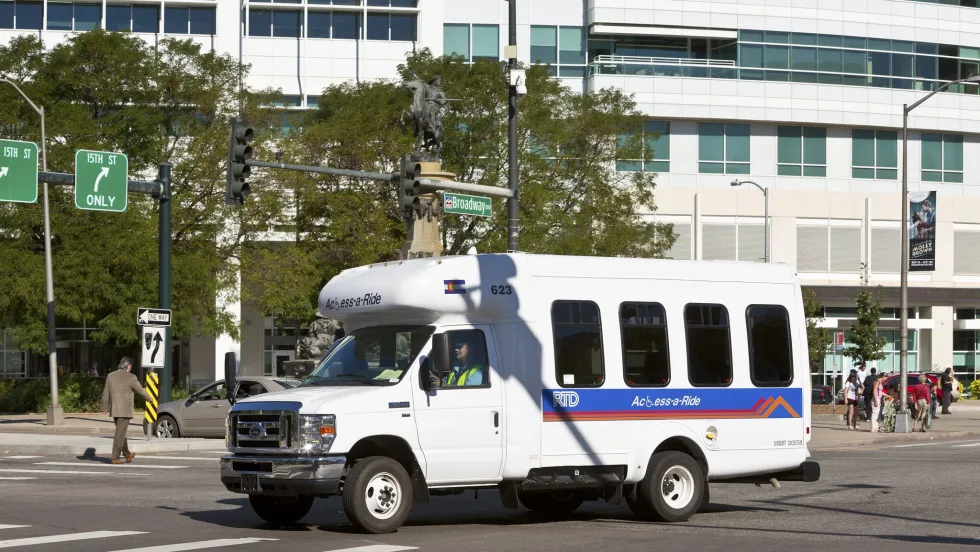
Denver RTD Committee to Review Paratransit Services, Improve Accessibility
The committee will oversee an independent study of paratransit operations, gather customer feedback, and recommend improvements to service reliability, accessibility, and accountability.
Castro to Lead RTC of Southern Nevada and More in People Movement
In this edition, we also cover recent appointments and announcements at the STV, MCI, and more, showcasing the individuals helping to shape the future of transportation.
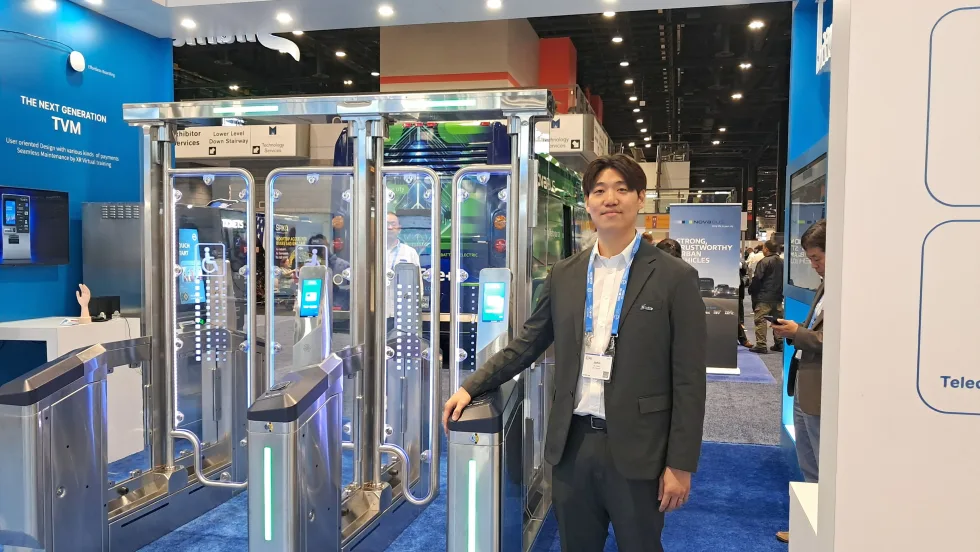
STraffic Expands North American Presence with Fare Collection Technology
John Moon, Associate Director, Product Strategy at STraffic, discusses the company's growth in North America, its efforts to reduce fare evasion, and more.