



SEPTA captures regenerative braking energy from trains
When SEPTA's trains brake at each stop to load and unload thousands of Pennsylvania passengers, the kinetic energy of the train is converted into electricity. The agency will capture the regenerative braking energy of trains through a large-scale battery storage system and will deploy that energy as virtual power into the region's supplier of wholesale power frequency regulation and energy markets.

The Southeastern Pennsylvania Transportation Authority (SEPTA) unveiled its ground-breaking recycled energy and optimization project that captures the braking energy of its trains on the Market-Frankford Line and will integrate that power into the regional electric grid.
When SEPTA's trains brake at each stop to load and unload thousands of Pennsylvania passengers, the kinetic energy of the train is converted into electricity. But like many transit agencies across the country, without a method to capture that excess electricity, it could not be stored and used at a later time. Energy storage has proven to be a solution for capturing regenerative braking to provide supply savings. It has also been proven that energy storage can provide support to the electric grid through the frequency regulation market.
SEPTA will capture the regenerative braking energy of trains through a large-scale battery storage system and will deploy that energy as virtual power into PJM's wholesale power frequency regulation and energy markets.
"Through this pilot project, SEPTA will become even more energy efficient, which will help control operating costs — benefiting both customers and taxpayers. We've made our system cleaner, greener and more efficient in recent years — things like replacing traditional diesel buses with diesel-electric hybrids and installing energy-efficient lighting at stations, facilities and offices," said Joe Casey, GM at SEPTA. "These measures are helping us control costs in tough economic conditions — and making us a better neighbor in the communities we serve."
SEPTA launched the pilot project in partnership with Viridity Energy, a smart grid technology firm that specializes in electric market integration.
Saft was selected to provide the design, manufacturing and commissioning of its Intensium Max20 P System, a battery energy storage system (ESS).
Envitech Energy, a member of the ABB group, was selected to provide power controls, power conversion and system integration using its ENVISTORETM System. With these partner technologies and Viridity Energy's VPower software optimization system, the train's regenerative braking energy is being transformed into virtual power that will provide significant energy savings and new energy revenue to support SEPTA's progressive sustainability goals.
The VPower optimizer enables the simultaneous process of regenerative capture, regulation performance and energy market participation by selecting which market to participate in based upon market pricing, battery state of charge and availability of regenerative energy from the trains.
Saft lithium-ion battery technology supplies megawatt level energy storage for the project. Saft, a leader in advanced technology batteries, has provided the project with one of the first dual-purpose trackside Energy Storage Systems in the U.S.
The launch of this project was funded in part through a 2010 Pennsylvania Energy Development Authority grant program as well as support from Ben Franklin Technology Partners.
RELATED ARTICLE: Read how "Green Projects Help Transit Be More Sustainable Off the Road," from our April issue.
More Rail

New York MTA Launches Historic $1.9B Signal, Track Modernization Project
Funded in part by congestion pricing revenue, the project will replace nearly century-old signals along the A and C lines in Brooklyn and Queens.
Read More →
LA Metro Breaks Ground on East San Fernando Valley Light Rail Project
The 6.7-mile line will add 11 stations along Van Nuys Boulevard, expand access to jobs and regional transit connections, and support Metro’s broader efforts to improve mobility as rail ridership grows.
Read More →
CSA Group Releases Climate Resilience Standard for Transit, Passenger Rail
Developed with support from the Standards Council of Canada, CSA D700 guides assessing climate-related risks and planning adaptation measures for transit and passenger rail systems.
Read More →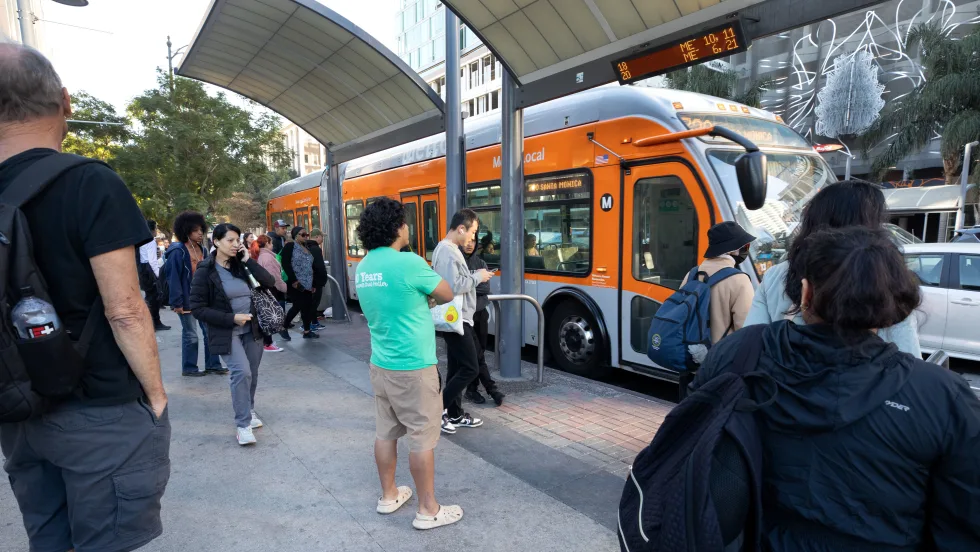
LA Metro September Ridership Climbs 3.9%, Led by Rail Growth
The agency recorded more than 27.2 million boardings, with rail ridership increasing 12.4% year over year and the D Line posting the largest gains.
Read More →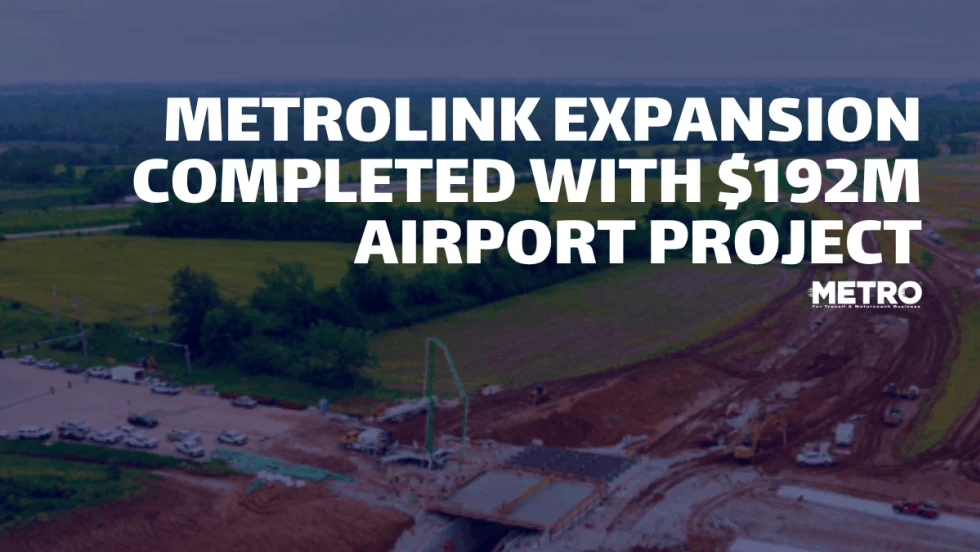
First Full MetroLink Rail Expansion Completed in 20 Years with $192M Airport Project
The project links two St. Louis-area airports by light rail while adding roadway and bike trail connections to improve regional access and mobility.
Read More →
Utilimarc Launches SmartReplace to Optimize Fleet Replacement Decisions
AI-powered SmartReplace helps fleets prioritize vehicle replacements, model budget scenarios, and build more defensible long-term strategies.
Read More →
Scenes from APTA TRANSform & EXPO 2026
Transit leaders, manufacturers, and industry professionals gathered in Chicago to explore new technologies, share ideas, and discuss the future of public transportation.
Read More →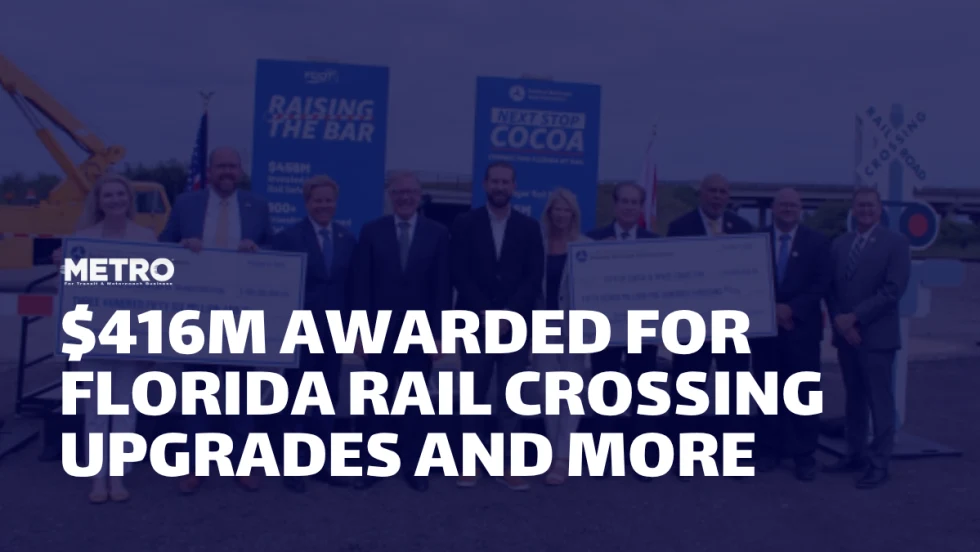
USDOT Awards $416 Million for Florida Rail Crossing Safety Upgrades, New Brightline Station
The projects aim to reduce risks for motorists and pedestrians at rail crossings while expanding passenger rail access along Florida’s Space Coast.
Read More →
OCTA Declares Emergency to Protect Rail Corridor From Coastal Erosion
The California agency is accelerating shoreline protection and plans to place approximately 690,000 cubic yards of sand along the San Clemente coast to protect a key passenger and freight rail link.
Read More →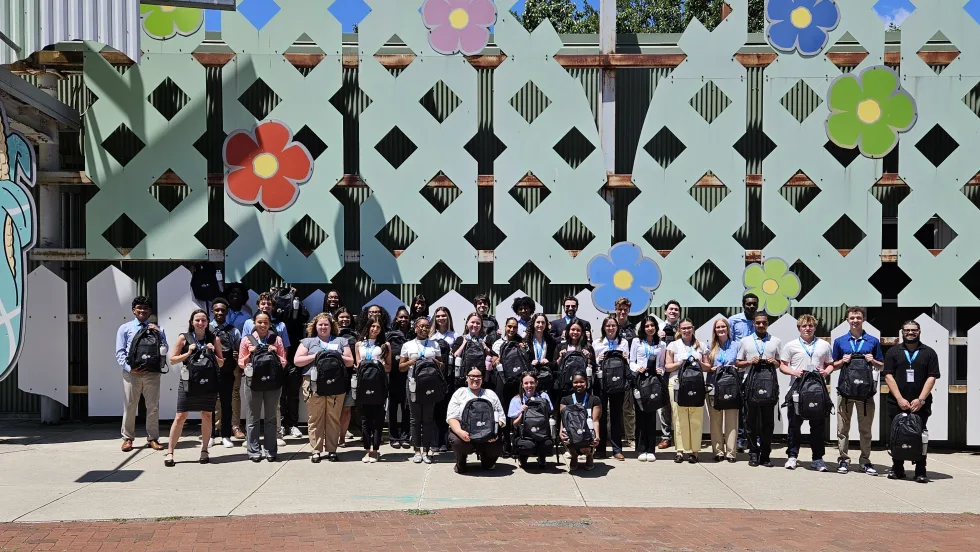
More Than a Summer Job: Building the Next Generation of Transit Talent
The Delaware River Port Authority and PATCO have transformed their internship program into a hands-on professional development experience that introduces students to the breadth of transportation careers — and creates a pipeline for future employees.
Read More →